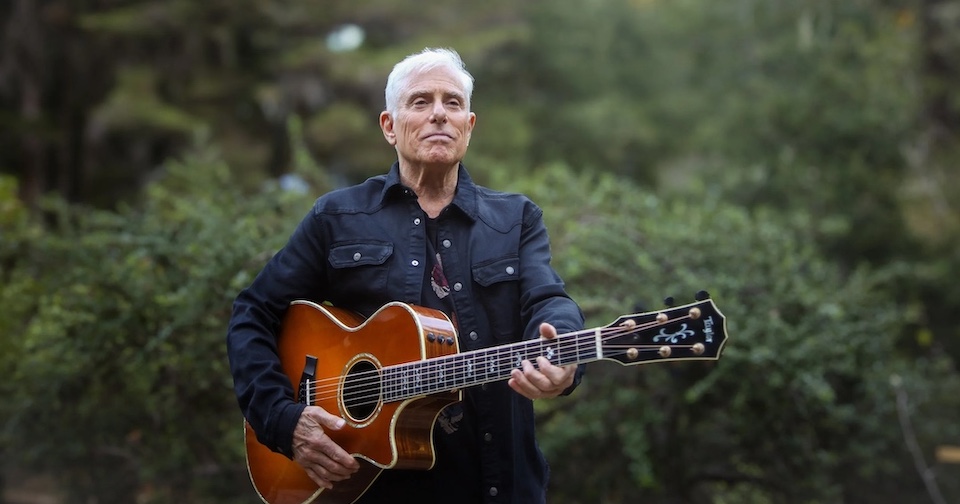
Jai Uttal's assertion, "This is what music does," invites us to explore the profound impact that music can have on our lives and consciousness. In a world often characterized by chaos and distraction, music emerges as a powerful force that can ground us, elevate our spirits, and connect us to deeper truths. This statement is not merely an observation; it is an invitation to recognize the transformative potential of sound and rhythm in shaping our reality and experience.
As we delve into the essence of this quote, we are reminded that music is not just an art form but a spiritual practice that can lead to profound states of awareness and connection. In the context of kirtan, a devotional practice rooted in the traditions of bhakti, music becomes a vehicle for expressing love, devotion, and surrender. This exploration of music's role in our lives is essential, as it encourages us to consider how we engage with sound and how it influences our emotional and spiritual landscapes.
The image / the metaphor
At its core, Uttal's quote encapsulates the essence of music as a dynamic force. The phrase "this is what music does" suggests an active engagement, as if music is a living entity with the power to shape our perceptions and experiences. The use of the verb "does" implies action and effect, inviting us to consider the tangible ways in which music can alter our emotional states, foster connection, and even facilitate healing. It evokes a sense of immediacy, urging us to recognize the present moment's vibrational qualities and how they resonate within us.
Delving deeper into the metaphor, we can see that music serves as a bridge between the mundane and the sacred. It transcends language and cultural barriers, allowing us to tap into a universal experience of being human. In this way, music becomes a metaphor for the interconnectedness of all beings, reflecting the idea that we are all part of a larger symphony of existence. Just as individual notes come together to create a harmonious melody, our unique experiences and emotions contribute to the rich tapestry of life.
In the speaker's tradition
Jai Uttal's work is deeply rooted in the tradition of kirtan, a form of devotional singing that emphasizes the practice of bhakti, or love and devotion to the divine. In this context, music is not merely entertainment; it is a sacred practice that facilitates a connection to the divine and to one another. The concept of dharma, or one's duty and path in life, is also relevant here, as engaging with music can help individuals align with their true purpose and express their authentic selves. Through the act of singing and chanting, practitioners enter a state of kenosis, or self-emptying, allowing the divine presence to flow through them.
Furthermore, the teachings of sunyata, or emptiness, resonate with Uttal's assertion. In kirtan, the experience of singing together can lead to a dissolution of the ego, creating a space where individuals can experience a sense of unity and oneness. This is echoed in the ancient texts of the Bhagavad Gita, where the importance of devotion and surrender is emphasized. The Gita teaches that through devotion, one can transcend the limitations of the self and experience the divine presence in all aspects of life.
Living the teaching
Consider a modern scenario where this teaching resonates: a community gathering where people come together to share music and stories. In such a space, the act of singing can dissolve barriers and foster a sense of belonging. Participants may find themselves moved by the collective energy, experiencing moments of joy, vulnerability, and connection. This illustrates how music can serve as a catalyst for transformation, allowing individuals to step outside their everyday concerns and engage with something greater than themselves.
In a more personal context, think about a challenging moment in a relationship where words may fail to convey the depth of emotion. Here, music can play a healing role, providing a soundtrack to the experience that allows for expression beyond language. A shared song can evoke memories, feelings, and a sense of intimacy that words alone cannot achieve. In these moments, music becomes a bridge, facilitating understanding and connection, reminding us of our shared humanity.
A reflection
As we contemplate Jai Uttal's assertion, we are invited to reflect on our own relationship with music. How does music shape your reality? In what ways does it connect you to yourself and to others? Consider the moments when music has moved you, transformed your mood, or deepened your understanding of a situation. Allow this reflection to guide you in exploring the sacredness of sound in your life, and how you might cultivate a deeper appreciation for the music that surrounds you.