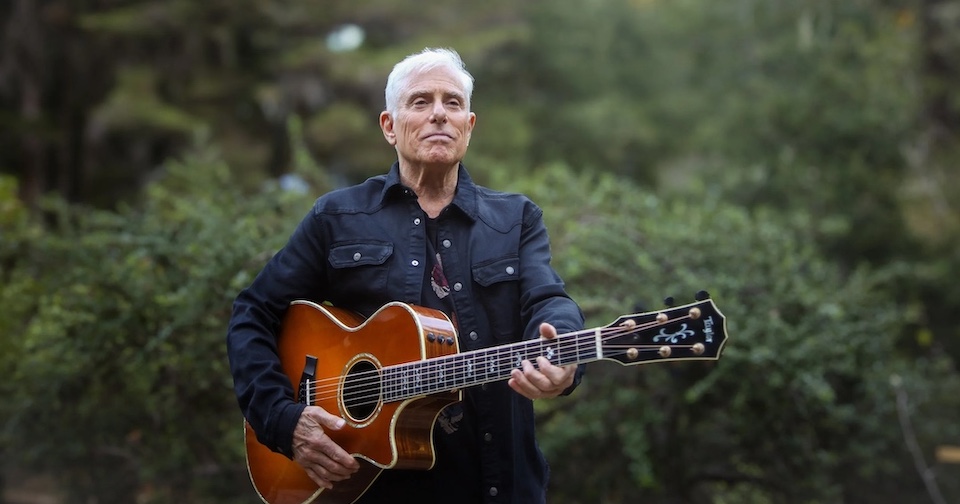
"You came here to sing." This simple yet profound statement by Jai Uttal invites us to reflect on the essence of our existence and the unique contributions we are meant to make in the world. It suggests that life is not merely a series of tasks to be completed but a vibrant expression of our inner selves. In a society often preoccupied with productivity and achievement, this reminder to "sing" serves as a call to reconnect with our authentic voices and passions, urging us to embrace our true vocations.
To "sing" in this context transcends the literal act of vocal expression; it embodies the idea of living fully and joyfully in alignment with our deepest values and aspirations. This quote resonates with the notion that each individual possesses a unique melody, a distinct purpose that contributes to the greater harmony of life. By acknowledging and nurturing this inner song, we not only enrich our own lives but also inspire those around us to do the same, creating a collective symphony of authenticity and love.
The image / the metaphor
The imagery of singing evokes a sense of freedom, joy, and creativity. When we think of singing, we often envision an uninhibited expression of emotion, a release of pent-up feelings, and a connection to something greater than ourselves. The verb "came" implies a journey, suggesting that our arrival in this world is purposeful and intentional. It invites us to consider the idea that we are not merely existing but are here to actively participate in the unfolding of life through our unique contributions.
Diving deeper into the metaphor, singing can be seen as a representation of our life’s work, our passions, and our relationships. Just as a song is composed of various notes that come together to create harmony, our lives are made up of experiences, choices, and connections that shape our individual and collective narratives. To sing is to express our truth, to share our gifts, and to engage with the world in a way that resonates with our authentic selves. It is an invitation to embrace vulnerability and to allow our voices to be heard, both in moments of joy and in times of sorrow.
In the speaker's tradition
Jai Uttal's teachings are deeply rooted in the tradition of kirtan, a devotional practice that emphasizes the importance of expressing love and devotion through music and song. Central to this tradition is the concept of bhakti, or devotion, which encourages practitioners to cultivate a heartfelt connection with the divine. In this context, singing becomes a form of worship, a way to transcend the ego and connect with something greater than oneself. The act of singing is not just about personal expression; it is also about surrendering to the flow of life and allowing oneself to be a vessel for divine energy.
Living the teaching
Consider a modern scenario where this teaching might resonate: a young professional feeling trapped in a corporate job that stifles their creativity. Despite the security and prestige associated with their position, they feel a persistent longing to pursue a career in the arts, a field that allows them to express their inner song. By embracing the idea that they "came here to sing," they may find the courage to take a leap of faith, leaving behind the familiar to pursue their passion. This journey may not be easy, but it is a testament to the transformative power of aligning one's life with their true vocation.
In relationships, the teaching can manifest in the way we communicate and connect with others. Imagine a couple facing a difficult moment, where misunderstandings and unspoken feelings create tension. By choosing to "sing" in this context—by expressing their truths openly and vulnerably—they can bridge the gap between them. This act of sharing their authentic selves not only deepens their connection but also fosters an environment of trust and understanding, allowing their relationship to flourish in harmony.
A reflection
As we contemplate Jai Uttal's profound statement, we are invited to ask ourselves: What does it mean for me to "sing" in my life? In what ways can I express my authentic self and contribute to the world around me? This reflection encourages us to explore our passions, our relationships, and our unique gifts, reminding us that our voices matter and that we are here to create a melody that is distinctly our own.