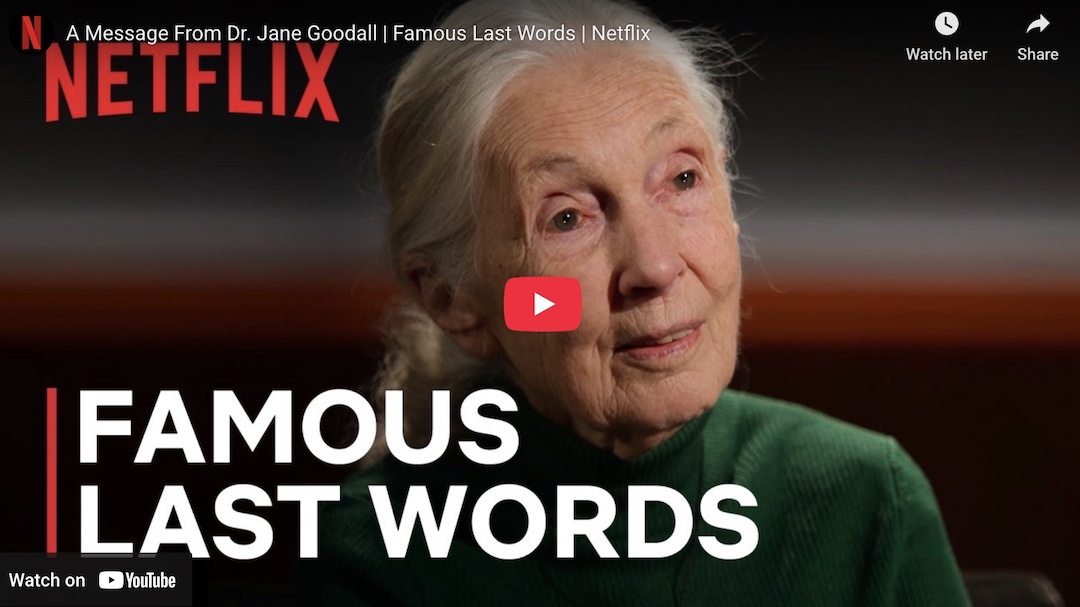
Jane Goodall's declaration, "I'm not going to give up. I cannot give up," resonates deeply within the human experience of perseverance and resolve. In a world often marked by challenges and setbacks, her words serve as a powerful reminder of the strength found in unwavering commitment. This sentiment is not merely a personal mantra; it reflects a broader call to action, urging us to engage with the world around us and to persist in our efforts, no matter how daunting the circumstances may seem.
Goodall's insistence on not giving up speaks to a profound understanding of the interconnectedness of life and the responsibilities we bear toward it. Her journey as a primatologist and conservationist exemplifies a life dedicated to understanding and protecting the natural world. This quote encapsulates the essence of her life's work, emphasizing that true commitment is not just about individual resolve but also about the collective responsibility we share in nurturing the planet and its inhabitants.
The image / the metaphor
The imagery in Goodall's quote is striking in its simplicity yet profound in its implications. The verbs "give up" and "cannot" evoke a sense of struggle and determination. The phrase suggests a battle against despair, where the act of not giving up becomes a powerful declaration of agency. It conjures the image of a steadfast figure standing firm against the winds of adversity, embodying resilience in the face of overwhelming odds.
Diving deeper into the metaphor, we can see that Goodall's words transcend personal resolve; they symbolize a broader ecological ethos. The refusal to surrender can be likened to the resilience of nature itself, where ecosystems adapt and evolve despite challenges. This metaphor invites us to consider our role within these systems, urging us to embody the same tenacity that nature demonstrates in its quest for balance and survival.
In the speaker's tradition
Goodall's commitment to her cause aligns closely with the contemplative-ecology tradition, which emphasizes the interconnectedness of all living beings and the moral imperative to care for the Earth. Concepts such as dharma, which refers to one's duty or purpose, resonate with her message. In this context, Goodall's refusal to give up can be seen as an expression of her dharma, a calling to advocate for the voiceless and to protect the fragile ecosystems that sustain life.
Furthermore, her work echoes the principles found in various spiritual texts that emphasize the importance of perseverance. For instance, in the Buddhist tradition, the concept of "sunyata" or emptiness encourages practitioners to confront the impermanence of life with courage and resolve. Goodall embodies this spirit, reminding us that while challenges may be daunting, our commitment to a greater purpose can illuminate the path forward.
Living the teaching
In our modern lives, the teaching of perseverance can manifest in numerous ways. Consider the plight of environmental activists who tirelessly advocate for climate action despite facing political and social resistance. Their commitment mirrors Goodall's declaration, as they refuse to be disheartened by setbacks. This scenario serves as a poignant reminder that the struggle for ecological justice is ongoing, and each small victory contributes to a larger movement toward sustainability.
Additionally, this teaching can be applied within personal relationships, particularly during times of conflict or misunderstanding. When faced with challenges in communication or emotional distance, the resolve to not give up on a relationship can lead to deeper understanding and connection. By embodying Goodall's spirit, we can approach these moments with patience and commitment, fostering resilience in our bonds with others.
A reflection
As we contemplate Goodall's powerful assertion, we are invited to reflect on our own commitments and the challenges we face. What does it mean for you to not give up in your own life? In what areas do you feel called to persist, even when the path seems uncertain? Allow these questions to guide your introspection, encouraging a deeper understanding of your own resolve and the impact it can have on the world around you.