The Strength of Being Difficult: A Contemplation on Womanhood
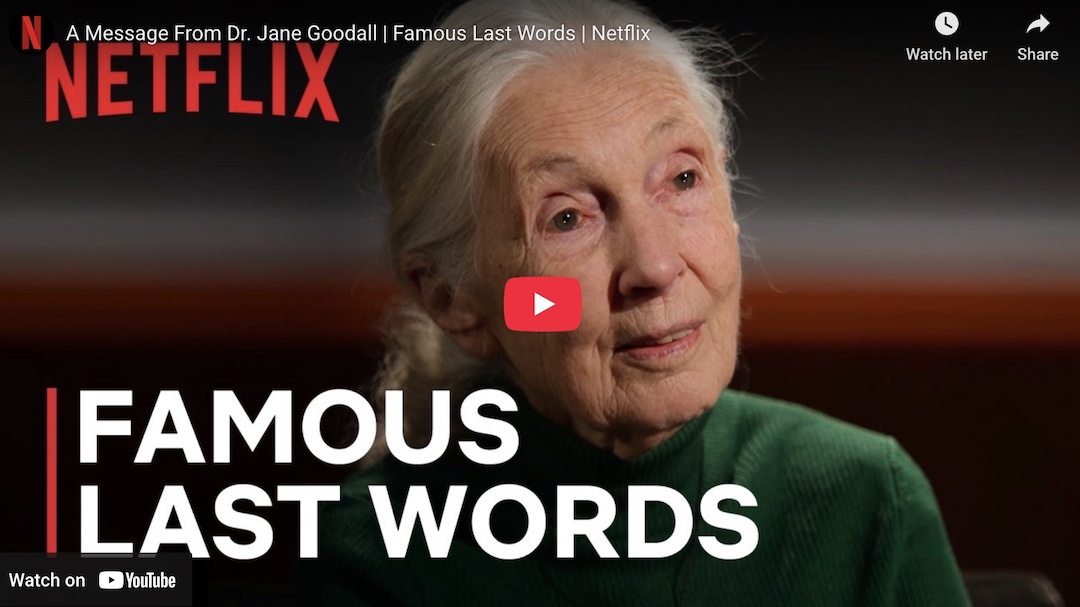
Jane Goodall's assertion that "It actually doesn't take much to be considered a difficult woman. That's why there are so many of us" resonates deeply in a world that often marginalizes voices that challenge the status quo. This statement encapsulates the essence of strength and resilience found within women who dare to speak their truths, defy expectations, and assert their identities. In a society that frequently labels assertiveness as 'difficult,' Goodall invites us to reflect on the broader implications of this characterization and the power dynamics at play.
By acknowledging the prevalence of women who are deemed 'difficult,' Goodall highlights a shared experience that transcends individual stories, uniting women across cultures and generations. This collective identity challenges the societal norms that dictate how women should behave, urging us to embrace our complexities and contradictions. In doing so, Goodall not only empowers women to reclaim their narratives but also calls for a reevaluation of the cultural frameworks that define strength and assertiveness.
The image / the metaphor
The imagery in Goodall's quote is striking in its simplicity yet profound in its implications. The term "difficult woman" conjures a sense of resistance, a refusal to conform to societal expectations. The phrase suggests that the threshold for being labeled as such is alarmingly low, indicating that even minor acts of defiance can provoke strong reactions. This evokes a felt sense of vulnerability, as many women may find themselves navigating the precarious line between assertiveness and acceptance.
Diving deeper into the metaphor, we can see that being labeled as 'difficult' often serves as a mechanism of control, a way to silence voices that challenge patriarchal norms. Goodall's words remind us that this label is not merely a personal affront but a reflection of a larger cultural narrative that seeks to maintain power dynamics. The metaphor of 'difficulty' thus becomes a badge of honor for those who choose to resist, illuminating the strength found in vulnerability and the courage required to stand firm in one's convictions.
In the speaker's tradition
Jane Goodall's work is deeply rooted in contemplative ecology, a tradition that emphasizes the interconnectedness of all living beings and the importance of nurturing our relationship with the natural world. This perspective aligns with concepts such as dharma, which speaks to the inherent duty each individual has to uphold their truth and contribute to the greater good. Goodall embodies this principle through her tireless advocacy for the environment and animal welfare, demonstrating that living authentically often requires challenging societal norms.
In her writings and speeches, Goodall often references the interconnectedness of life, echoing the Buddhist concept of sunyata, or emptiness, which invites us to recognize the fluidity of identity and the importance of compassion. By embracing the complexities of womanhood and the challenges that come with it, Goodall encourages us to cultivate a sense of prajna, or wisdom, that allows us to navigate the world with both strength and grace. Her work serves as a testament to the power of living in alignment with one's values, even when faced with adversity.
Living the teaching
Consider a modern scenario where a woman in the workplace speaks up against an unjust policy that disproportionately affects her colleagues. In doing so, she may be labeled as 'difficult' by those who prefer the status quo. This situation illustrates Goodall's point: it takes little for a woman to be deemed challenging simply for advocating for fairness and equity. Yet, her willingness to confront uncomfortable truths not only empowers her but also inspires others to find their voices, creating a ripple effect of change.
In a more personal context, imagine a woman navigating a relationship where her needs and desires are often overlooked. By asserting herself and expressing her feelings, she may encounter resistance or be labeled as 'difficult.' However, this act of self-advocacy is essential for her emotional well-being and personal growth. Goodall's teaching encourages us to embrace these moments of difficulty as opportunities for deeper connection and understanding, both within ourselves and in our relationships with others.
A reflection
As we contemplate Goodall's words, we are invited to reflect on our own experiences with difficulty and resistance. What does it mean for you to be considered 'difficult'? In what ways can you embrace this label as a source of strength rather than a limitation? By engaging with these questions, we can begin to unravel the complexities of our identities and the societal expectations that shape them, ultimately leading us toward a more authentic and empowered existence.