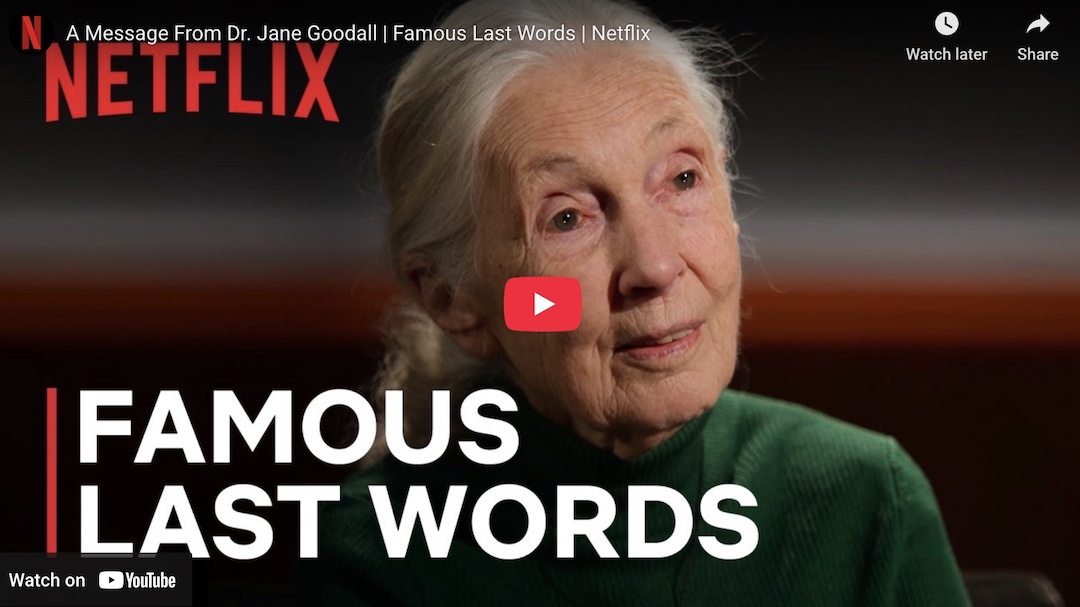
Jane Goodall's assertion that "the world needs storytellers. Stories carry hope" resonates deeply in a time when despair often feels overwhelming. In this statement, Goodall highlights the essential role of storytelling in human experience, suggesting that narratives are not merely entertainment but vital vessels of hope and understanding. As we navigate the complexities of our world, the stories we tell and share can illuminate paths toward healing and connection, reminding us of our shared humanity.
At its core, this quote invites us to reflect on the transformative power of stories. They serve as bridges between individuals, cultures, and generations, allowing us to communicate our struggles, triumphs, and dreams. In a society increasingly fragmented by division and uncertainty, the act of storytelling becomes an act of resistance, a way to foster empathy and inspire collective action. Goodall's words urge us to recognize that within each narrative lies the potential to spark hope, encouraging us to embrace our roles as storytellers in a world that desperately needs them.
The image / the metaphor
Goodall's quote evokes a vivid image of storytellers as essential figures in our communities, akin to ancient bards or wise elders who weave tales that resonate with the human experience. The phrase "the world needs storytellers" suggests an urgent call to action, emphasizing the necessity of sharing narratives that uplift and inspire. The verb "carry" implies a sense of responsibility; storytellers are not merely passive observers but active participants in shaping the emotional landscape of society.
Diving deeper into the metaphor, we can see that stories are not just vehicles for entertainment but are imbued with the power to heal and transform. They possess the ability to encapsulate complex emotions and experiences, allowing listeners to find solace and understanding in shared struggles. By framing stories as carriers of hope, Goodall invites us to consider how narratives can serve as lifelines, guiding us through darkness and uncertainty toward a brighter future.
In the speaker's tradition
Jane Goodall's work is deeply rooted in the contemplative-ecology tradition, which emphasizes the interconnectedness of all living beings and the importance of nurturing our relationship with the natural world. This perspective aligns with concepts such as dharma, which refers to the moral order of the universe, and prajna, the wisdom that arises from understanding our place within it. Goodall's emphasis on storytelling reflects a broader ecological understanding that recognizes the significance of narratives in shaping our perceptions and actions toward the environment.
In her writings and speeches, Goodall often draws parallels between the stories of animals and those of humans, highlighting the shared experiences that bind us together. This echoes the teachings found in various spiritual texts, such as the Buddhist concept of sunyata, or emptiness, which suggests that all beings are interconnected and that our individual stories contribute to a larger narrative. By embracing this interconnectedness, we can cultivate a sense of responsibility for the world around us, recognizing that our stories have the power to inspire change and foster hope.
Living the teaching
Consider a modern scenario where the teaching of storytelling as a source of hope can be applied: a community grappling with the effects of climate change. In this context, local storytellers might share narratives of resilience, showcasing individuals and groups who have successfully adapted to environmental challenges. These stories not only provide hope but also serve as blueprints for action, encouraging others to engage in sustainable practices and advocate for environmental justice.
Another application of this teaching can be found in personal relationships, particularly during difficult moments. Imagine a friend going through a challenging time, feeling isolated and hopeless. By sharing stories of overcoming adversity—whether through personal experiences or tales of others who have triumphed over similar struggles—we can offer comfort and inspiration. This act of storytelling fosters connection and empathy, reminding us that we are not alone in our challenges and that hope can emerge from even the darkest of circumstances.
A reflection
As we contemplate Goodall's poignant words, we are invited to consider our own roles as storytellers in a world that craves hope. What stories do we carry within us, and how can we share them to inspire others? Reflecting on this question can lead us to a deeper understanding of our interconnectedness and the impact our narratives can have on those around us. In a time when hope may feel scarce, let us embrace the power of storytelling as a means to illuminate the path forward.