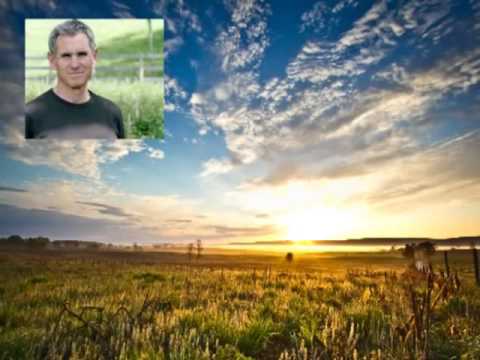
Jon Kabat-Zinn's poignant assertion, "Settle into the body. The body is the doorway to the present," invites us to recognize the profound connection between our physical selves and the experience of being fully alive in the moment. In a world often characterized by distraction and disconnection, this statement serves as a gentle reminder of the importance of grounding ourselves in our bodies as a means to access the richness of the present. The stakes are high; without this awareness, we risk drifting through life, missing the beauty and depth that each moment offers.
Delving deeper, Kabat-Zinn's words suggest that our bodies are not merely vessels for our thoughts and emotions but rather integral to our experience of reality. By settling into our physical form, we can cultivate a sense of awareness that transcends the chaos of daily life. This practice of embodiment is not just about physical presence; it is an invitation to engage with our sensations, emotions, and thoughts in a way that fosters a deeper connection to ourselves and the world around us. In this light, the body becomes a sacred space, a portal through which we can access the fullness of our existence.
The image / the metaphor
The imagery in Kabat-Zinn's quote evokes a sense of sanctuary within the body, suggesting that it is a safe haven where we can retreat to find clarity and peace. The verb "settle" implies a gentle, intentional act of coming home to oneself, as if inviting us to pause and breathe deeply into our physical being. This act of settling is not merely a physical gesture; it is a profound acknowledgment of our existence, a way to honor the life force that animates us. The body, then, is not just a biological entity but a doorway, a threshold that leads us into the vibrant immediacy of the present moment.
Exploring this metaphor further, we can see the body as a bridge connecting our inner world with the external environment. Just as a doorway allows passage from one space to another, our bodies facilitate the flow of experience, enabling us to engage with life as it unfolds. This connection is vital; when we are attuned to our bodily sensations, we become more aware of our thoughts and emotions, allowing us to respond to life with greater authenticity and presence. The body, in this sense, is not a barrier but a facilitator, guiding us toward a deeper understanding of ourselves and our place in the world.
In the speaker's tradition
Jon Kabat-Zinn's teachings are deeply rooted in the tradition of mindfulness, which emphasizes the importance of present-moment awareness and the cultivation of a non-judgmental attitude toward our experiences. Central to this practice is the concept of "dharma," which refers to the natural order of things and our alignment with it. By settling into our bodies, we can better attune ourselves to the rhythms of life, recognizing the interconnectedness of all beings and the impermanence of our experiences. This alignment fosters a sense of peace and acceptance, allowing us to navigate the complexities of existence with grace.
In his seminal work, "Wherever You Go, There You Are," Kabat-Zinn draws upon the wisdom of various contemplative traditions, illustrating how mindfulness can be a transformative practice. He echoes the teachings found in Buddhist texts, where the body is often regarded as a source of insight and understanding. For instance, the concept of "sunyata," or emptiness, invites us to explore the nature of our existence beyond the confines of our thoughts and beliefs. By embracing the body as a doorway, we can access this emptiness, discovering the profound stillness that lies beneath the surface of our busy minds.
Living the teaching
Consider a modern scenario where the teaching of settling into the body can be particularly impactful: a hectic day at work filled with deadlines and distractions. In such moments, it is easy to become overwhelmed, losing touch with our physical selves as we race from task to task. By taking a moment to pause and settle into the body—perhaps through a few deep breaths or a brief stretch—we can reconnect with our sensations and emotions. This simple act can ground us, allowing us to approach our responsibilities with renewed clarity and focus, transforming a chaotic day into an opportunity for mindfulness.
Another application of this teaching might arise in the context of a challenging conversation with a loved one. When emotions run high, it is easy to become reactive, allowing our thoughts to spiral out of control. By consciously settling into our bodies, we can create space for awareness and reflection, enabling us to respond with compassion rather than defensiveness. This practice not only enhances our communication but also deepens our connections, fostering a sense of intimacy and understanding that can transform our relationships.
A reflection
As we contemplate Kabat-Zinn's invitation to settle into the body, we might ask ourselves: How often do I pause to connect with my physical self amidst the busyness of life? This question encourages us to explore our relationship with our bodies and the present moment, inviting us to cultivate a deeper awareness of our experiences. In this exploration, we may discover that the body is not just a vessel but a profound teacher, guiding us toward a more authentic and fulfilling existence.