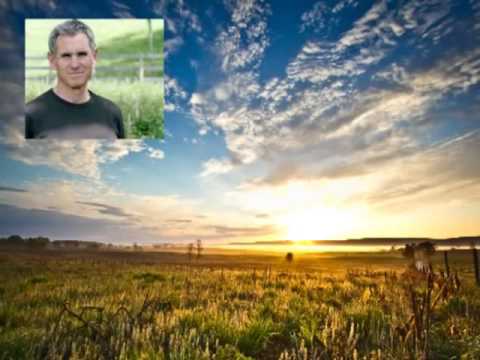
Jon Kabat-Zinn's assertion that "Stress is not what happens to us. It's our response to what happens" invites us to reconsider our relationship with stress. This perspective shifts the focus from external circumstances to our internal reactions, emphasizing the power of choice in how we engage with life's challenges. Understanding this distinction is crucial, as it empowers us to cultivate a more mindful approach to stress, ultimately leading to greater resilience and well-being.
In a world that often feels chaotic and overwhelming, this quote serves as a gentle reminder that our experience of stress is not solely dictated by external events but is profoundly shaped by our responses. By recognizing that we have agency in how we interpret and react to situations, we open the door to transformative practices that can enhance our emotional and mental health. This understanding lays the groundwork for a more profound exploration of mindfulness, inviting us to engage with our experiences in a way that fosters clarity and compassion.
The image / the metaphor
The imagery in Kabat-Zinn's quote evokes a sense of agency and introspection. The phrase "what happens to us" suggests the unpredictable nature of life, filled with events that can be perceived as stressors. In contrast, "our response" highlights the active role we play in shaping our experiences. This duality between external events and internal reactions creates a vivid landscape where stress can either overwhelm us or become a catalyst for growth, depending on how we choose to engage with it.
In the speaker's tradition
Jon Kabat-Zinn's teachings are deeply rooted in the tradition of mindfulness, which emphasizes awareness and presence in each moment. Central to this practice is the concept of "dharma," or the path of truth, which encourages individuals to engage with their experiences authentically. By cultivating mindfulness, we can develop a deeper understanding of our thoughts and emotions, allowing us to respond to stress with greater clarity and compassion. This aligns with the idea of "kenosis," or self-emptying, where we let go of preconceived notions and judgments, creating space for a more genuine response to life's challenges.
In his seminal work, "Full Catastrophe Living," Kabat-Zinn draws upon the principles of mindfulness to illustrate how our perceptions shape our experiences. He emphasizes the importance of being present with our thoughts and feelings, rather than becoming entangled in them. This echoes the teachings found in various spiritual traditions, such as the Buddhist concept of "sunyata," or emptiness, which encourages us to recognize the transient nature of our experiences. By embracing this emptiness, we can cultivate a more profound sense of awareness and resilience in the face of stress.
Living the teaching
Consider a modern scenario where the application of Kabat-Zinn's teaching becomes evident: a hectic work environment filled with deadlines and demands. In such a setting, stress often arises from the pressure to perform and meet expectations. However, by recognizing that stress is not merely a product of external circumstances, but rather a reflection of our response, we can choose to approach these challenges with mindfulness. This might involve taking a moment to breathe, grounding ourselves in the present, and reframing our perspective on the situation, allowing us to navigate the stress with greater ease and clarity.
In the context of relationships, this teaching can also be transformative. Imagine a disagreement with a loved one that triggers feelings of frustration and anxiety. Instead of reacting impulsively, we can pause to reflect on our response, recognizing that our emotions are valid but not necessarily indicative of the situation's reality. By practicing mindfulness, we can approach the conversation with empathy and understanding, fostering a deeper connection rather than allowing stress to drive a wedge between us. This conscious choice to respond mindfully can lead to more harmonious interactions and a greater sense of peace.
A reflection
As we contemplate Kabat-Zinn's profound insight, we are invited to explore the nature of our responses to stress. In what ways do we allow external circumstances to dictate our emotional landscape? Consider a recent experience of stress and reflect on how your response shaped that experience. What might change if you approached future challenges with a mindset rooted in mindfulness and awareness?