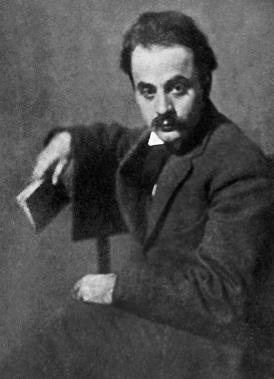
Kahlil Gibran's poignant observation, "Half of what I say is meaningless, but I say it so that the other half may reach you," invites us to reflect on the nature of communication itself. In a world saturated with words, the essence of our exchanges often lies beneath the surface. Gibran's insight suggests that the act of speaking is not merely about conveying information but about creating a bridge of understanding, where the true message can resonate with the listener. This notion is particularly relevant in our contemporary landscape, where the noise of superficial dialogue often drowns out deeper truths.
As we delve into this quote, we recognize that Gibran is not merely lamenting the inadequacies of language; he is illuminating the profound complexity of human connection. The interplay between what is said and what is meant reveals a rich tapestry of intention, emotion, and vulnerability. In acknowledging that half of his words may lack substance, Gibran invites us to consider the deeper motivations behind our communication. This exploration is essential, as it challenges us to seek authenticity in our interactions and to cultivate a deeper awareness of the nuances that shape our relationships.
The image / the metaphor
At first glance, Gibran's words present a striking image of speech as a dual entity, where meaning and meaninglessness coexist. The phrase "half of what I say is meaningless" evokes a sense of humility, suggesting that the speaker is aware of the limitations of language. The choice of the word "meaningless" carries a weight that encourages us to ponder the transient nature of words, which can often fail to encapsulate the depth of our thoughts and feelings. Yet, the latter part of the quote, "but I say it so that the other half may reach you," introduces a sense of purpose and intention, transforming the act of speaking into a sacred endeavor aimed at connection.
Diving deeper into the metaphor, we can see that Gibran is articulating a fundamental truth about the human experience: communication is an art form that requires both skill and vulnerability. The "half" that reaches the listener is imbued with the speaker's intention, emotion, and authenticity. This duality reflects the complexity of our inner lives, where the unspoken often carries as much weight as the spoken. In this light, Gibran's quote becomes a call to embrace the imperfections of our communication, recognizing that even the seemingly meaningless can serve a higher purpose in fostering understanding and connection.
In the speaker's tradition
Kahlil Gibran's work is deeply rooted in the Christian mystical tradition, which emphasizes the transformative power of love, compassion, and the interconnectedness of all beings. Concepts such as kenosis—the self-emptying of one's will to make room for divine presence—resonate with Gibran's understanding of communication. By acknowledging that half of his words may be devoid of meaning, he embodies the spirit of kenosis, inviting listeners to engage with the deeper essence of his message. This self-emptying allows for a more profound connection, where the listener can access the heart of the speaker's intention.
Moreover, Gibran's exploration of communication aligns with the mystical concept of prajna, or wisdom, which emphasizes the importance of discerning truth beyond surface appearances. In his seminal work, "The Prophet," Gibran articulates the idea that true wisdom often lies in the spaces between words, urging us to listen not only to what is said but also to what is left unsaid. This echoes the teachings found in various spiritual traditions, where silence and contemplation are seen as pathways to deeper understanding and connection with the divine.
Living the teaching
Consider a modern scenario where this teaching might resonate: a conversation between friends navigating a difficult topic, such as grief or loss. One friend may struggle to articulate their feelings, often resorting to clichés or platitudes that seem inadequate. Yet, in the act of sharing, they create a space for vulnerability, allowing the other to sense the deeper emotions at play. Here, the "meaningless" words serve a purpose, as they pave the way for the more profound truths that emerge through empathy and shared experience. This dynamic illustrates how communication can transcend mere words, fostering connection in moments of emotional complexity.
In another context, think of a relationship where misunderstandings frequently arise. One partner may express frustration through seemingly trivial complaints, which can be dismissed as inconsequential. However, if both partners approach these exchanges with Gibran's wisdom in mind, they may recognize that beneath the surface lies a deeper yearning for connection and understanding. By acknowledging the "half" that may seem meaningless, they can engage in a more compassionate dialogue, ultimately strengthening their bond. This practice of mindful communication invites us to explore the layers of meaning in our interactions, fostering a deeper sense of intimacy and trust.
A reflection
As we contemplate Gibran's insight, we are invited to reflect on our own communication practices. How often do we find ourselves speaking without fully considering the impact of our words? In what ways can we embrace the imperfections of our speech to foster deeper connections with others? By engaging with these questions, we open ourselves to the possibility of transformation in our relationships, allowing the essence of our true selves to shine through the sometimes clumsy medium of language.
