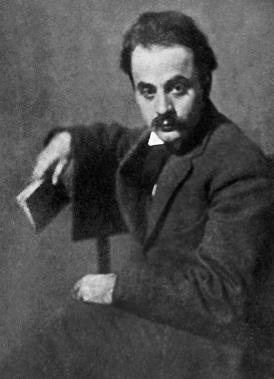
The Lid That Guards the Eye: A Contemplation on Gibran's Wisdom
Kahlil Gibran's evocative assertion, "It shall not be a glistening film that covers a wound, but a lid that guards the eye," invites us to reconsider the nature of healing and protection. Rather than merely masking our vulnerabilities with superficial solutions, Gibran urges us to adopt a more profound approach—one that safeguards our inner vision and wisdom. This distinction is crucial in a world often preoccupied with appearances, where the allure of quick fixes can distract us from the deeper work of understanding and integration.
In this quote, Gibran encapsulates the essence of true wisdom: it is not found in the fleeting comfort of a superficial covering but in the steadfastness of a protective barrier that allows us to see clearly. The metaphor of a lid suggests a conscious choice to guard our perception and insight, emphasizing the importance of discernment in our spiritual journey. As we navigate the complexities of life, this wisdom becomes a guiding principle, reminding us that genuine healing requires both vulnerability and the courage to protect our inner selves.
The image / the metaphor
The imagery in Gibran's quote is striking, contrasting the temporary nature of a "glistening film" with the solidity of a "lid." The film, often associated with beauty and allure, serves only to obscure the wound beneath, while the lid implies a more intentional act of safeguarding. This choice of verbs—"covers" versus "guards"—highlights the difference between passive and active engagement with our wounds. The felt sense of this metaphor resonates deeply; it speaks to our innate desire for protection while also acknowledging the necessity of confronting our pain.
In the speaker's tradition
Kahlil Gibran's work is deeply rooted in the Christian-mystic tradition, which emphasizes the transformative power of love, compassion, and inner wisdom. Concepts such as kenosis—the self-emptying of one's will to make room for divine presence—echo the sentiment of Gibran's quote. By guarding our inner eye, we practice a form of kenosis, allowing ourselves to be receptive to deeper truths while protecting our spiritual sight from distractions that may lead us astray.
Moreover, Gibran's emphasis on wisdom aligns with the teachings found in various mystical texts, such as the writings of Meister Eckhart or Julian of Norwich, who both explore the relationship between suffering and spiritual insight. In "The Prophet," Gibran articulates the idea that true wisdom arises not from the avoidance of pain but from the conscious engagement with it. This perspective resonates with the notion of "fana," or the annihilation of the self in the presence of the divine, suggesting that our wounds can lead us to a more profound understanding of our connection to the universe.
Living the teaching
Consider a modern scenario where this teaching resonates: a person grappling with the aftermath of a significant loss. In the face of grief, it can be tempting to seek quick relief through distractions or superficial comforts. However, Gibran's wisdom encourages us to embrace the pain, to allow it to inform our understanding of life and love. By guarding our inner eye, we create a space for genuine healing, one that acknowledges the depth of our experience while fostering resilience and insight.
In relationships, this teaching can manifest during moments of conflict or misunderstanding. Instead of resorting to defensive mechanisms that merely cover the wounds, we can choose to engage with our feelings openly and honestly. By protecting our inner vision, we cultivate a deeper connection with our partners, allowing for authentic dialogue and growth. This practice not only strengthens our relationships but also enriches our spiritual journey, as we learn to navigate the complexities of human connection with grace and wisdom.
A reflection
As we contemplate Gibran's profound insight, we are invited to reflect on our own lives: What wounds do we seek to cover with glistening films, and how might we instead choose to guard our inner eye? This question encourages us to examine our approaches to healing and protection, urging us to seek deeper understanding rather than superficial solutions. In this exploration, we may discover the transformative power of embracing our vulnerabilities while safeguarding our spiritual sight.
