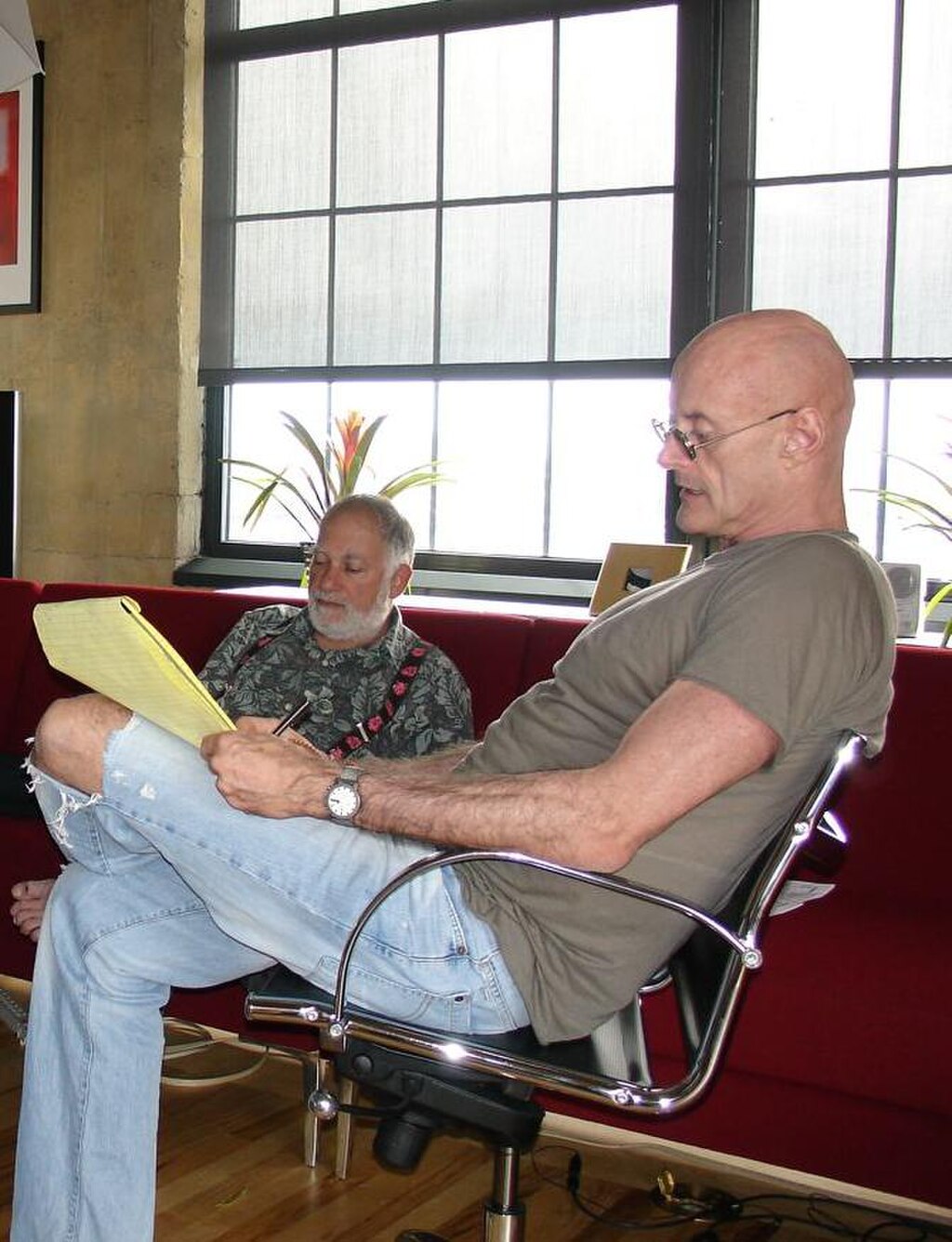
The All-Encompassing Kosmos: A Journey into Integral Understanding
Ken Wilber's assertion that "the kosmos is the all of all — physis, bios, psyche, theos" invites us to contemplate the vast interconnectedness of existence. In this succinct phrase, Wilber encapsulates a profound vision of reality that transcends mere physicality, embracing the realms of nature, life, consciousness, and the divine. This perspective matters deeply in our increasingly fragmented world, where the divisions between science, spirituality, and human experience often lead to misunderstanding and alienation.
Wilber's insight challenges us to recognize that the kosmos is not merely a backdrop for our individual lives but an intricate tapestry woven from the threads of various dimensions of existence. By acknowledging the unity of physis (the physical world), bios (the realm of life), psyche (the domain of consciousness), and theos (the spiritual essence), we are invited to explore a more holistic understanding of our place within this grand design. This exploration is not just an intellectual exercise; it is a call to embody an integral approach to life that honors the complexity and beauty of the universe.
The image / the metaphor
At first glance, the quote presents a rich imagery that evokes the vastness of the kosmos. The term "kosmos" itself suggests an ordered and harmonious universe, in contrast to the chaos often associated with existence. Each component—physis, bios, psyche, and theos—serves as a distinct yet interrelated facet of reality, inviting us to appreciate the fullness of life. The verbs chosen here imply an active engagement with these dimensions, suggesting that they are not static entities but dynamic processes that shape our understanding of existence.
Diving deeper into the metaphor, we can see that Wilber's use of "the all of all" emphasizes the totality of experience. It encourages us to move beyond dualistic thinking, where we might separate the physical from the spiritual or the conscious from the unconscious. Instead, we are invited to embrace a more inclusive perspective that recognizes the interplay between these realms. This holistic view fosters a sense of belonging and interconnectedness, reminding us that every aspect of existence contributes to the greater whole.
In the speaker's tradition
Ken Wilber's integral philosophy is rooted in a synthesis of various spiritual and philosophical traditions, drawing from Eastern and Western thought alike. Concepts such as dharma, which refers to the inherent order of the universe, and kenosis, the self-emptying of the divine, resonate deeply with the idea of the kosmos as an all-encompassing reality. Wilber's work encourages us to explore the depths of sunyata (emptiness) and fana (annihilation of the self) as pathways to understanding our place within the kosmos, ultimately leading to a profound experience of bhakti (devotion) and prajna (wisdom).
In his seminal work, "Sex, Ecology, Spirituality," Wilber articulates the necessity of integrating these diverse dimensions of existence to achieve a more comprehensive understanding of reality. He draws parallels with the teachings of various spiritual traditions, emphasizing that the journey toward wholeness is not merely an intellectual pursuit but a lived experience. By engaging with the kosmos in its entirety, we can cultivate a deeper awareness of our interconnectedness and the sacredness of all life.
Living the teaching
Consider a modern scenario where the teaching of the kosmos can be applied: a community grappling with environmental degradation. As individuals become increasingly aware of the interconnectedness of physis and bios, they may begin to recognize that their actions have far-reaching consequences. This realization can inspire collective action, fostering a sense of responsibility and stewardship for the planet. By embracing the integral perspective, community members can work together to create sustainable practices that honor both the physical environment and the life it supports.
In a more personal context, imagine a relationship strained by misunderstandings and emotional distance. By reflecting on the kosmos as a unified whole, individuals can begin to see their partner not as a separate entity but as a vital part of their own experience. This shift in perspective can lead to greater empathy and compassion, allowing for deeper connections and healing. In daily practice, one might engage in contemplative exercises that encourage mindfulness and presence, fostering a sense of unity with oneself and others.
A reflection
As we contemplate Wilber's profound assertion, we are left with a contemplative question: How can we cultivate a deeper awareness of the interconnectedness of all aspects of our lives? This inquiry invites us to explore our relationships, our environment, and our inner selves, seeking to understand how they are woven together in the grand tapestry of the kosmos. By engaging with this question, we may discover new pathways to embodying an integral approach to life, one that honors the complexity and beauty of existence.


