The Flow of Grace in Chanting: A Bhakti Perspective
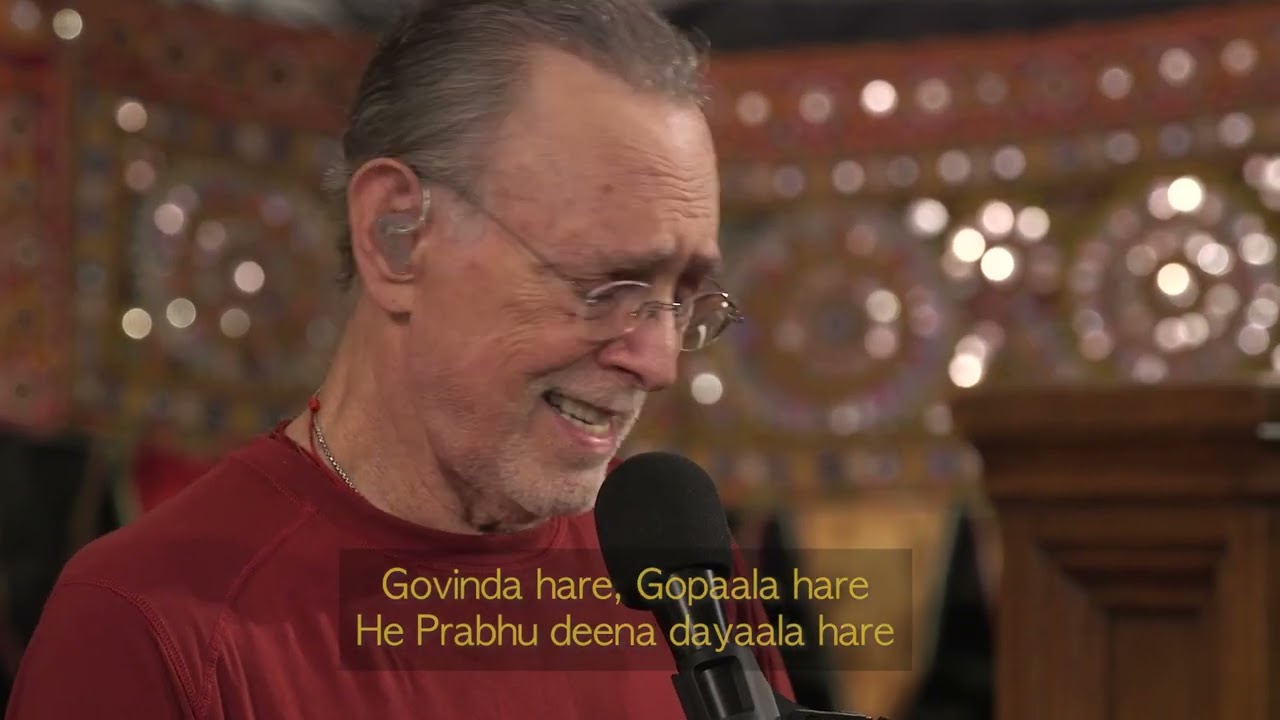
In the words of Krishna Das, "Maharaj-ji's grace flows in the chanting." This profound statement encapsulates the essence of bhakti, the devotional path that emphasizes love and surrender to the divine. The act of chanting, often seen as a mere vocal exercise, is elevated here to a sacred practice through which divine grace is not only accessed but actively flows into the lives of those who engage in it. Understanding this quote invites us to explore the transformative power of sound and devotion, revealing how these elements intertwine to create a conduit for spiritual awakening.
As we delve deeper into this quote, we recognize that it speaks to a universal longing for connection with the divine. The notion of grace, often elusive and abstract, is made tangible through the practice of chanting. In bhakti, chanting becomes a bridge that connects the devotee to the divine presence, allowing for an experience of grace that is both personal and communal. This relationship between the practitioner and the divine is not merely transactional; it is a profound engagement that fosters a sense of belonging and purpose, reminding us that we are part of a larger spiritual tapestry.
The image / the metaphor
The imagery in Krishna Das's quote evokes a sense of fluidity and abundance. The word "flows" suggests a natural, effortless movement, akin to a river that nourishes the land it traverses. This metaphor implies that grace is not a static gift but a dynamic force that courses through the act of chanting, enriching the lives of those who partake in it. The act of chanting itself becomes a vessel, a sacred space where the divine presence is invited to manifest, creating an atmosphere ripe for spiritual transformation.
Diving deeper into this metaphor, we can see that the flow of grace is not limited to the individual experience; it extends to the collective. When a group gathers to chant, the energy generated amplifies the grace that flows, creating a shared experience of divine connection. This communal aspect of chanting reflects the bhakti tradition's emphasis on community and togetherness, where individual devotion contributes to a greater whole. In this way, the act of chanting becomes a communal river, where each voice adds to the richness of the experience, allowing grace to flow freely among all participants.
In the speaker's tradition
Krishna Das, rooted in the bhakti tradition, draws upon a rich tapestry of spiritual concepts that illuminate the significance of grace and chanting. In bhakti, the relationship between the devotee and the divine is characterized by love, surrender, and devotion. This path emphasizes the importance of bhakti as a means of realizing one's true nature and connecting with the divine essence that permeates all existence. Concepts such as dharma, the moral order of the universe, and prajna, the wisdom that arises from direct experience, are integral to understanding how grace operates within this framework.
A relevant text that resonates with this theme is the "Bhagavad Gita," where the idea of surrendering to the divine will is central. In Chapter 18, verse 66, Krishna advises Arjuna to abandon all forms of religion and simply surrender to Him. This call to surrender mirrors the essence of chanting as a practice of letting go and allowing grace to flow. By engaging in the act of chanting, practitioners are invited to embody this surrender, opening themselves to the transformative power of divine grace that Krishna Das speaks of.
Living the teaching
Consider a modern scenario where the teaching of grace flowing through chanting can be applied: imagine a busy urban environment where stress and anxiety are prevalent. In such a setting, individuals often seek solace and connection amidst the chaos. Engaging in a group chanting session can serve as a refuge, allowing participants to experience the flow of grace as they collectively raise their voices in devotion. This shared experience not only alleviates individual burdens but also fosters a sense of community, reminding everyone that they are not alone in their struggles.
Another application of this teaching can be found in personal relationships. When faced with conflict or misunderstanding, individuals can turn to the practice of chanting as a means of grounding themselves and inviting grace into the situation. By chanting together, partners can create a space for healing and reconciliation, allowing the flow of grace to soften hearts and open lines of communication. This practice transforms the relationship dynamic, turning potential discord into an opportunity for deeper connection and understanding.
A reflection
As we contemplate Krishna Das's assertion that "Maharaj-ji's grace flows in the chanting," we are invited to reflect on our own experiences with grace and devotion. How do we create spaces in our lives for this grace to flow? What practices can we engage in that invite the divine presence into our daily existence? By pondering these questions, we open ourselves to the possibility of experiencing grace in new and profound ways, allowing it to transform our lives and the lives of those around us.