The Heart of Authentic Expression
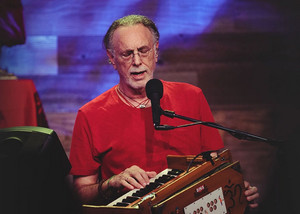
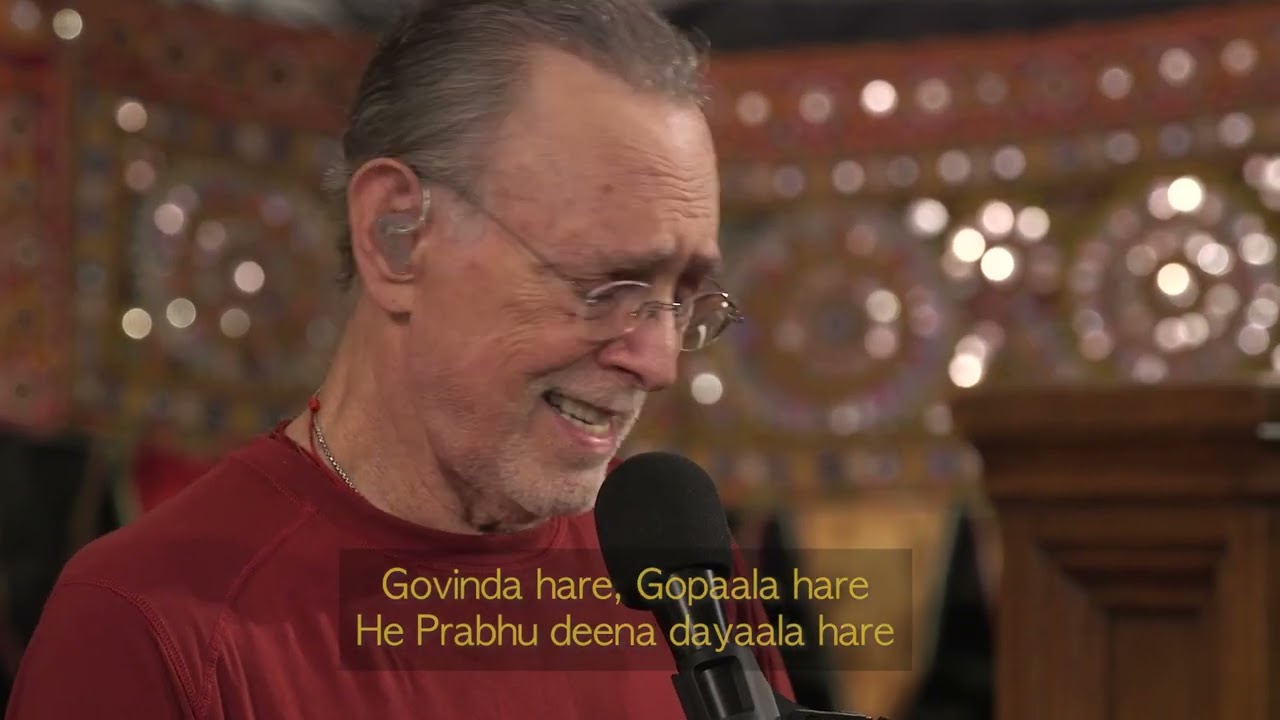
In the words of Krishna Das, "Real chanting is not performance. It is prayer." This profound statement invites us to reconsider our understanding of chanting, urging us to see it not as a mere act of vocalization or artistic display, but as a deeply spiritual practice rooted in sincerity and connection. The stakes are high; in a world often dominated by superficiality and performance, this teaching beckons us to explore the authenticity of our spiritual expressions and the intention behind them.
Chanting, in this light, becomes a sacred act, a bridge between the self and the divine. It is an invitation to enter a space of vulnerability, where the heart can resonate with the divine presence. This perspective shifts our focus from the external validation of performance to the internal resonance of prayer, emphasizing that true spiritual practice is about the depth of our connection rather than the breadth of our audience. In this exploration, we uncover the essence of bhakti, the devotional path that celebrates love and surrender to the divine.
The image / the metaphor
At first glance, the quote presents a dichotomy between performance and prayer, suggesting that the former is often characterized by an outward display while the latter is an inward journey. The imagery of chanting evokes a sense of rhythm and sound, yet Krishna Das emphasizes that the essence lies not in how it is perceived by others but in the authenticity of the experience itself. The verbs chosen—"chanting" and "prayer"—imply a dynamic relationship; chanting is an action, while prayer embodies intention and devotion.
Diving deeper into the metaphor, we can see that performance often seeks validation, applause, or recognition, whereas prayer is an intimate dialogue with the divine. In this sense, chanting as prayer becomes a transformative act, where the individual surrenders their ego and opens their heart. The felt sense of this practice is one of communion, where the boundaries between self and the divine dissolve, allowing for a profound experience of unity and love.
In the speaker's tradition
Krishna Das, rooted in the bhakti tradition, embodies the essence of devotional practice that emphasizes love and surrender to God. In bhakti, the act of chanting is not merely a ritual but a pathway to experiencing divine love, or prema. This aligns with the concept of dharma, where one's duty is to engage in practices that foster connection with the divine. The notion of kenosis, or self-emptying, resonates here as well; true chanting requires us to let go of our ego and performative tendencies, allowing the divine to flow through us.
In the Bhagavad Gita, we find a parallel in the teachings of devotion and surrender. Chapter 9, verse 22 states, "To those who are constantly devoted and who worship Me with love, I give the understanding by which they can come to Me." This verse encapsulates the essence of Krishna Das's quote, highlighting that true devotion transcends performance and is rooted in a heartfelt connection with the divine. The act of chanting, therefore, becomes a means of cultivating that devotion, inviting us to engage with our spiritual practice authentically.
Living the teaching
Consider a modern scenario where this teaching can be applied: a community gathering where individuals come together to chant. In such a setting, it is easy to slip into the mindset of performance, focusing on how well one sings or how others perceive their participation. However, if we embrace Krishna Das's insight, we can transform this experience into a genuine act of prayer, allowing ourselves to be fully present and vulnerable. This shift in perspective can create a powerful atmosphere of connection, where the collective energy of devotion elevates the experience beyond mere entertainment.
Another application of this teaching can be found in personal relationships, particularly during moments of conflict or misunderstanding. Instead of approaching a conversation with the intention to perform or defend oneself, one can choose to engage with authenticity and openness. By embodying the spirit of prayer, we can listen deeply and express ourselves honestly, fostering a space for healing and connection. This practice of authentic communication mirrors the essence of chanting as prayer, reminding us that our interactions can also be sacred expressions of devotion.
A reflection
As we contemplate Krishna Das's profound statement, we are invited to reflect on our own practices of chanting and prayer. Are we engaging in these acts with authenticity, or are we caught in the web of performance? In what ways can we deepen our connection to the divine through our expressions of devotion? Let this contemplation guide you toward a more heartfelt practice, one that resonates with the true essence of prayer.