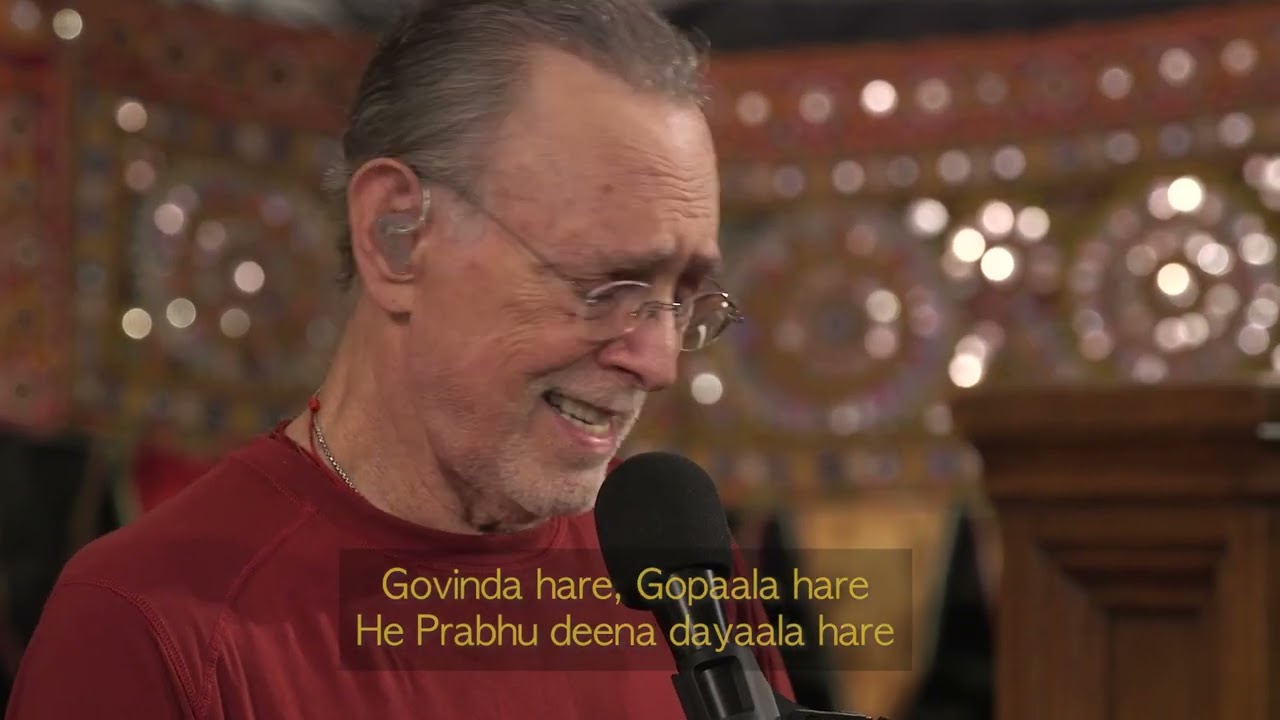
The Heart of Authentic Expression
In the words of Krishna Das, "Sing because you love. Don't sing because you should." This simple yet profound statement invites us to explore the depths of our motivations and the authenticity of our expressions. It challenges the societal norms that often dictate our actions, urging us to connect with the pure essence of love as the driving force behind our creativity and expression. In a world that frequently emphasizes obligation over passion, this quote serves as a gentle reminder to return to the heart of our being.
At its core, this quote beckons us to examine the difference between performing out of duty and expressing from a place of genuine affection. The act of singing, or any form of expression, becomes a sacred offering when it arises from love rather than obligation. This distinction is crucial, as it speaks to the authenticity of our experiences and the vibrancy of our connections with others. In a culture that often prioritizes productivity and expectation, Krishna Das's words invite us to reclaim the joy of creation as an act of devotion.
The image / the metaphor
The imagery in Krishna Das's quote is rich and evocative. To "sing" is not merely to vocalize; it is to express one's innermost feelings, to share a piece of one's soul with the world. The choice of the verb "sing" suggests a lightness, an elevation of spirit that comes from a place of joy. In contrast, the phrase "because you should" carries a weight of obligation, a sense of duty that can stifle creativity and authenticity. This juxtaposition creates a vivid landscape where love is the liberating force that allows us to soar, while obligation can tether us to the ground.
Diving deeper into the metaphor, we can see that singing represents any form of self-expression, whether it be art, writing, or even the way we engage in relationships. When we create from a place of love, our expressions resonate with authenticity and vibrancy, touching the hearts of others. Conversely, when we act out of a sense of "should," our efforts may lack the depth and sincerity that come from genuine passion. This metaphor encourages us to cultivate a practice of self-awareness, to discern when we are acting from love and when we are merely fulfilling expectations.
In the speaker's tradition
Krishna Das, a prominent figure in the bhakti tradition, embodies the principles of devotion and love in his music and teachings. Bhakti, which translates to devotion, emphasizes the importance of loving surrender to the divine. In this context, the act of singing becomes a form of worship, a way to express one's love for the divine and for all of creation. The concept of dharma, or one's duty, is often intertwined with the idea of authenticity in bhakti; however, Krishna Das's quote reminds us that true dharma arises from love rather than obligation.
In the Bhagavad Gita, a foundational text of the bhakti tradition, Krishna speaks to Arjuna about the importance of acting according to one's true nature rather than being bound by societal expectations. This aligns beautifully with Krishna Das's message, as both emphasize the need to connect with our authentic selves. When we act from love, we align with our true dharma, allowing our actions to flow naturally and effortlessly, much like a song sung from the heart.
Living the teaching
Consider a modern scenario where this teaching resonates: a workplace environment where creativity is stifled by rigid expectations. Employees may feel pressured to produce results that align with corporate goals, often at the expense of their own passions and interests. In such a setting, the act of creating becomes a chore rather than a joyful expression. By embracing Krishna Das's wisdom, individuals can begin to infuse their work with love, seeking ways to align their tasks with their passions, thereby transforming their work into a form of authentic expression.
In the realm of personal relationships, this teaching can manifest in profound ways. Imagine a couple who feels compelled to maintain a facade of harmony, engaging in conversations out of obligation rather than genuine connection. By choosing to communicate from a place of love, they can break free from the constraints of "should" and foster a deeper, more authentic bond. This shift not only enriches their relationship but also allows them to experience the joy of true connection, where each interaction becomes a celebration of love rather than a performance of duty.
A reflection
As we contemplate Krishna Das's invitation to "sing because you love," we are called to reflect on our own motivations in various aspects of our lives. Are there areas where we feel compelled to act out of obligation rather than genuine passion? What would it look like to infuse our daily actions with love and authenticity? In this moment of reflection, consider: how can you cultivate a practice of expressing your true self, free from the constraints of "should"? Allow this question to guide you toward a deeper understanding of your own heart and the ways in which you can live more authentically.