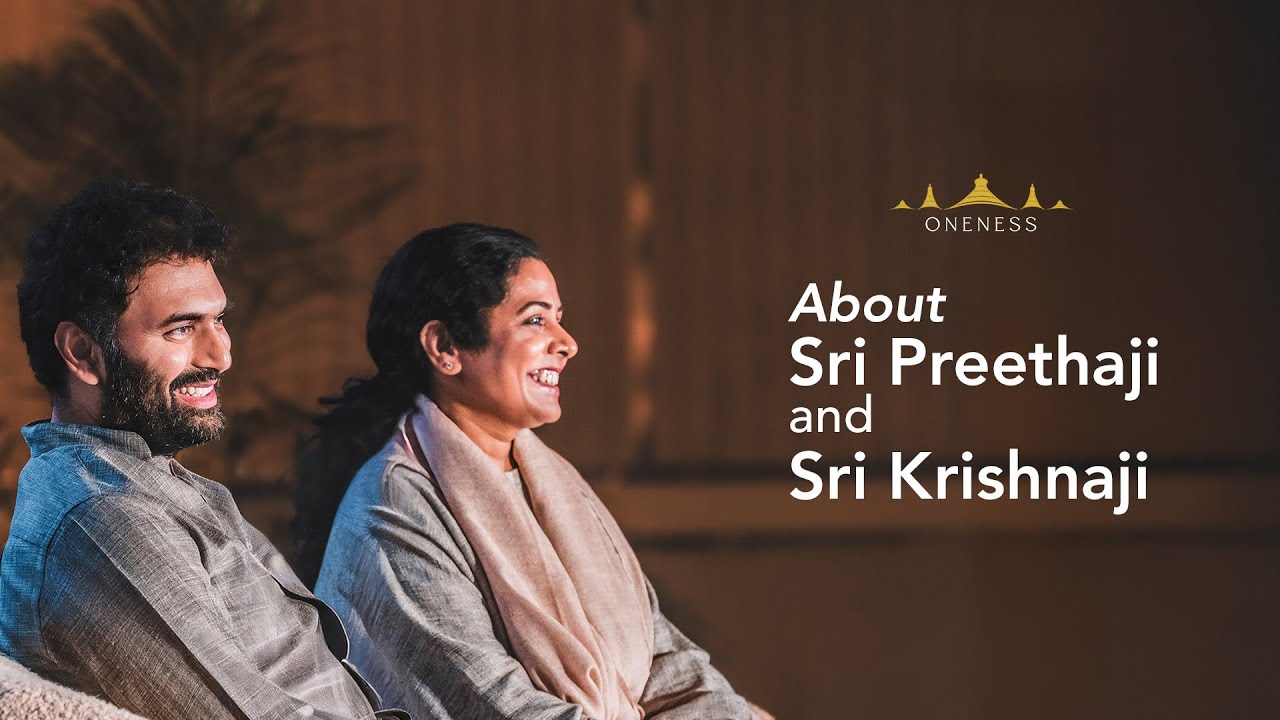
“Trust the heart more than the mind.” This profound statement by Krishnaji invites us to explore the delicate interplay between our emotional and rational selves. In a world often dominated by logic and analysis, this quote serves as a gentle reminder to prioritize our inner feelings and intuitions. The heart, in this context, symbolizes our deeper wisdom, while the mind represents the analytical processes that can sometimes lead us astray. Understanding this dynamic is crucial, as it can guide us toward more authentic and fulfilling lives.
As we delve deeper into this teaching, we begin to recognize the inherent tension between heart and mind. The heart, often associated with love, compassion, and intuition, calls us to embrace our true selves and connect with others on a profound level. In contrast, the mind, with its penchant for skepticism and rationality, can create barriers that prevent us from experiencing the fullness of life. By trusting the heart, we open ourselves to a more expansive understanding of existence, one that transcends mere intellectual comprehension and invites us into a realm of deeper connection and understanding.
The image / the metaphor
The imagery of trusting the heart over the mind evokes a sense of surrender and vulnerability. The heart, often depicted as a source of warmth and light, suggests a path toward authenticity and emotional truth. The verbs “trust” and “more than” imply a hierarchy, where the heart’s wisdom is not merely an alternative to the mind’s reasoning but a guiding force that can illuminate our path. This metaphor invites us to consider how often we rely on our intellect to navigate life’s complexities, sometimes at the expense of our emotional well-being.
In the speaker's tradition
Krishnaji’s teachings are deeply rooted in the oneness movement, which emphasizes the interconnectedness of all beings and the importance of inner awareness. Concepts such as dharma, or the path of righteousness, and bhakti, the devotion to a higher truth, resonate with the idea of trusting the heart. In this context, the heart embodies our innate understanding of our purpose and connection to the universe, while the mind often distracts us from this essential truth. By aligning with our heart, we can more fully embrace our dharma and live in harmony with the world around us.
In the context of Krishnaji’s teachings, we can draw parallels to the Buddhist concept of sunyata, or emptiness, which invites us to let go of rigid attachments to thoughts and beliefs. Just as sunyata encourages us to see beyond the confines of the mind, trusting the heart allows us to experience a deeper sense of freedom and clarity. This alignment with our heart can lead us to a state of prajna, or wisdom, where we can navigate life’s complexities with grace and insight.
Living the teaching
Consider a modern scenario where this teaching might resonate: a person facing a significant career decision. The mind may present a logical analysis of potential outcomes, weighing pros and cons meticulously. However, the heart may whisper a different truth, urging them to pursue a path that aligns with their passions and values, even if it appears less secure. By prioritizing the heart’s guidance, this individual may find a sense of fulfillment and purpose that transcends mere financial considerations, ultimately leading to a more meaningful life.
In relationships, the teaching of trusting the heart can also manifest powerfully. Imagine a couple navigating a conflict; the mind may focus on who is right or wrong, analyzing past grievances and future implications. Yet, if they choose to listen to their hearts, they may discover a deeper understanding of each other’s feelings and needs. This shift from a mind-centered approach to one rooted in emotional connection can foster healing and intimacy, allowing love to flourish even in challenging times.
A reflection
As we reflect on Krishnaji’s invitation to trust the heart more than the mind, we might ask ourselves: In what areas of my life am I allowing my mind to overshadow the wisdom of my heart? This contemplative question encourages us to examine our choices and relationships, inviting us to explore where we might be holding back from our true selves. By embracing this inquiry, we can begin to cultivate a more authentic existence, one that honors the profound wisdom that resides within our hearts.