The Power of Unopinionated Peace
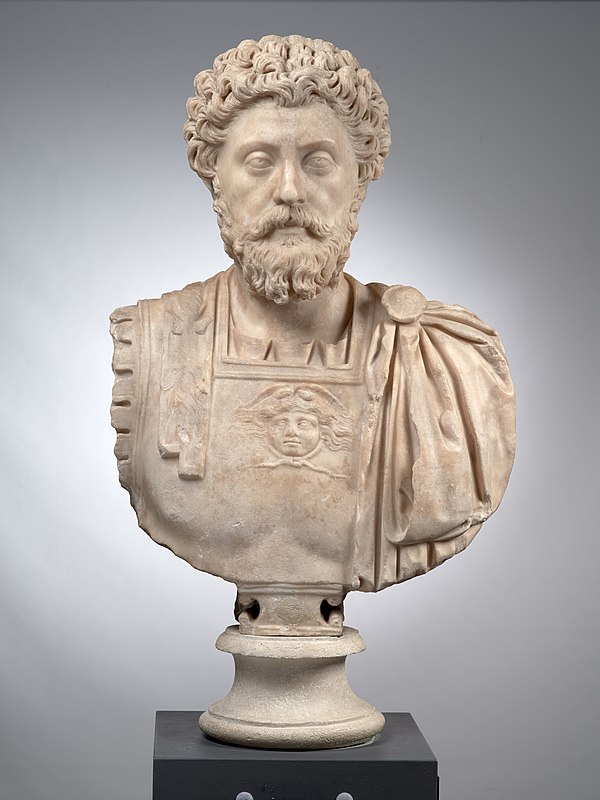
Marcus Aurelius, in his profound reflection, asserts that we possess the ability to refrain from forming opinions about external events, thereby safeguarding our inner tranquility. This notion is not merely a philosophical abstraction; it is a call to cultivate a state of mind that remains undisturbed by the chaos of the world. In a time when external circumstances often dictate our emotional responses, Aurelius invites us to reclaim our power and find peace within ourselves, regardless of the turmoil that may surround us.
To grasp the weight of Aurelius's insight, we must recognize the pervasive influence of our judgments and opinions. Each day, we encounter myriad situations that provoke reactions, often leading to anxiety, frustration, or discontent. By suggesting that we can choose to hold no opinion, Aurelius offers a radical perspective on emotional autonomy. This teaching encourages us to explore the depths of our consciousness, revealing the potential for serenity that lies within the unclouded mind.
The image / the metaphor
At the heart of Aurelius's quote lies a vivid imagery of the mind as a tranquil lake, undisturbed by the winds of external events. The verbs "to have" and "to be disturbed" evoke a sense of agency; we are not passive recipients of life's happenings but active participants in how we respond to them. This metaphorical landscape invites us to visualize a state of being where our thoughts and emotions are not dictated by the world outside but are instead governed by our inner resolve.
In the speaker's tradition
Marcus Aurelius's teachings are deeply rooted in Stoicism, a philosophy that emphasizes the importance of virtue, reason, and self-control. Central to Stoic thought is the concept of *apatheia*, which refers to a state of being free from emotional disturbance. This aligns closely with the idea of *sunyata* in Buddhism, which speaks to the emptiness of inherent existence and the liberation found in detachment from opinions and desires. Both traditions advocate for a profound understanding of the self as a means to achieve inner peace.
In his *Meditations*, Aurelius frequently reflects on the transient nature of life and the importance of focusing on what is within our control. This resonates with the teachings of Epictetus, who famously stated that it is not events themselves that disturb us, but our judgments about those events. By situating Aurelius's quote within this broader Stoic framework, we can appreciate the timeless wisdom that encourages us to cultivate a discerning mind, one that recognizes the impermanence of external circumstances.
Living the teaching
Consider a modern scenario where this teaching can be applied: imagine receiving critical feedback at work. The instinctive reaction may be to feel defensive or anxious, allowing the opinions of others to disrupt your peace. However, by embracing Aurelius's wisdom, you can choose to observe the feedback without forming an immediate opinion about its validity or your self-worth. This conscious decision allows you to maintain your inner calm, enabling you to reflect on the feedback constructively rather than reactively.
In the realm of relationships, this teaching can be particularly transformative. Picture a disagreement with a loved one, where emotions run high, and opinions clash. By practicing the art of withholding judgment, you can create space for understanding rather than conflict. This approach fosters a deeper connection, as both parties can express their feelings without the burden of defensiveness, ultimately leading to a more harmonious resolution.
A reflection
As we contemplate Marcus Aurelius's profound assertion, we are invited to reflect on our own relationship with opinion and disturbance. How often do we allow external events to dictate our emotional landscape? In what ways can we cultivate a practice of observing our thoughts without attachment, thereby nurturing a more peaceful existence? Consider this question as a gentle guide on your journey toward inner tranquility.


