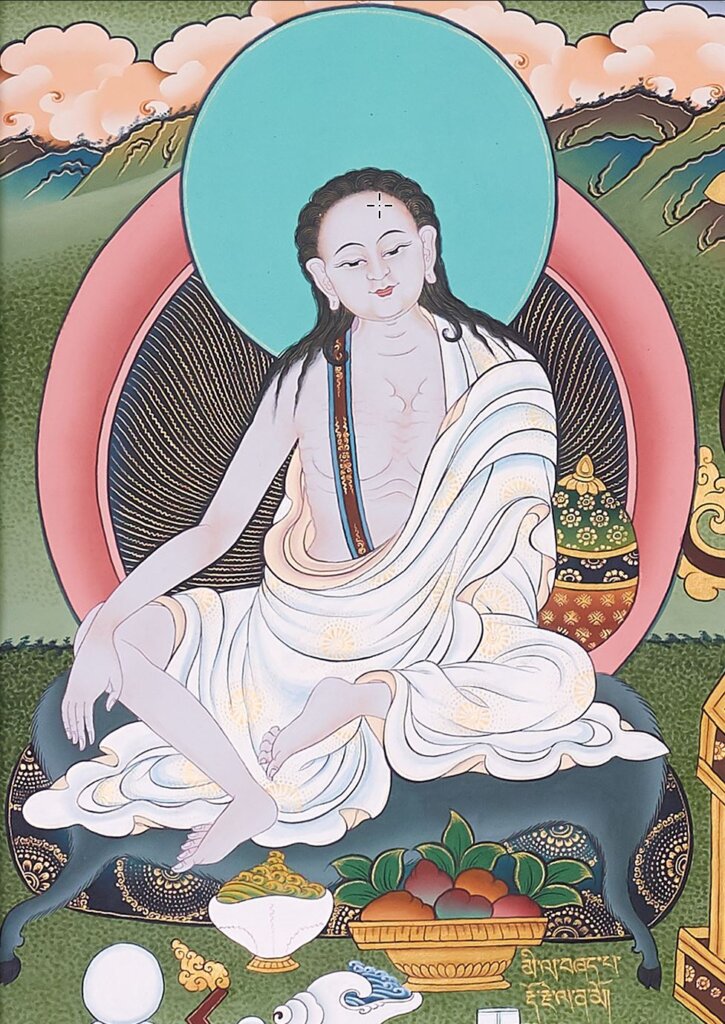
The Unraveling of Worldly Pursuits
Milarepa's poignant assertion that "All worldly pursuits have but one unavoidable end, which is sorrow," invites us to reflect deeply on the nature of our desires and attachments. This statement serves as a stark reminder of the impermanence that characterizes our existence. In a world that often glorifies material success and transient pleasures, Milarepa's words challenge us to reconsider what we truly seek and the inevitable sorrow that accompanies the relentless chase for worldly fulfillment.
As we delve into this teaching, we are confronted with the reality that all pursuits rooted in the material realm ultimately lead to dissatisfaction and grief. The allure of worldly achievements—wealth, status, and recognition—can be intoxicating, yet they are fleeting and ultimately hollow. Milarepa's wisdom compels us to examine the deeper currents of our lives, urging us to seek a path that transcends the ephemeral and leads us toward lasting peace and understanding.
The image / the metaphor
At the heart of Milarepa's quote lies a vivid imagery that evokes the transient nature of worldly pursuits. The term "worldly pursuits" conjures visions of the ceaseless striving for external validation, material possessions, and social standing. The use of the word "unavoidable" underscores the inevitability of sorrow that accompanies such endeavors, suggesting a relentless cycle from which one cannot escape. This stark reality resonates with the human experience, where the pursuit of happiness often leads to disillusionment and heartache.
Diving deeper into the metaphor, we can see that Milarepa is not merely lamenting the sorrow that follows worldly pursuits; he is illuminating the path toward liberation from this cycle. The sorrow he speaks of is not just an emotional response but a profound existential truth. It reflects the Buddhist understanding of suffering (dukkha) as an inherent aspect of life, urging us to recognize the futility of clinging to that which is impermanent. In this light, Milarepa's words serve as both a warning and an invitation to seek a more profound, enduring joy that lies beyond the transient pleasures of the world.
In the speaker's tradition
Milarepa's teachings are deeply rooted in the Buddhist tradition, where the concepts of impermanence (anicca) and suffering (dukkha) are central to understanding the human condition. His life exemplifies the transformative power of renunciation and the pursuit of enlightenment through the practice of dharma. By recognizing the ephemeral nature of worldly attachments, one can cultivate a sense of detachment that leads to spiritual awakening. This process of letting go, akin to the Christian notion of kenosis, invites us to empty ourselves of worldly desires to make space for deeper spiritual truths.
In the context of Buddhist texts, Milarepa's insights resonate with the teachings found in the Four Noble Truths, which articulate the nature of suffering and the path to its cessation. The first truth acknowledges the presence of suffering in life, while the second identifies craving as its root cause. Milarepa's assertion serves as a poignant reminder that the pursuit of worldly gains only perpetuates this cycle of suffering, urging practitioners to turn inward and seek liberation through mindfulness and compassion.
Living the teaching
Consider a modern scenario where the pursuit of success in one's career becomes all-consuming. Many individuals find themselves caught in a relentless cycle of striving for promotions, accolades, and financial security, often at the expense of their well-being and relationships. In this context, Milarepa's teaching serves as a powerful reminder to pause and reflect on the true cost of such pursuits. The realization that these achievements may ultimately lead to sorrow can inspire a shift in priorities, encouraging individuals to seek fulfillment in more meaningful connections and experiences rather than external validation.
In the realm of relationships, Milarepa's wisdom can illuminate the challenges we face when we cling to expectations or idealized notions of love. When we pursue relationships based on worldly criteria—such as status, appearance, or material wealth—we may find ourselves disappointed when these connections falter. By embracing the understanding that all worldly pursuits lead to sorrow, we can cultivate a more compassionate and accepting approach to our relationships, allowing for growth and authenticity rather than attachment and expectation.
A reflection
As we contemplate Milarepa's profound statement, we are invited to reflect on our own lives and the pursuits that occupy our time and energy. What are the worldly desires that we cling to, and how do they shape our experiences of joy and sorrow? In this moment of introspection, we might ask ourselves: How can I cultivate a deeper understanding of impermanence in my life, and what steps can I take to align my pursuits with a more enduring sense of peace and fulfillment?
