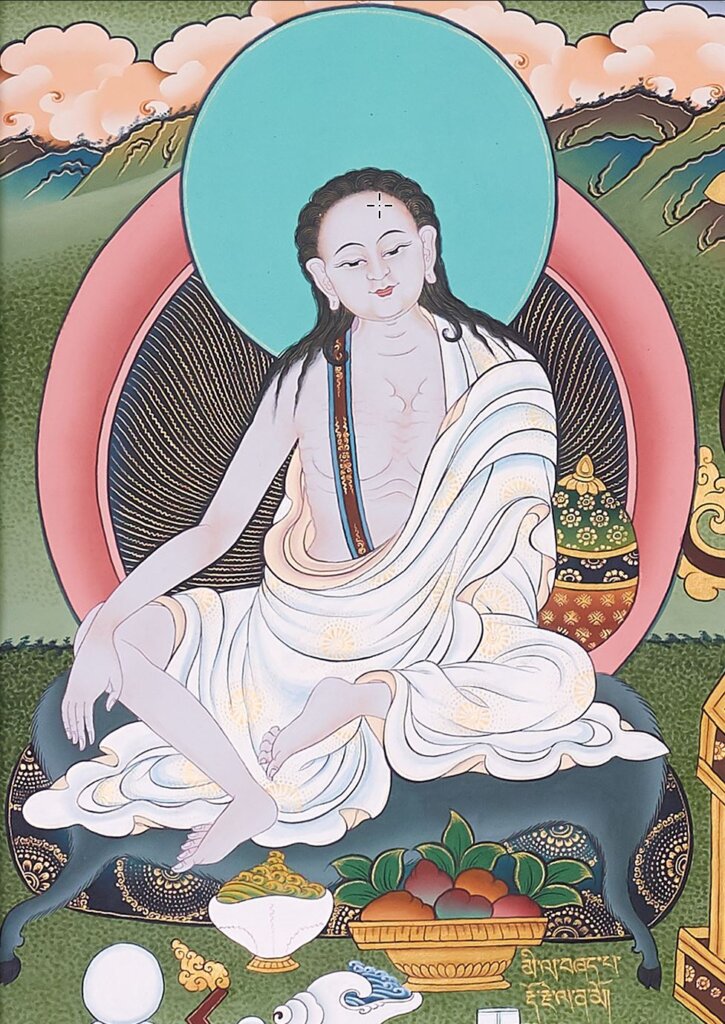
The Dance of Existence: Embracing Impermanence
Milarepa's poignant assertion, "Births end in death," encapsulates the profound truth of impermanence that permeates our existence. This statement serves as a stark reminder that every beginning inevitably leads to an end, a cycle that defines the human experience. Understanding this reality is essential for cultivating a deeper awareness of life, prompting us to reflect on the transient nature of our joys, sorrows, and relationships. In recognizing this truth, we are invited to live more fully, embracing each moment with gratitude and presence.
As we delve into the essence of this quote, we uncover layers of meaning that challenge our conventional perceptions of life and death. The acknowledgment of impermanence is not merely a philosophical exercise; it is a call to engage with the world in a more authentic way. By confronting the inevitability of death, we can cultivate a sense of urgency and appreciation for the present, allowing us to live with intention and purpose. This understanding can transform our approach to both the mundane and the extraordinary, urging us to cherish the fleeting moments that make up our lives.
The image / the metaphor
At its core, Milarepa's quote evokes a vivid image of the cyclical nature of existence. The word "birth" conjures the joy and potential of new beginnings, while "death" starkly contrasts this with the finality that follows. The verbs chosen—"births" and "end"—suggest a dynamic process, one that is both beautiful and tragic. This interplay between creation and cessation resonates deeply within us, as we navigate our own experiences of loss and renewal.
Delving deeper into the metaphor, we see that Milarepa is not merely stating a fact; he is inviting us to reflect on the implications of this cycle. The inevitability of death serves as a backdrop against which the vibrancy of life is illuminated. In recognizing that every birth is accompanied by the shadow of death, we are encouraged to appreciate the ephemeral nature of our experiences. This awareness can lead to a profound transformation in how we relate to ourselves and others, fostering a sense of compassion and interconnectedness.
In the speaker's tradition
Milarepa, a revered figure in Tibetan Buddhism, embodies the teachings of impermanence and the transient nature of existence. His life story, marked by profound suffering and eventual enlightenment, illustrates the core Buddhist concepts of dharma and sunyata, or emptiness. The understanding that all phenomena are impermanent is central to Buddhist philosophy, encouraging practitioners to cultivate non-attachment and mindfulness. In this light, Milarepa's words resonate with the teachings of the Four Noble Truths, which emphasize the reality of suffering and the path to liberation through understanding its nature.
In the context of Buddhist texts, the Heart Sutra offers a poignant reflection on the nature of emptiness, stating, "Form is emptiness, emptiness is form." This echoes Milarepa's assertion, as both highlight the interconnectedness of life and death. By embracing the concept of sunyata, we can begin to see that our attachments to life and the fear of death are rooted in misunderstanding. Instead, we are invited to engage with the world from a place of awareness, recognizing that both birth and death are integral to the unfolding of existence.
Living the teaching
Consider a modern scenario where this teaching resonates: a loved one receiving a terminal diagnosis. In this moment, the stark reality of impermanence becomes painfully clear, prompting a reevaluation of priorities and relationships. The knowledge that time is limited can inspire deeper connections, encouraging us to express love and gratitude openly. This situation serves as a powerful reminder to cherish each moment, transforming the way we engage with our loved ones and ourselves.
Alternatively, we might apply this teaching in the context of a difficult moment in our lives, such as the end of a significant relationship. The pain of loss can be overwhelming, yet it also offers an opportunity for growth and self-discovery. By embracing the reality that all things are transient, we can learn to let go of attachments and expectations, allowing space for healing and new beginnings. This practice of acceptance fosters resilience, enabling us to navigate life's challenges with grace and understanding.
A reflection
As we contemplate Milarepa's profound insight, we are invited to reflect on our own relationship with impermanence. How does the awareness of life's transience shape the way we live, love, and engage with the world? In what ways can we cultivate a deeper appreciation for the present moment, recognizing that each experience is both a gift and a fleeting occurrence? By pondering these questions, we can begin to embody the wisdom of impermanence, allowing it to guide us toward a more meaningful existence.
