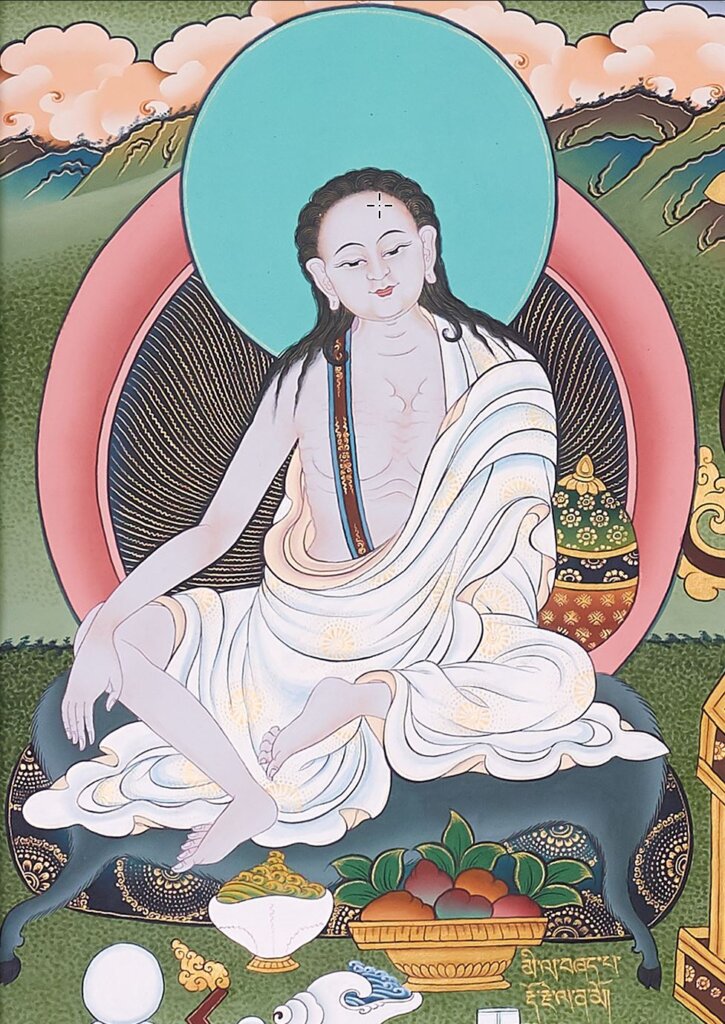
The Art of Letting Go: Milarepa's Wisdom on Renunciation
Milarepa's profound assertion that "Renunciation is not throwing away material things — it is throwing away clinging to them" invites us to reconsider our relationship with the material world. This statement emphasizes that true renunciation transcends mere physical detachment; it speaks to the deeper psychological and emotional ties we form with our possessions and desires. In a society that often equates success with accumulation, Milarepa's wisdom serves as a gentle reminder that liberation lies not in the rejection of the material but in the release of our attachment to it.
To grasp the essence of Milarepa's teaching, we must delve into the nature of clinging itself. Clinging is not merely a habit; it is a profound entanglement that shapes our identity and influences our actions. By recognizing that our suffering often stems from our attachments, we can begin to understand the transformative power of renunciation. This teaching is not about asceticism or deprivation; rather, it is an invitation to cultivate a sense of freedom and spaciousness within ourselves, allowing us to engage with the world without being ensnared by it.
The image / the metaphor
At the heart of Milarepa's quote lies a rich tapestry of imagery that evokes the act of letting go. The verbs "throwing away" and "clinging" conjure a dynamic interplay between action and restraint. When we think of throwing something away, we envision a decisive act, a release of physical objects. However, clinging suggests a struggle, a grasping that often leads to suffering. This contrast between the act of renunciation and the emotional weight of attachment paints a vivid picture of the inner turmoil many experience as they navigate their desires.
Diving deeper into the metaphor, we can see that clinging is akin to a vine that wraps itself tightly around a tree, stifling its growth. The act of renunciation, then, is not merely about cutting the vine but understanding its roots and the soil in which it thrives. It is a process of untangling our identities from our possessions and desires, allowing us to flourish in our true essence. This metaphor invites us to reflect on what it means to live freely, unencumbered by the weight of our attachments.
In the speaker's tradition
Milarepa's teachings are deeply embedded in the Buddhist tradition, where concepts such as dharma and sunyata (emptiness) play pivotal roles. Renunciation, in this context, is not a rejection of life but an embrace of the impermanence that characterizes all phenomena. The practice of letting go aligns with the Buddhist understanding of suffering (dukkha) and the path to liberation (nirvana). By relinquishing our clinging, we can experience the profound truth of sunyata, recognizing that our identities are not fixed but fluid, shaped by our perceptions and attachments.
In the context of Milarepa's life, his journey of transformation from a life of vengeance to one of enlightenment exemplifies this teaching. His songs, as recorded in the "Songs of Milarepa," reflect a deep understanding of the nature of suffering and the liberation that comes from renunciation. One poignant moment in his life illustrates this: after enduring immense hardship, he realized that his suffering was rooted in his attachments, leading him to embrace a path of profound renunciation that ultimately brought him peace and enlightenment.
Living the teaching
Consider a modern scenario where this teaching resonates: a person grappling with the desire for material success. In a culture that glorifies wealth and possessions, one might find themselves constantly striving for more—more money, more recognition, more things. Yet, as they accumulate, they may also feel an increasing sense of emptiness and dissatisfaction. By reflecting on Milarepa's wisdom, this individual can begin to recognize that their clinging to these external markers of success is what truly binds them. The act of renunciation, then, becomes a journey toward redefining success in terms of inner peace and fulfillment rather than external validation.
Another application of this teaching can be found in relationships. Imagine a person who clings to the idea of a perfect partnership, leading to disappointment and resentment when reality falls short. By embracing Milarepa's insight, they can learn to let go of unrealistic expectations and attachments, allowing for a more authentic connection with their partner. This shift from clinging to acceptance opens the door to deeper intimacy and understanding, fostering a relationship grounded in love rather than possession.
A reflection
As we contemplate Milarepa's profound teaching, we are invited to ask ourselves: What are the attachments in my life that cause me suffering? In what ways can I practice letting go, not just of material possessions but of the emotional and psychological clinging that weighs me down? This inquiry encourages us to explore the nature of our desires and the freedom that lies in renunciation, guiding us toward a more liberated existence.
