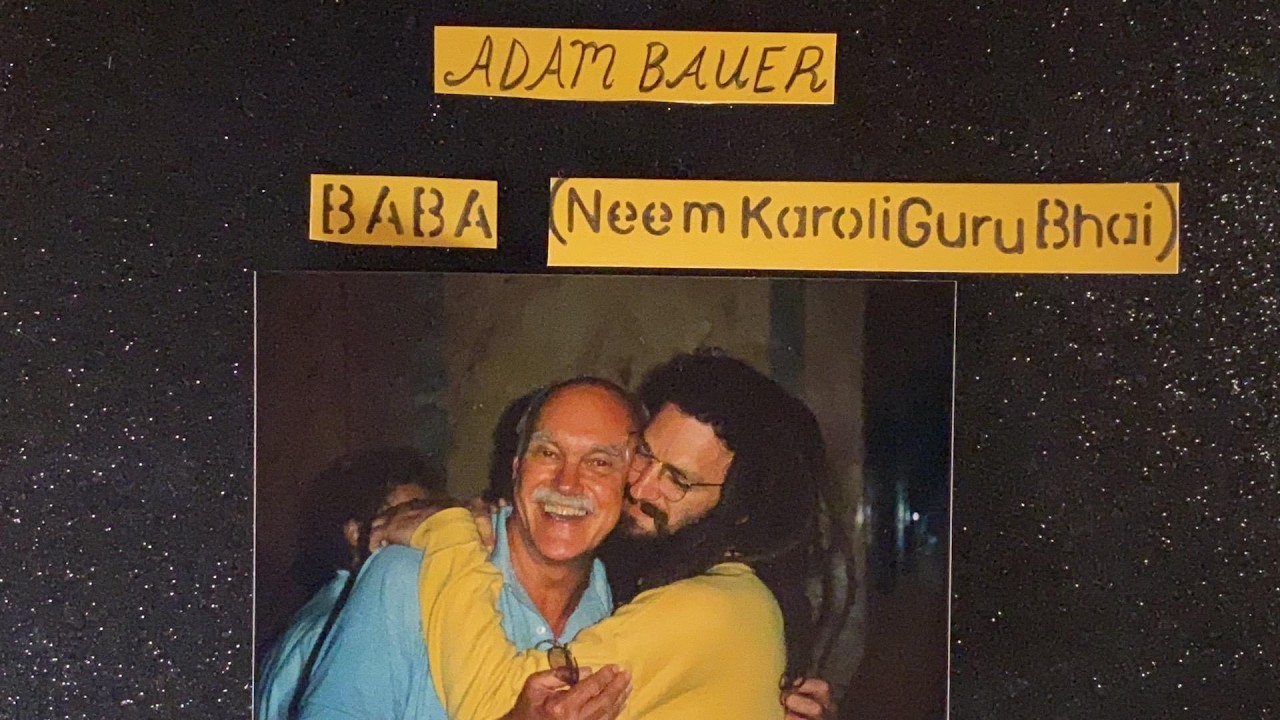
Neem Karoli Baba's assertion that "anger has no place in the heart of a devotee" invites us to reflect deeply on the nature of devotion and the emotional landscapes we navigate. In a world often characterized by conflict and discord, this statement serves as a profound reminder of the inner sanctum that true devotion demands. It challenges us to examine how anger, a powerful and often destructive emotion, can obstruct our spiritual journey and dilute our capacity for love and compassion.
To truly grasp the weight of this teaching, we must consider the implications of harboring anger within our hearts. Anger can act as a barrier, clouding our perception and distorting our relationships with others and ourselves. In the context of bhakti, or devotional practice, the heart is seen as a sacred space where divine love resides. Thus, the presence of anger not only disrupts our inner peace but also distances us from the divine connection that bhakti seeks to cultivate.
The image / the metaphor
At its core, the quote evokes a vivid image of the heart as a sanctuary, a place where devotion flourishes and divine love is nurtured. The choice of the word "place" suggests a physicality to the heart, emphasizing its importance as a dwelling for spiritual emotions. Anger, in this context, is portrayed as an unwelcome guest—one that disrupts the harmony and tranquility essential for genuine devotion to thrive. The verbs "has" and "place" imply a sense of ownership and belonging, underscoring the idea that a devotee must actively cultivate an environment free from anger.
Diving deeper into the metaphor, we can see that the heart is not merely a physical organ but a symbol of our emotional and spiritual state. When anger resides within, it can overshadow the light of love and compassion, creating a tumultuous inner landscape that hinders our ability to connect with the divine. The metaphor of the heart as a garden, where only the flowers of love and devotion should bloom, becomes apparent. In this garden, anger is a weed that must be uprooted to allow for the flourishing of spiritual growth.
In the speaker's tradition
Neem Karoli Baba's teachings are deeply rooted in the tradition of bhakti, which emphasizes love and devotion to the divine as the path to spiritual realization. In this context, anger can be viewed as a manifestation of the ego, which bhakti seeks to transcend. Concepts such as dharma—the moral and ethical duties that guide our actions—and kenosis, the self-emptying love that allows for divine presence, are integral to understanding how anger disrupts our spiritual path. The practice of bhakti encourages us to cultivate qualities like humility, compassion, and forgiveness, which stand in stark contrast to the divisive nature of anger.
In the Bhagavad Gita, a foundational text in the bhakti tradition, we find the exhortation to act without attachment to the fruits of our actions. This teaching aligns with Neem Karoli Baba's message, as it invites us to release the anger that arises from unmet expectations or perceived injustices. By embracing a mindset of surrender and devotion, we can transform our emotional responses and align ourselves more closely with the divine will, thus creating a heart that is truly open and receptive.
Living the teaching
Consider a modern scenario where this teaching might resonate: a workplace conflict where frustration and anger bubble to the surface. In such moments, it is easy to become ensnared in a cycle of blame and resentment, allowing these emotions to dictate our actions. However, by recalling Neem Karoli Baba's wisdom, we can choose to respond with compassion rather than anger. This shift not only fosters a healthier work environment but also aligns our actions with the principles of bhakti, allowing us to embody the love and understanding that our spiritual practice calls for.
Another application of this teaching can be found in personal relationships, particularly during moments of disagreement or misunderstanding. When faced with a loved one’s actions that provoke anger, we have the opportunity to pause and reflect on the nature of our feelings. By recognizing that anger has no place in the heart of a devotee, we can cultivate a response rooted in empathy and understanding. This practice not only deepens our connections but also transforms our interactions into opportunities for growth and healing.
A reflection
As we contemplate Neem Karoli Baba's profound statement, we are invited to examine our own hearts and the emotions we harbor within. What does it mean for us to create a space devoid of anger, and how might this transformation impact our spiritual journey? In moments of conflict or frustration, how can we consciously choose love over anger, allowing our hearts to resonate with the divine essence of bhakti? These questions serve as a guiding light, encouraging us to reflect on our emotional landscapes and the ways in which we can cultivate a heart that is truly devoted.