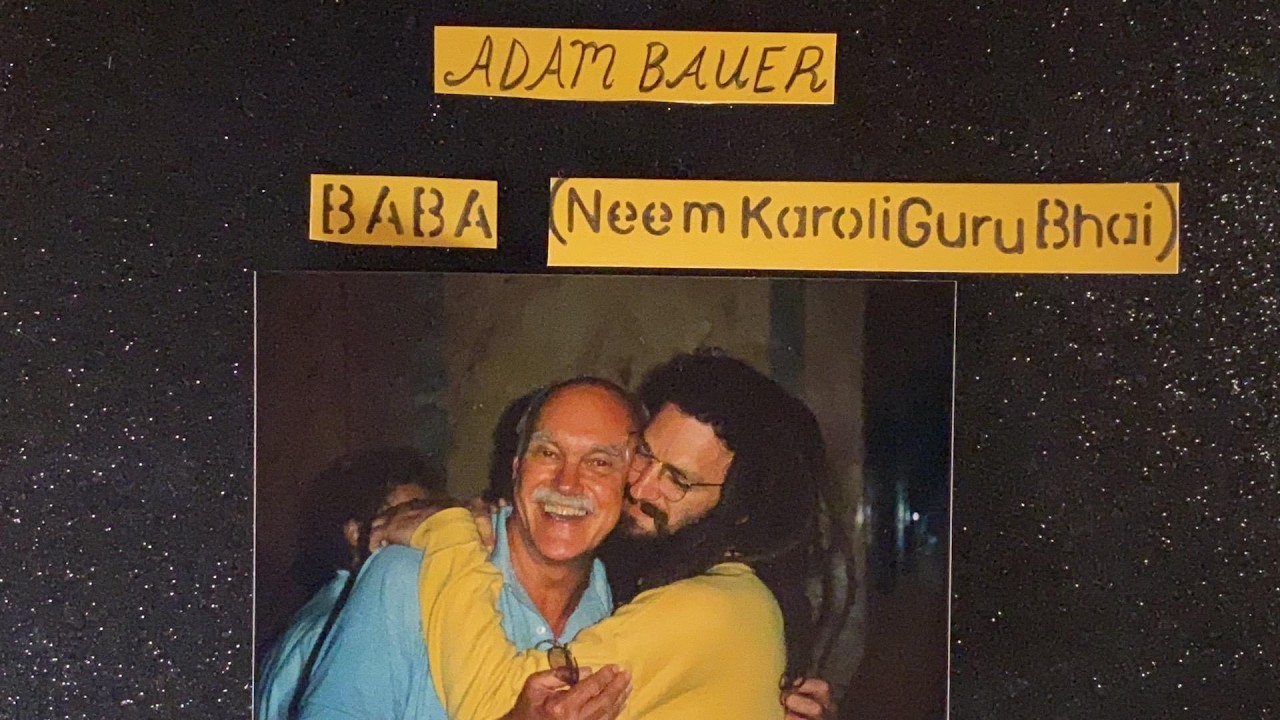
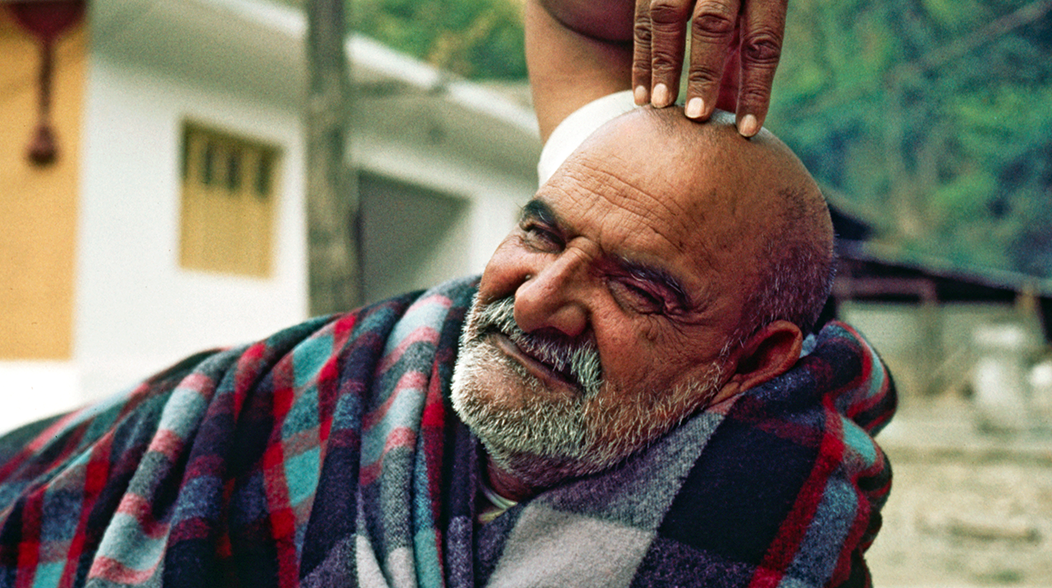
“Be like Hanuman. Be the heart that never fails.” In this profound exhortation from Neem Karoli Baba, we are invited to embody the unwavering devotion and strength exemplified by Hanuman, the revered figure in Hindu mythology. This call to action resonates deeply within the bhakti tradition, where the heart is not merely an organ but a symbol of love, courage, and fidelity. The stakes are high; to cultivate such a heart is to engage in a lifelong journey of devotion, resilience, and selflessness, ultimately leading us toward a deeper connection with the divine and with each other.
In a world often marked by uncertainty and emotional turbulence, the notion of a heart that never fails serves as a beacon of hope and inspiration. It challenges us to rise above our fears and doubts, to embrace the qualities of loyalty and compassion that Hanuman embodies. This teaching is not just about personal fortitude; it is a call to serve others with an open heart, to be a source of strength and love in our communities. The essence of this message lies in the transformative power of devotion, urging us to cultivate a heart that remains steadfast, even in the face of adversity.
The image / the metaphor
The imagery of Hanuman, the monkey god, evokes a sense of boundless energy and devotion. In Hindu lore, Hanuman is celebrated for his unwavering loyalty to Lord Rama, demonstrating that true strength lies in love and service. The phrase “the heart that never fails” suggests a heart that is resilient, capable of enduring trials without losing its capacity for love and compassion. The verbs “be” and “never fails” imply an active engagement with life, a commitment to embodying these qualities in every moment.
Diving deeper into the metaphor, we find that Hanuman represents not just a figure of devotion but an archetype of the ideal devotee. His heart is a vessel of divine love, untainted by ego or fear. To be like Hanuman is to embrace a state of being where love flows freely, undeterred by the challenges we face. This metaphor invites us to reflect on our own hearts: Are we willing to cultivate the same unwavering devotion and resilience in our lives? Can we aspire to be a source of strength for others, just as Hanuman was for Rama?
In the speaker's tradition
Neem Karoli Baba's teachings are deeply rooted in the bhakti tradition, which emphasizes love and devotion as the primary means of connecting with the divine. Central to this tradition is the concept of bhakti itself, which encourages surrender and selfless love toward God. In this context, the heart becomes a sacred space where divine love is both received and expressed. The idea of kenosis, or self-emptying, resonates here; to embody the heart that never fails is to let go of the ego and allow divine love to flow through us.
In the Bhagavad Gita, we find a parallel to this teaching in the concept of surrendering one's will to the divine. Krishna advises Arjuna to act without attachment to the fruits of his actions, embodying the essence of devotion and selflessness. This aligns beautifully with Neem Karoli Baba's call to be like Hanuman, as both teachings emphasize the importance of unwavering commitment to a higher purpose, transcending personal desires for the sake of love and service.
Living the teaching
Consider a modern scenario where this teaching can be applied: a friend is going through a difficult time, perhaps facing a personal crisis or loss. In such moments, embodying the heart that never fails means being present, offering support, and demonstrating unwavering love. It requires us to set aside our own discomfort and fears, allowing our hearts to open fully to another's pain. This act of devotion can be transformative, not only for the one receiving support but also for ourselves, as we cultivate a deeper sense of connection and purpose.
Another application of this teaching can be found in our relationships, particularly during conflicts or misunderstandings. When faced with discord, embodying Hanuman’s heart means approaching the situation with compassion and understanding rather than defensiveness. It invites us to listen deeply and respond with love, even when it feels challenging. By doing so, we create space for healing and reconciliation, reinforcing the idea that a heart rooted in devotion can navigate even the most turbulent waters with grace.
A reflection
As we contemplate Neem Karoli Baba's invitation to “be like Hanuman,” we might ask ourselves: In what ways can I cultivate a heart that never fails in my daily life? This question invites us to reflect on our capacity for love, resilience, and service. It challenges us to consider how we can embody the qualities of devotion and strength in our interactions with others, ultimately leading us toward a more profound connection with the divine and with the world around us.