The Dance of Softness and Strength
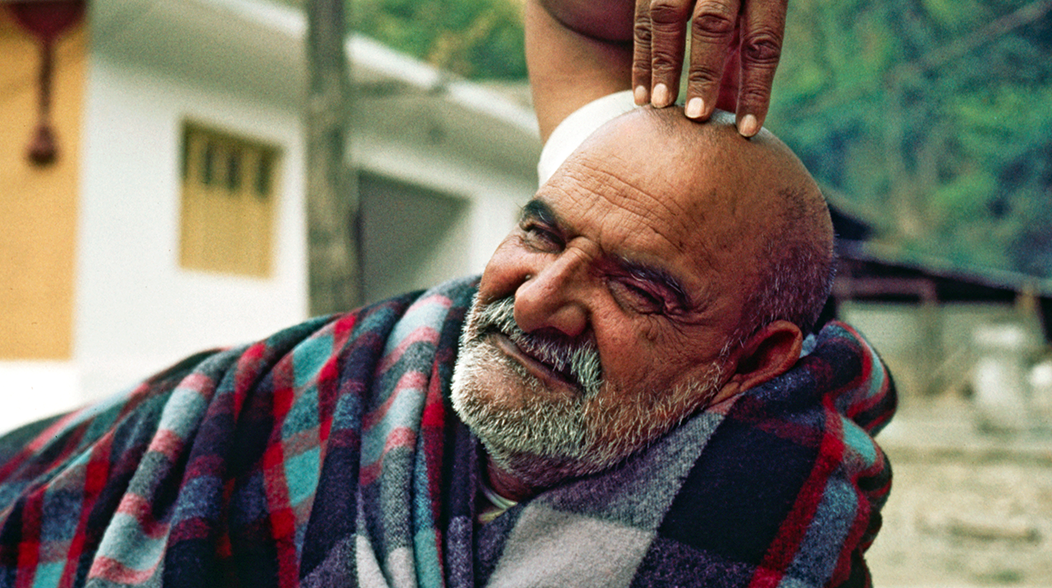
Neem Karoli Baba's evocative quote, "Be soft like a flower. Strong like a thunderbolt," invites us to explore the delicate balance between gentleness and power. In a world often dominated by the harshness of competition and aggression, this wisdom serves as a reminder that true strength does not require the abandonment of softness. Rather, it suggests that the most profound resilience can emerge from a heart that remains tender and open, even amidst life's storms. This duality is not merely a poetic flourish; it is a call to embody a holistic approach to existence, one that honors both vulnerability and fortitude.
As we delve deeper into this quote, we uncover layers of meaning that resonate with our everyday experiences. The imagery of a flower evokes beauty, fragility, and the capacity for growth, while the thunderbolt symbolizes raw power and transformative energy. Together, they illustrate a dynamic interplay between opposing forces, urging us to cultivate a life that embraces both softness and strength. This balance is essential not only for personal well-being but also for fostering harmonious relationships and communities, where compassion and resilience coexist.
The image / the metaphor
The imagery of being "soft like a flower" conjures a sense of gentleness, inviting us to consider the qualities of kindness, empathy, and openness. Flowers, in their delicate beauty, remind us of the importance of nurturing ourselves and others. They flourish in the light, yet they also require care and attention to thrive. In contrast, the phrase "strong like a thunderbolt" evokes a sense of sudden, impactful energy—an undeniable force that can shatter barriers and illuminate the darkness. The juxtaposition of these two images creates a rich tapestry of meaning, suggesting that true strength is not about aggression but rather about the ability to respond with clarity and conviction when the moment calls for it.
In the speaker's tradition
Neem Karoli Baba's teachings are deeply rooted in the tradition of bhakti, which emphasizes devotion and love as pathways to spiritual realization. Within this framework, the concepts of dharma and kenosis resonate strongly with the quote's themes. Dharma, or righteous duty, encourages us to act with integrity and compassion, while kenosis, the act of self-emptying, invites us to let go of ego-driven desires in favor of a more profound connection with the divine and with others. This interplay of softness and strength is essential in bhakti, where the heart's devotion fuels both gentle love and unwavering commitment.
In the Bhagavad Gita, a foundational text of the bhakti tradition, we find echoes of this duality in the character of Arjuna, who embodies both vulnerability and courage. Faced with the moral dilemmas of battle, he initially falters, revealing his softness, yet ultimately rises to embrace his duty with strength. This narrative illustrates that the journey of self-discovery often requires us to navigate the delicate balance between our fears and our responsibilities, embodying both the flower's grace and the thunderbolt's power as we seek to fulfill our purpose.
Living the teaching
Consider a modern scenario where this teaching might resonate: a workplace conflict that requires both empathy and assertiveness. Imagine a colleague who is struggling with a project, feeling overwhelmed and defeated. In this moment, embodying the softness of a flower allows you to approach them with compassion, offering support and understanding. Yet, when the situation calls for it, channeling the strength of a thunderbolt enables you to advocate for necessary changes, ensuring that the team can move forward effectively. This balance of gentleness and assertiveness not only fosters a supportive environment but also cultivates a culture of resilience.
In the realm of personal relationships, the quote's wisdom can be applied during moments of tension or disagreement. When faced with a loved one's distress, the softness of a flower encourages us to listen deeply and respond with kindness, creating a safe space for vulnerability. However, there may also be times when it is necessary to assert boundaries or express our own needs with clarity and strength. By integrating both aspects into our interactions, we can nurture relationships that are both tender and robust, allowing for growth and healing even in challenging circumstances.
A reflection
As we contemplate Neem Karoli Baba's profound words, we are invited to reflect on our own lives: How can we cultivate a balance between softness and strength in our daily interactions? In what ways might we allow our hearts to remain open while also standing firm in our convictions? This inquiry encourages us to explore the dynamic interplay of these qualities within ourselves, guiding us toward a more harmonious existence that honors both our vulnerabilities and our inherent power.