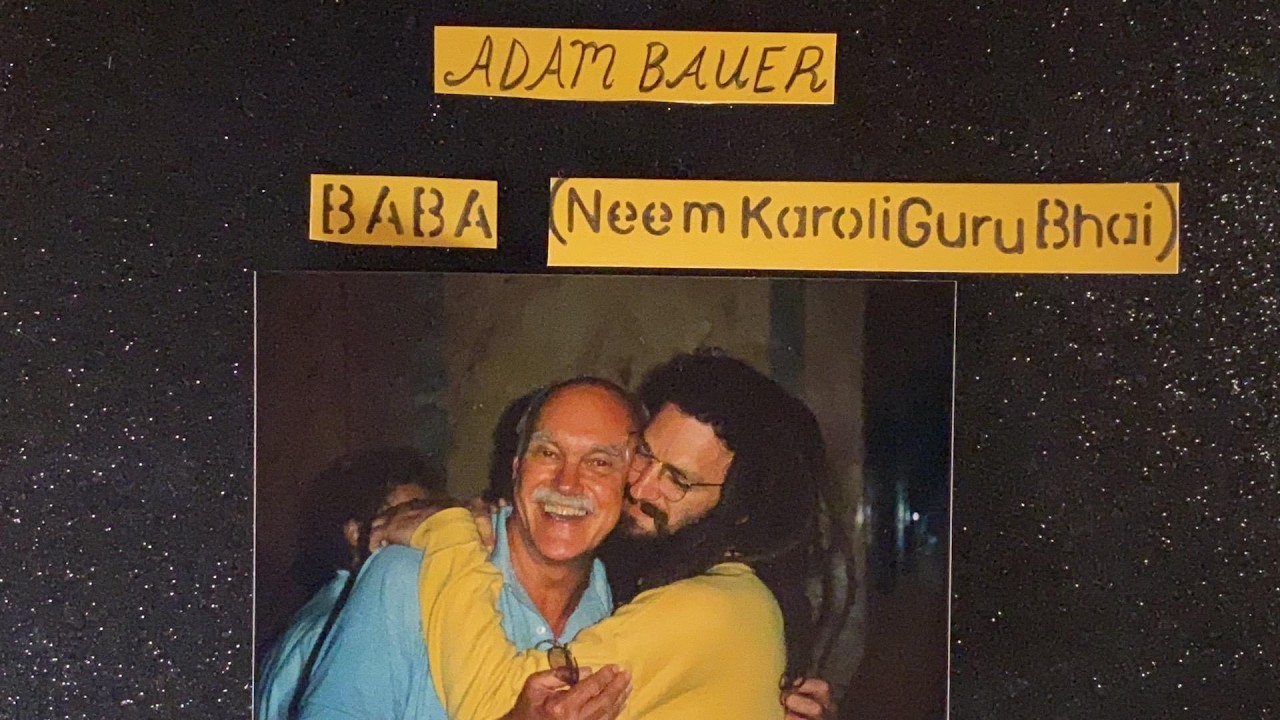
When Neem Karoli Baba, affectionately known as Maharaj-ji, states, "Maharaj-ji is the same as your own heart," he invites us to explore the profound connection between the guru and the inner self. This assertion transcends mere identification; it suggests that the essence of spiritual guidance resides within us, echoing the deepest truths of our being. The stakes of this realization are immense, as it challenges us to look inward for wisdom and love, rather than seeking it solely in external figures.
In a world often characterized by separation and disconnection, this quote serves as a reminder of the unity that exists between the teacher and the student, the divine and the human. It beckons us to recognize that the heart—often seen as the seat of emotion and intuition—holds the key to understanding our spiritual path. By acknowledging that Maharaj-ji embodies the same essence as our own heart, we are encouraged to cultivate a deeper relationship with ourselves, fostering an inner landscape rich with love, compassion, and understanding.
The image / the metaphor
The imagery in Maharaj-ji's words is strikingly intimate. By equating himself with our own heart, he employs a metaphor that suggests an inseparable bond between the seeker and the sought. The heart, in many spiritual traditions, is not merely a physical organ but a symbol of our innermost being, the core of our existence where love and truth reside. This connection implies that the wisdom we seek from our guru is not external but rather an awakening of what is already present within us.
Diving deeper into this metaphor, we can see that it speaks to the transformative power of recognizing the divine within ourselves. Maharaj-ji’s assertion encourages us to dissolve the barriers we often erect between ourselves and the divine, suggesting that the qualities we admire in our guru—compassion, wisdom, and love—are also inherent in us. This realization can lead to a profound shift in our spiritual practice, as we begin to see ourselves not as separate from the divine but as an integral part of its unfolding expression.
In the speaker's tradition
Neem Karoli Baba's teachings are deeply rooted in the bhakti tradition, which emphasizes devotion and love for the divine as a path to spiritual realization. In this context, the concept of bhakti is not merely about worshipping an external deity but recognizing that the divine presence is also within us. This inner recognition aligns with the idea of dharma, where one’s true nature and purpose are discovered through devotion and surrender. The heart, as the seat of love and devotion, becomes a sacred space where the guru and the disciple meet.
In the Bhagavad Gita, a foundational text in the bhakti tradition, Lord Krishna speaks of the importance of seeing the divine in all beings. This perspective resonates with Maharaj-ji's assertion, as it encourages us to perceive the essence of our guru as a reflection of our own heart. The Gita teaches that when we act from a place of love and devotion, we align ourselves with the greater cosmic order, allowing us to experience the unity of all existence. This interconnectedness is a central theme in bhakti, reminding us that our spiritual journey is both personal and universal.
Living the teaching
Consider a modern scenario where this teaching can be applied: a moment of frustration or disconnection in a relationship. When faced with conflict, we often seek external validation or guidance, forgetting that the answers we seek may already reside within us. By reflecting on Maharaj-ji's words, we can shift our perspective, recognizing that the qualities we admire in our partner—patience, understanding, love—are also qualities we can cultivate within ourselves. This internal shift can transform our approach to conflict, allowing us to respond with compassion rather than reactivity.
Another application of this teaching can be found in daily practices such as meditation or mindfulness. When we sit in silence, we often search for external sources of peace or enlightenment. However, by embracing the idea that Maharaj-ji embodies our own heart, we can approach our practice with a sense of trust in our inner wisdom. This perspective encourages us to listen deeply to our thoughts and feelings, recognizing them as expressions of the divine presence within. In doing so, we cultivate a more profound connection to ourselves and the world around us.
A reflection
As we contemplate the depth of Maharaj-ji's statement, we are invited to ask ourselves: How can I cultivate a deeper relationship with my own heart, recognizing it as a reflection of the divine? This question encourages us to explore the ways in which we can honor our inner wisdom and the qualities we admire in others. By fostering this connection, we not only deepen our spiritual practice but also enrich our relationships and interactions with the world.