Seeing the Divine in Every Face
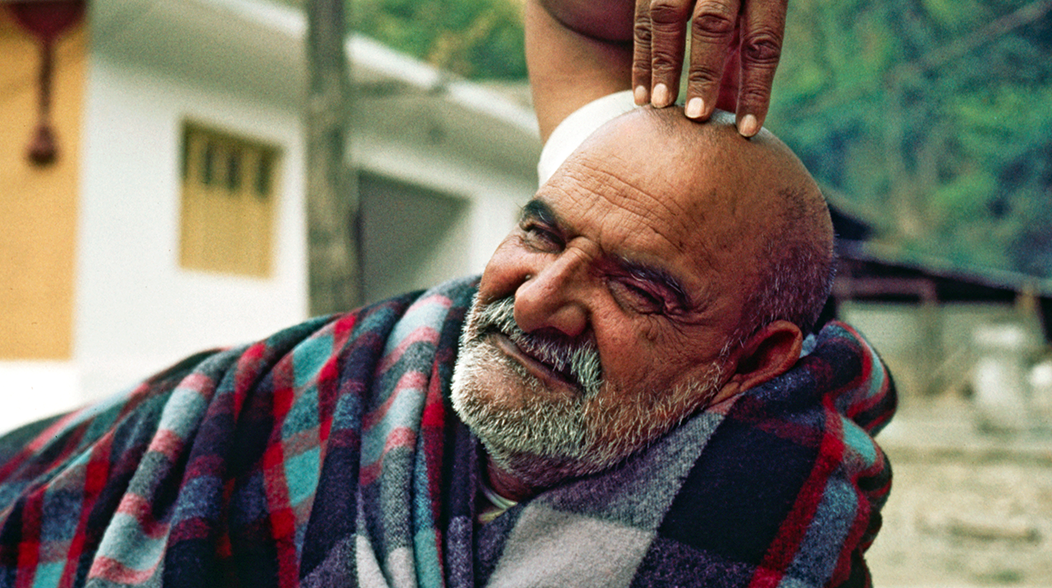
“See God in everyone.” This profound statement by Neem Karoli Baba invites us to transcend the boundaries of individuality and recognize the divine essence that resides within each person. In a world often marked by division and conflict, this teaching serves as a powerful reminder of our interconnectedness and the sacredness inherent in every human being. It challenges us to cultivate a perspective that honors the divine spark in others, urging us to foster compassion, empathy, and love in our interactions.
At its core, this quote encapsulates the essence of bhakti, the devotional path that emphasizes love and surrender to the divine. By encouraging us to see God in everyone, Neem Karoli Baba not only calls us to a higher understanding of our relationships but also invites us to reflect on our own spiritual journey. This perspective shifts our focus from the external differences that often separate us to the internal unity that binds us all together, illuminating the path toward a more harmonious existence.
The image / the metaphor
The imagery in the phrase “See God in everyone” evokes a vision of the divine as a universal presence, accessible and visible in the faces of those around us. The verb “see” implies an active engagement, a conscious choice to look beyond superficial appearances and recognize the deeper truth of existence. This act of seeing is not merely a passive observation; it is an invitation to cultivate a discerning heart that perceives the sacred in the mundane, transforming our everyday interactions into opportunities for spiritual awakening.
In the speaker's tradition
Neem Karoli Baba's teaching is rooted in the rich tradition of bhakti, which emphasizes devotion and love as pathways to experiencing the divine. Central to this tradition is the concept of dharma, or righteous living, which encourages individuals to act in ways that honor the interconnectedness of all life. The practice of seeing God in everyone aligns with the bhakti ideal of surrendering the ego and recognizing the divine presence in all beings, a concept echoed in the teachings of various saints and sages throughout history.
In the Bhagavad Gita, for instance, Lord Krishna speaks of seeing the divine in all creatures, urging Arjuna to recognize the unity of existence. This notion of seeing beyond the physical form to the underlying essence is also reflected in the teachings of Ramakrishna and other luminaries who have emphasized the importance of perceiving the divine in every interaction. Such teachings remind us that the journey of bhakti is not merely a personal endeavor but a collective awakening to the divine presence that permeates all of creation.
Living the teaching
Consider a modern scenario where this teaching can be applied: a bustling city street filled with diverse individuals, each with their own stories and struggles. In such a setting, it is easy to become lost in the noise and chaos, viewing others as mere obstacles or inconveniences. However, by consciously choosing to see God in everyone we encounter, we can transform our perspective. A simple smile or a moment of genuine connection can shift the energy of the interaction, reminding us that we are all part of a larger tapestry of life, woven together by the threads of divinity.
Another application of this teaching can be found in our relationships, particularly during challenging moments. When faced with conflict or misunderstanding, the practice of seeing God in the other person can serve as a powerful tool for reconciliation. By recognizing the divine essence within our loved ones, we can approach disagreements with compassion and empathy, allowing us to navigate difficult conversations with grace. This practice not only deepens our connections but also fosters an environment of love and understanding, reinforcing the idea that we are all reflections of the same divine source.
A reflection
As we contemplate the profound teaching of Neem Karoli Baba, we are invited to reflect on our own perceptions and interactions. How often do we truly see the divine in those around us? In what ways can we cultivate a deeper awareness of the sacredness inherent in every person we encounter? By engaging with these questions, we open ourselves to a transformative journey that not only enriches our spiritual lives but also enhances our relationships and our experience of the world.