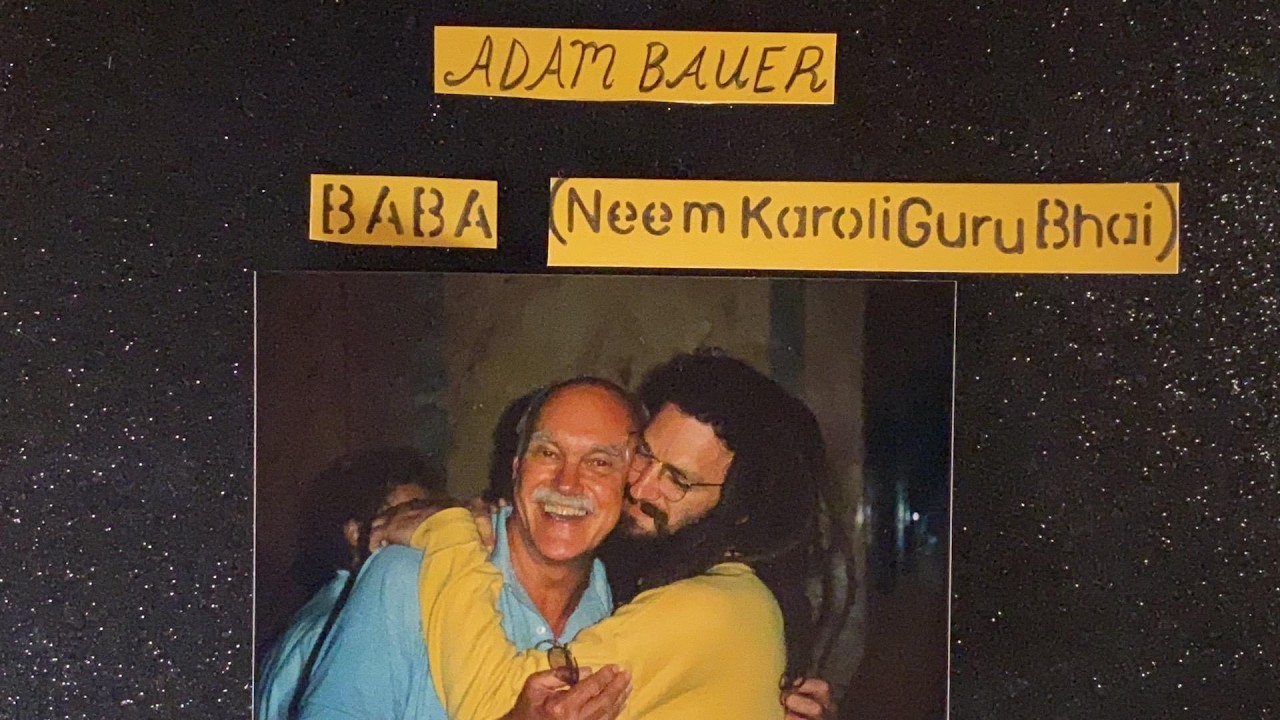
Neem Karoli Baba's profound statement, "To be Maharaj-ji's devotee is to belong to everyone," invites us to explore the essence of belonging through the lens of devotion. In this simple yet powerful assertion, we are reminded that true devotion transcends individual identity and personal attachments, weaving us into the fabric of a larger community. This notion of belonging is not merely social; it is spiritual, suggesting that our connection to the divine inherently connects us to all beings. Understanding this can transform our relationships and our sense of self, urging us to recognize the interconnectedness of all life.
As we delve deeper into this quote, we uncover layers of meaning that challenge conventional notions of belonging. In a world often marked by division and isolation, Maharaj-ji's words resonate as a call to unity. To belong to everyone is to dissolve the barriers that separate us, fostering a sense of kinship that transcends cultural, social, and personal differences. This radical inclusivity is at the heart of bhakti, the path of devotion, where love for the divine naturally extends to love for all beings. Thus, the journey of devotion becomes a journey toward universal belonging, inviting us to embrace our shared humanity.
The image / the metaphor
The imagery in Maharaj-ji's statement evokes a sense of warmth and openness, suggesting a vast, welcoming space where all are invited. The verb "belong" carries a weight of intimacy and connection, implying that to be a devotee is not merely to follow a path but to enter into a relationship with the world. This belonging is not exclusive; rather, it is expansive, encompassing everyone—friends, strangers, and even those we may perceive as adversaries. The felt sense of this belonging is akin to being enveloped in a loving embrace, where the boundaries of self dissolve and we find ourselves at home in the hearts of others.
Diving deeper into the metaphor, we can see that belonging to everyone is an invitation to cultivate compassion and empathy. It challenges us to move beyond self-centeredness and to recognize the divine spark in every individual. This perspective encourages us to see our lives as interconnected threads in a vast tapestry, where each thread contributes to the beauty of the whole. In this light, devotion becomes an act of service, a way of honoring the shared existence that binds us all together. The metaphor of belonging thus serves as a reminder that our spiritual journey is not solitary; it is a collective endeavor that flourishes in the soil of love and connection.
In the speaker's tradition
Neem Karoli Baba's teachings are deeply rooted in the tradition of bhakti, which emphasizes love and devotion as the primary means of connecting with the divine. In this context, the concept of belonging takes on a spiritual dimension, where the devotee recognizes that their love for God naturally extends to love for all beings. This idea resonates with the principle of dharma, which calls for righteous living and compassion toward others. The act of devotion, or bhakti, becomes a pathway to realizing our interconnectedness, inviting us to embody the qualities of humility, service, and love.
In the Bhagavad Gita, a foundational text in the bhakti tradition, we find echoes of this sentiment in Krishna's teachings on selfless action and devotion. The Gita emphasizes that when we act with love and devotion, we transcend the ego and align ourselves with the greater good. This alignment fosters a sense of belonging not only to the divine but also to the entire universe. Maharaj-ji's assertion can thus be seen as an invitation to live out the teachings of the Gita, where our devotion to God naturally leads us to embrace and serve all beings.
Living the teaching
Consider a modern scenario where this teaching might resonate: a community facing division due to differing opinions on a pressing social issue. In such a context, Maharaj-ji's words remind us that to be a devotee is to seek understanding and connection, even amidst disagreement. By approaching others with compassion and an open heart, we can foster dialogue that transcends our differences. This practice of belonging to everyone encourages us to listen deeply, to empathize, and to find common ground, ultimately transforming conflict into an opportunity for unity.
In a more personal context, think of a relationship that feels strained or distant. Maharaj-ji's teaching invites us to reflect on how we might cultivate a sense of belonging within that relationship. By embodying the qualities of devotion—patience, love, and understanding—we can bridge the gaps that separate us. This might involve reaching out with kindness, offering forgiveness, or simply being present for the other person. In doing so, we not only nurture our connection but also honor the deeper truth that we are all part of a larger whole, deserving of love and belonging.
A reflection
As we contemplate Maharaj-ji's profound statement, we are invited to consider: How can I embody a sense of belonging in my daily life, both to those I love and to those I find challenging? This question encourages us to explore the ways in which we can extend our hearts and minds beyond our immediate circles, fostering a spirit of inclusivity and compassion. In answering this question, we may discover new pathways to connection and a deeper understanding of our shared humanity.