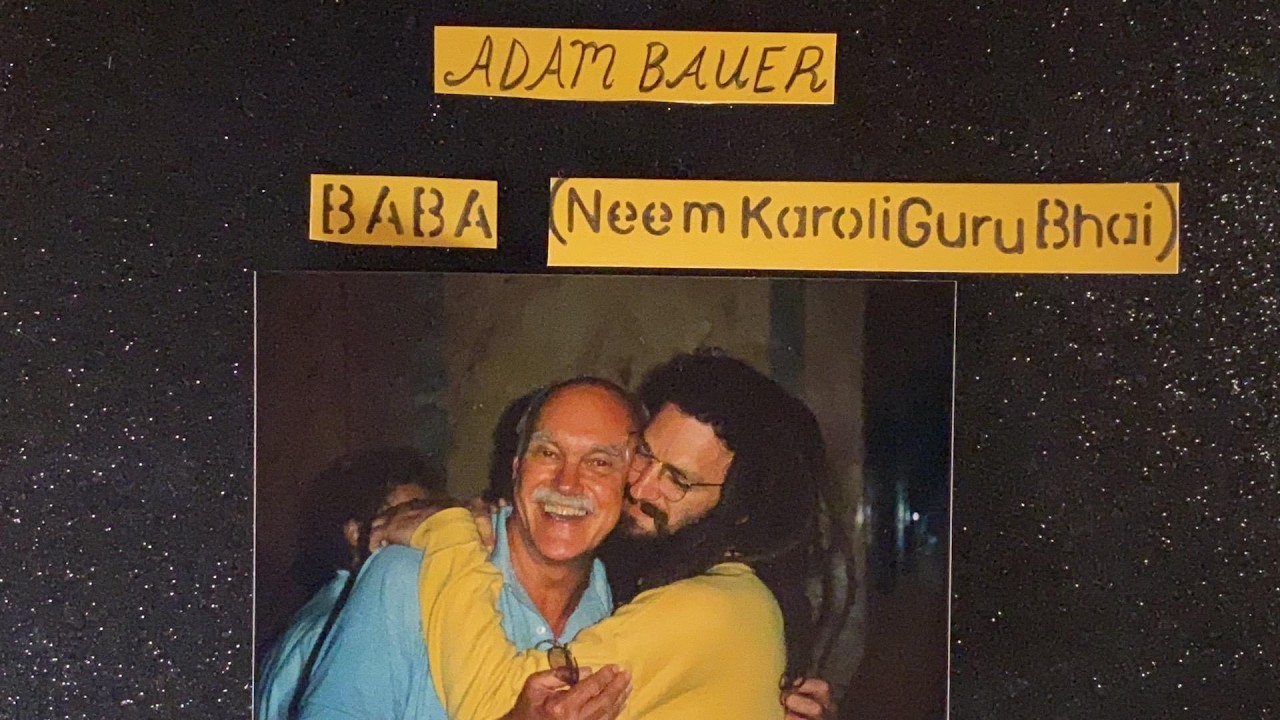
Neem Karoli Baba's assertion that "to laugh with others is to bless them" invites us to consider the profound impact of joy and connection in our lives. In a world often marked by division and strife, the simple act of laughter emerges as a powerful tool for fostering unity and goodwill. This quote serves as a reminder that our shared experiences of joy can transcend barriers, creating a sacred space where blessings are exchanged and relationships are deepened.
At its core, this statement encapsulates the essence of bhakti, the devotional path that emphasizes love and connection with others. Laughter, often seen as a spontaneous and light-hearted expression, carries with it the potential for deep spiritual significance. When we laugh together, we not only share a moment of joy but also participate in a collective blessing that nurtures our souls and strengthens our bonds with one another.
The image / the metaphor
To unpack the imagery of this quote, we must first consider the act of laughter itself. Laughter is a visceral response, a physical manifestation of joy that resonates within us and radiates outward. The verb "to bless" suggests an active engagement with others, an intentional act of goodwill that transforms a simple moment into something sacred. In this way, laughter becomes a bridge, connecting hearts and minds in a shared experience of lightness and love.
Diving deeper into the metaphor, we can see that laughter serves as a conduit for grace. It is not merely a reaction to humor but a spiritual practice that invites us to embrace the present moment. When we laugh with others, we acknowledge our shared humanity, dissolving the barriers of ego and separation. This act of connection becomes a blessing, a sacred exchange that enriches both the giver and the receiver, creating a ripple effect of joy that can extend far beyond the initial moment.
In the speaker's tradition
Neem Karoli Baba's teachings are deeply rooted in the bhakti tradition, which emphasizes devotion and love as pathways to spiritual realization. Central to this tradition is the concept of dharma, or righteous living, which encourages us to act in ways that uplift ourselves and others. Laughter, in this context, can be seen as an expression of our inherent divinity, a reminder that joy is a fundamental aspect of our spiritual journey. By laughing with others, we embody the principles of love and connection that are at the heart of bhakti.
Moreover, the notion of kenosis, or self-emptying, resonates with the idea of blessing through laughter. When we engage in shared joy, we momentarily set aside our individual concerns and open ourselves to the collective experience. This aligns with the teachings found in texts such as the Bhagavad Gita, where the importance of selfless action and connection with others is emphasized. In this way, laughter becomes a form of devotion, a practice that aligns us with the divine and fosters a sense of unity among all beings.
Living the teaching
Consider a modern scenario where this teaching can be applied: a workplace gathering where colleagues come together to celebrate a project’s success. In this setting, laughter flows freely as stories are shared and light-hearted banter ensues. This shared joy not only enhances camaraderie but also creates an atmosphere of blessing, where individuals feel valued and connected. The laughter exchanged in such moments can transform the workplace culture, fostering collaboration and mutual respect.
Another application of this teaching can be found in personal relationships, particularly during challenging times. Imagine a couple navigating a difficult conversation; the tension in the air is palpable. If one partner can introduce a moment of levity—a shared joke or a playful gesture—it can shift the energy in the room, allowing both individuals to reconnect and find common ground. In this way, laughter becomes a healing balm, a blessing that nurtures love and understanding even in the face of adversity.
A reflection
As we reflect on Neem Karoli Baba's insight, we might ask ourselves: How can I cultivate moments of shared laughter in my life, and what blessings might arise from these experiences? This question invites us to explore the ways in which joy can be intentionally woven into our interactions, encouraging us to seek out opportunities for connection and celebration. In doing so, we not only enrich our own lives but also contribute to the collective tapestry of joy that binds us all together.