The Essence Beyond Cause: Embracing the Causeless Reality
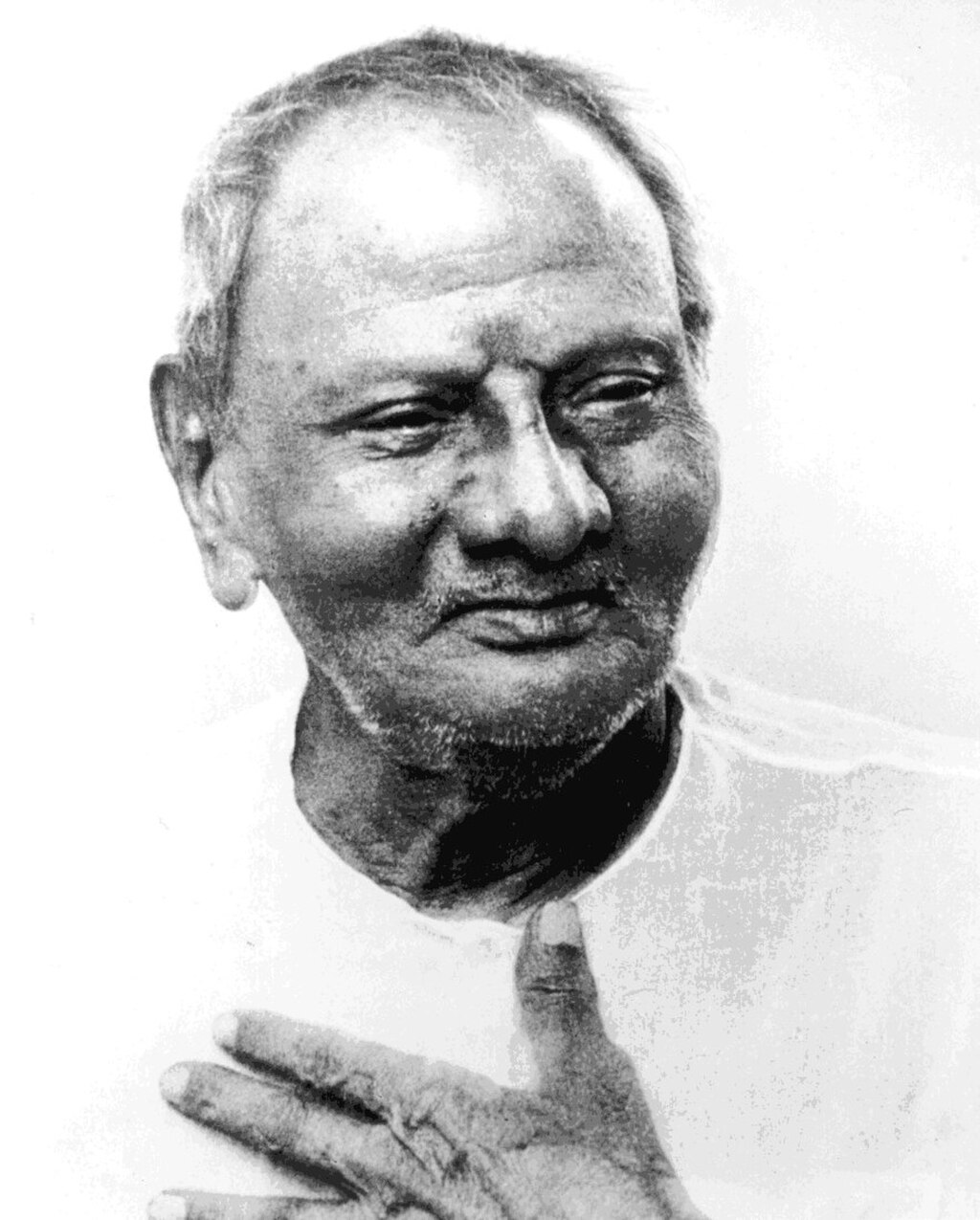
Nisargadatta Maharaj's assertion that "the real is causeless" invites us to explore the profound depths of existence beyond the chains of cause and effect. In a world where we are conditioned to seek explanations and justifications for every occurrence, this statement challenges our understanding of reality itself. It beckons us to consider a state of being that exists independently of the myriad conditions and circumstances that we often mistake for the essence of life. This exploration is not merely philosophical; it holds the potential to transform our perception of ourselves and the universe.
Delving deeper into this idea, we confront the notion that the essence of reality is not bound by the linear narratives of cause and effect. Instead, it suggests a fundamental truth that exists prior to all manifestations, a state of pure being that is untouched by the fluctuations of the material world. This perspective encourages us to look beyond the surface, to recognize that what we often perceive as reality is merely a reflection of deeper truths that are causeless and eternal. In this light, the quote serves as a reminder of the liberation that comes from recognizing our connection to this unconditioned essence.
The image / the metaphor
The phrase "the real is causeless" evokes a sense of profound stillness, a space where the usual dynamics of cause and effect dissolve into a more expansive understanding of existence. The word "real" here signifies not just what is observable but what is fundamentally true, a state of being that transcends the transient nature of our experiences. The term "causeless" suggests a freedom from the entanglements of the material world, where events are often seen as the result of preceding actions. This imagery invites us to envision a reality that is self-sustaining, existing in its own right without the need for external validation or justification.
In the speaker's tradition
Nisargadatta Maharaj's teachings are rooted in the non-dual tradition, which emphasizes the interconnectedness of all existence and the illusion of separateness. Concepts such as *sunyata* (emptiness) and *fana* (annihilation of the self) resonate deeply with the idea that the real is causeless. In this context, the causeless nature of reality aligns with the understanding that our perceptions are often clouded by attachment and desire, leading us away from the recognition of our true essence. The teachings encourage a return to the source, a realization that our essence is not contingent upon external circumstances but is inherent within us.
In his seminal work, *I Am That*, Maharaj articulates the importance of self-inquiry and the recognition of the self as the ultimate reality. This aligns with the notion of *prajna*, or wisdom, which arises from the direct experience of our true nature. By understanding that the real is causeless, we can begin to dismantle the layers of illusion that bind us to a limited perception of reality. This journey towards self-realization is not merely an intellectual exercise but a transformative process that leads to profound inner peace and liberation.
Living the teaching
Consider a modern scenario where an individual faces a significant life challenge, such as losing a job. In the immediate aftermath, the person may feel overwhelmed by the need to find a cause for this event, searching for reasons and explanations that provide comfort. However, embracing the teaching that "the real is causeless" invites a different perspective. Instead of becoming entangled in the narrative of loss, one can recognize this moment as an opportunity for growth and transformation, a chance to explore new paths that may not have been visible before. This shift in perception allows for a more expansive understanding of reality, where the individual can find strength in uncertainty rather than fear.
In relationships, this teaching can manifest in moments of conflict or misunderstanding. When faced with a disagreement, it is easy to become fixated on the causes of the discord, attributing blame or seeking justification for one’s feelings. However, by acknowledging that the essence of the relationship transcends these surface-level issues, one can cultivate a deeper compassion and understanding. This perspective encourages individuals to engage with one another from a place of love and acceptance, recognizing that the real connection between them is not contingent upon external circumstances but is rooted in a shared essence that is causeless and eternal.
A reflection
As we contemplate the profound statement that "the real is causeless," we are invited to reflect on our own lives and the narratives we construct around our experiences. What if we were to embrace the idea that our essence is not defined by the events that occur around us? In what ways might this understanding liberate us from the constraints of our conditioned responses? As you ponder these questions, consider how you might begin to live from a place of causelessness, allowing your true nature to emerge unencumbered by the stories of the past.


