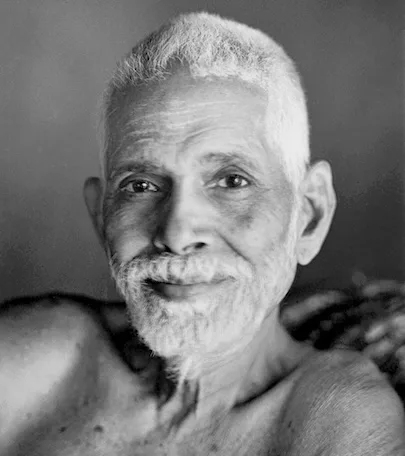
Walking the Path of Self-Discovery
Ramana Maharshi's poignant observation suggests that seeking to change the world without first understanding oneself is akin to attempting to shield oneself from the discomfort of life's realities by covering the earth with leather. Instead, he proposes a simpler solution: to wear shoes. This metaphor invites us to reflect on the importance of inner work and self-awareness as prerequisites for meaningful engagement with the world around us. The stakes are high; without this foundational understanding, our efforts to reform the external world may be misguided and ultimately futile.
In a world rife with challenges, the allure of activism and reform can often overshadow the quieter, yet equally vital, journey of self-discovery. Maharshi's wisdom implores us to recognize that true change begins within. By turning our gaze inward, we can cultivate a deeper understanding of our motivations, fears, and desires, which in turn informs how we interact with the world. This internal exploration is not merely a personal endeavor; it is a necessary precursor to any genuine attempt at societal transformation.
The image / the metaphor
The imagery in Maharshi's quote is striking and evocative. The act of covering the world with leather conjures a sense of futility and absurdity, as if one could entirely shield oneself from the inherent discomforts of existence. The choice of verbs—"wanting," "discovering," "cover," and "wear"—highlights the contrast between passive desire and active engagement. It suggests that while we may wish to alleviate our suffering, the means we choose can often be misguided or overly simplistic.
In the speaker's tradition
Ramana Maharshi's teachings are deeply rooted in the Hindu tradition, particularly in the concepts of self-inquiry and realization. Central to his philosophy is the idea of "Atman," or the true self, which is often obscured by the distractions of the ego and the external world. This notion resonates with the concept of "dharma," which emphasizes living in accordance with one's true nature and purpose. Maharshi's assertion that self-discovery precedes meaningful action aligns with the broader Hindu understanding that true wisdom, or "prajna," arises from an intimate knowledge of oneself.
In his seminal work, "Talks with Sri Ramana Maharshi," he often refers to the importance of self-enquiry as a means to uncover the layers of illusion that cloud our perception. This practice echoes the teachings found in the Upanishads, where the quest for self-knowledge is seen as the highest pursuit. By engaging in self-inquiry, one can attain "moksha," or liberation, which ultimately empowers individuals to act in the world from a place of authenticity and clarity, rather than confusion and desire.
Living the teaching
Consider a modern scenario where an individual feels compelled to advocate for social justice. They may passionately engage in protests, write articles, or join organizations, driven by a desire to effect change. However, if this person has not taken the time to explore their own biases, motivations, and emotional triggers, their efforts may inadvertently perpetuate the very issues they seek to address. Maharshi's teaching reminds us that without a solid foundation of self-awareness, our attempts to reform the world can become reactive rather than transformative.
In a different context, imagine a relationship strained by misunderstandings and unmet expectations. One partner may feel the urge to change the other, believing that doing so will alleviate their own discomfort. Yet, if they instead turn inward to examine their own feelings and needs, they may discover that their desire for change stems from unresolved issues within themselves. By embracing self-discovery, they can approach the relationship with greater empathy and understanding, fostering a healthier dynamic that honors both partners' true selves.
A reflection
As we contemplate Maharshi's wisdom, we are invited to ask ourselves: What aspects of my life are driven by a desire to change the world, and how might this be rooted in my own unexamined self? This question encourages a deep and honest exploration of our motivations and desires, prompting us to consider how our inner landscape shapes our external actions. By engaging with this inquiry, we can begin to align our efforts for change with a more profound understanding of ourselves, ultimately leading to a more authentic and impactful engagement with the world.