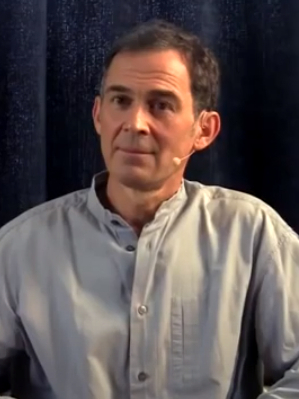
The Boundless Space of Awareness
In the profound words of Rupert Spira, "You are the open, empty space of awareness." This statement invites us to explore the essence of our being, suggesting that beneath the layers of thought, emotion, and identity lies a vast expanse of awareness. Understanding this concept is crucial, as it shifts our perception from the confines of the self to the expansive nature of consciousness itself. This realization can lead to a more profound sense of peace and connection with the world around us.
As we delve deeper into this quote, we uncover the invitation to recognize our true nature as awareness itself, rather than as the myriad thoughts and feelings that often dominate our experience. This perspective encourages a shift from identification with the transient aspects of life to an appreciation of the underlying stillness and openness that defines our existence. By embracing this understanding, we can cultivate a sense of freedom and spaciousness in our daily lives, allowing us to navigate challenges with greater ease and clarity.
The image / the metaphor
The imagery of "open, empty space" evokes a sense of vastness and potential. It suggests that awareness is not a fixed entity but rather an expansive field in which thoughts and experiences arise and dissolve. The use of the word "empty" is particularly significant; it does not imply a lack of substance but rather an openness that allows for the full spectrum of human experience. This space is not cluttered by preconceived notions or judgments, but rather serves as a canvas upon which life unfolds.
Diving deeper into this metaphor, we can consider how the notion of space relates to our everyday experiences. Just as a room can feel cramped or spacious depending on how it is arranged, our inner experience can feel constricted or expansive based on our relationship with awareness. When we identify solely with our thoughts and emotions, we create a sense of confinement. However, when we recognize ourselves as the open space of awareness, we allow for a more fluid and dynamic engagement with life, fostering a sense of ease and acceptance.
In the speaker's tradition
Rupert Spira's teachings are rooted in the non-dual tradition, which emphasizes the interconnectedness of all existence and the fundamental unity of consciousness. Concepts such as *sunyata* (emptiness) in Buddhism and *fana* (annihilation of the self) in Sufism resonate deeply with Spira's assertion of awareness as an open space. These traditions encourage practitioners to transcend the illusion of separateness and recognize their true nature as part of a greater whole, inviting a profound sense of peace and liberation.
In his work, Spira often references the idea of *kenosis*, or self-emptying, which aligns beautifully with the notion of being the open space of awareness. This concept, found in various spiritual traditions, suggests that by letting go of our attachments and identifications, we can experience a deeper connection to the essence of life itself. Texts such as the *Upanishads* and the *Tao Te Ching* echo this sentiment, inviting us to explore the depths of our awareness and the boundless potential that lies within.
Living the teaching
Consider a modern scenario where this teaching can be applied: imagine a busy day filled with stress and distractions. In such moments, it is easy to become overwhelmed by the demands of work, relationships, and responsibilities. However, by pausing to recognize ourselves as the open space of awareness, we can create a shift in our experience. Instead of being consumed by the chaos, we can step back and observe our thoughts and feelings without attachment, allowing us to respond with clarity and calmness.
This teaching also finds relevance in our relationships. When conflicts arise, we often become entangled in our perspectives and emotions, leading to misunderstandings. By embodying the idea of being the open space of awareness, we can approach these situations with a sense of openness and curiosity. This allows us to listen deeply to others, fostering connection and understanding rather than defensiveness. In this way, the practice of awareness becomes a transformative tool for nurturing our relationships and enhancing our interactions with the world.
A reflection
As we reflect on Spira's profound statement, we might ask ourselves: "In what ways can I cultivate a deeper awareness of the open space within me?" This contemplative question invites us to explore our relationship with awareness and encourages us to recognize the vast potential that lies beneath our thoughts and emotions. By engaging with this inquiry, we can begin to embody the essence of our true nature, fostering a sense of peace and connection in our lives.


