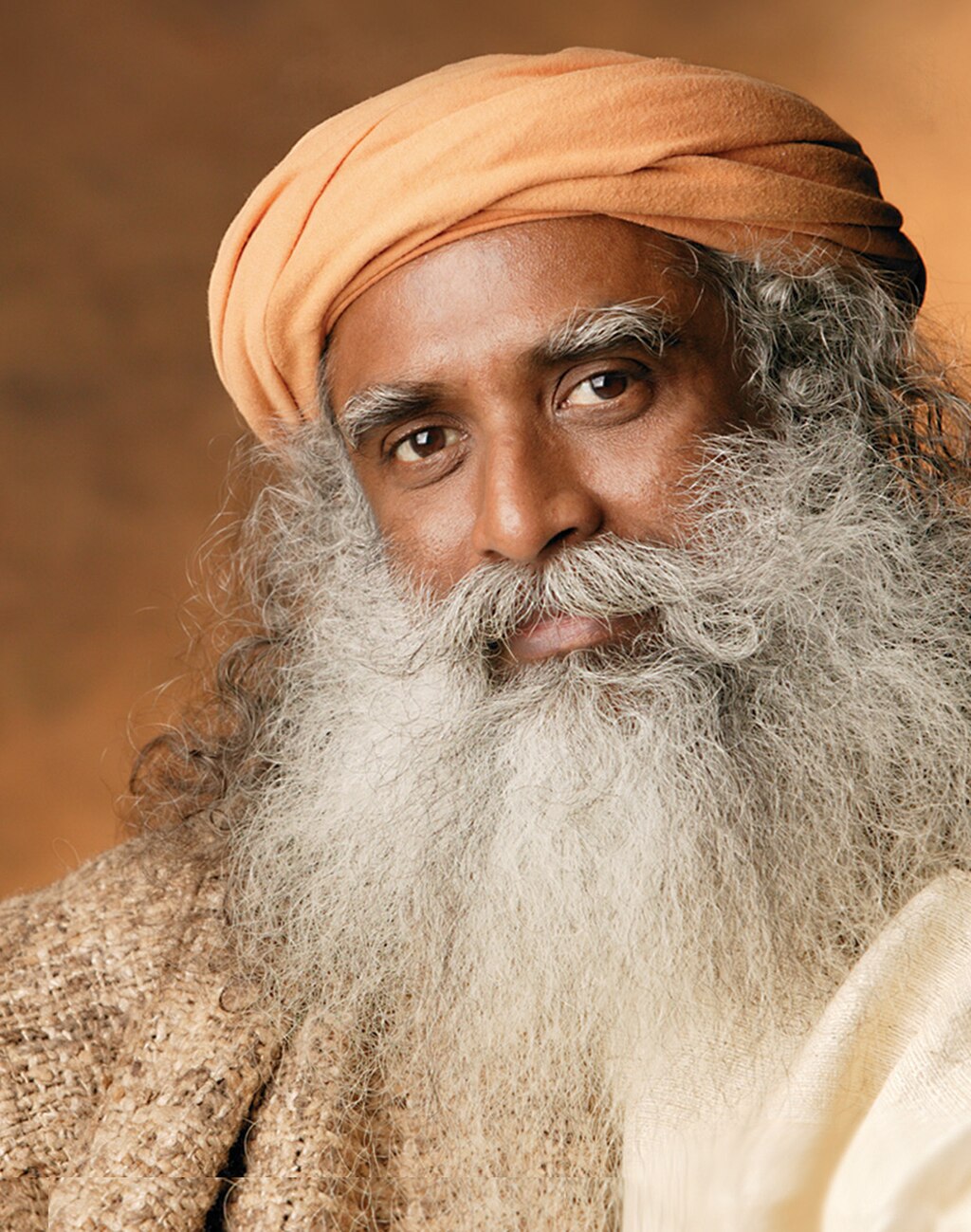
Illuminating Clarity: The Essence of Being
Sadhguru's profound assertion, "Be in such a way that everyone sees clarity in you," invites us to embody a state of being that radiates transparency and understanding. This call to clarity is not merely about personal perception; it extends to how we are perceived by others. In a world often clouded by confusion and distraction, this teaching serves as a beacon, urging us to cultivate an inner clarity that can illuminate the lives of those around us.
To delve deeper, we must recognize that clarity is not a static quality but a dynamic state of existence. It encompasses our thoughts, emotions, and actions, urging us to align them harmoniously. When we embody clarity, we become witnesses to our own lives, allowing others to see the truth of our being. This authenticity fosters connection and understanding, creating a ripple effect that can transform our relationships and communities.
The image / the metaphor
At first glance, the imagery in Sadhguru's quote evokes a sense of lightness and openness. The verb "be" suggests a state of existence rather than a mere action, emphasizing the importance of presence. Clarity, in this context, is not just about mental lucidity; it is about embodying a way of being that resonates with truth. The phrase "everyone sees" implies a collective experience, highlighting the interconnectedness of our individual journeys.
Diving deeper into the metaphor, we can envision clarity as a clear lake, reflecting the world around it without distortion. Just as a still body of water reveals the beauty of its surroundings, our clarity allows others to perceive the essence of life more vividly. This clarity is not self-serving; it is an invitation for others to engage with their own truths, fostering a shared experience of understanding and compassion.
In the speaker's tradition
Sadhguru's teachings are rooted in the ancient tradition of yoga, which emphasizes the importance of self-awareness and inner clarity. Concepts such as dharma, or one's rightful path, and prajna, or wisdom, are integral to this understanding. To embody clarity is to align oneself with one's dharma, allowing the innate wisdom within to guide actions and interactions. This journey toward clarity is akin to the practice of kenosis, where one empties oneself of distractions and illusions to reveal the true self.
In the context of yoga philosophy, we can draw parallels to the notion of sunyata, or emptiness, which invites us to let go of preconceived notions and attachments. This emptiness is not a void but a fertile ground for clarity to emerge. In texts such as the Bhagavad Gita, the importance of self-realization and clarity of purpose is emphasized, reminding us that our actions should stem from a place of inner truth rather than external expectation.
Living the teaching
Consider a modern scenario where this teaching can be applied: a workplace filled with tension and miscommunication. By embodying clarity, one can approach colleagues with openness and honesty, fostering an environment where ideas can flow freely. This clarity not only enhances individual productivity but also cultivates a culture of trust and collaboration, allowing everyone to thrive in their roles.
Another application of this teaching can be found in personal relationships, especially during challenging moments. When faced with conflict, embodying clarity means expressing feelings and thoughts transparently, rather than allowing misunderstandings to fester. This practice of open communication can lead to deeper connections and resolutions, transforming potential discord into opportunities for growth and understanding.
A reflection
As we contemplate Sadhguru's invitation to embody clarity, we might ask ourselves: "In what ways can I cultivate a clearer presence in my interactions with others?" This question encourages us to reflect on our own states of being and the impact we have on those around us. By embracing this inquiry, we open ourselves to the possibility of transformation, both within and in our relationships with the world.