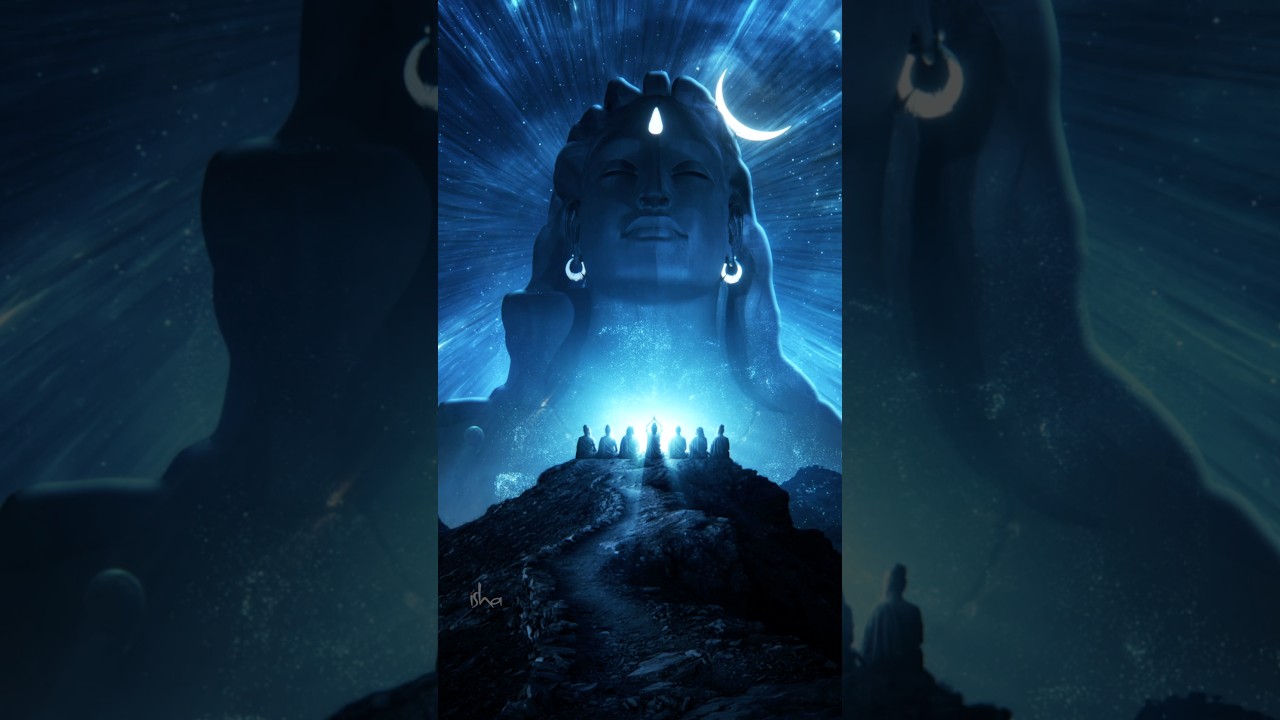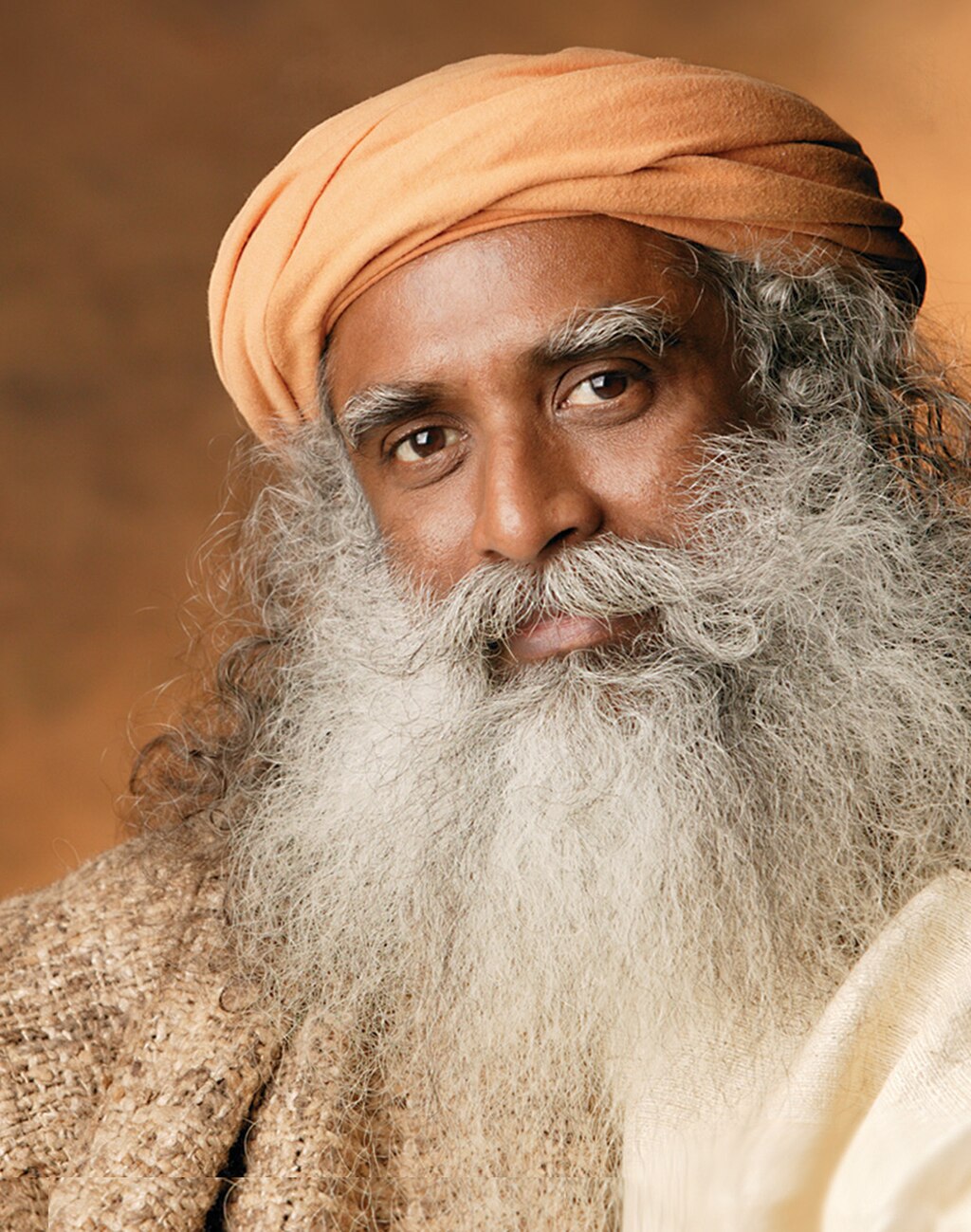
In the profound words of Sadhguru, "Existence and yourself are not two different realities." This statement invites us to reconsider the very fabric of our being, suggesting that the self is not a separate entity but rather an integral part of the greater whole of existence. This understanding holds significant implications for how we perceive our lives, our relationships, and our place in the universe. Recognizing this unity can lead to a deeper sense of peace, belonging, and purpose, as we begin to see ourselves not as isolated individuals but as interconnected threads in the vast tapestry of life.
Delving deeper into this notion, we find that the separation we often feel between ourselves and the world around us is largely an illusion, a construct of the mind that can lead to feelings of isolation and disconnection. Sadhguru's teaching encourages us to dissolve these boundaries, to embrace the idea that our essence is intertwined with the essence of all that exists. This realization can be both liberating and transformative, prompting us to engage with life more fully and authentically, as we come to understand that our joys and sorrows are shared experiences within the collective human journey.
The image / the metaphor
At the heart of Sadhguru's quote lies a rich metaphorical landscape. The term "existence" evokes a sense of vastness, encompassing everything from the smallest particle to the grandest cosmic phenomena. In contrast, "yourself" suggests a more intimate, personal experience of being. The juxtaposition of these two concepts invites us to explore the relationship between the individual and the universe, highlighting the dynamic interplay between the microcosm of the self and the macrocosm of existence. The verbs chosen—"existence" and "yourself"—imply action and presence, urging us to engage actively with this unity rather than passively observing it.
Going deeper, we can see that this metaphor speaks to the essence of yoga itself, which is often described as a union or yoke. The practice of yoga is not merely about physical postures but about the profound realization of oneness with all that is. When we embody this understanding, we begin to experience life not as a series of isolated events but as a continuous flow of interconnected experiences. This shift in perception can lead to a more harmonious existence, where the boundaries of self dissolve, allowing us to move through the world with greater compassion and empathy.
In the speaker's tradition
Sadhguru's teachings are deeply rooted in the ancient wisdom of yoga, which emphasizes the interconnectedness of all beings. This concept resonates with the idea of dharma, or the natural order of the universe, where each individual plays a unique role in the grand scheme of existence. The notion of kenosis, or self-emptying, also parallels Sadhguru's message, as it encourages individuals to let go of the ego and embrace a more expansive sense of self that includes the entirety of existence. In this light, the quote serves as a reminder that our personal journey is intricately linked to the collective journey of humanity.
Moreover, we can draw parallels with the Buddhist concept of sunyata, or emptiness, which teaches that the self is not a fixed entity but rather a fluid construct shaped by our experiences and interactions. This understanding aligns with Sadhguru's assertion that existence and self are not separate; rather, they are two aspects of the same reality. In the Bhagavad Gita, Krishna speaks of the eternal self that transcends the physical body, reinforcing the idea that our true nature is not confined to our individual identities but is part of a larger, universal consciousness.
Living the teaching
Consider a modern scenario where this teaching can be applied: a person navigating the challenges of a demanding job. Often, we may feel overwhelmed by the pressures of work, leading to stress and a sense of disconnection from our surroundings. By embracing Sadhguru's insight, one can shift their perspective, recognizing that their work is not merely a means to an end but a vital part of the interconnected web of existence. This realization can foster a sense of purpose, transforming the workplace into a space of collaboration and shared growth rather than competition and isolation.
In a different context, imagine a relationship facing difficulties. When we perceive ourselves as separate from our partner, misunderstandings and conflicts can arise. However, by internalizing the teaching that existence and self are one, we can approach our relationships with greater empathy and understanding. This perspective allows us to see our partner's struggles as reflections of our own, fostering compassion and a willingness to engage in open dialogue. By recognizing our shared humanity, we can navigate challenges with grace and deepen our connection.
A reflection
As we contemplate Sadhguru's profound statement, we are invited to explore the nature of our own existence. How often do we find ourselves feeling isolated or disconnected from the world around us? In what ways can we cultivate a deeper sense of unity with our surroundings and the people in our lives? By reflecting on these questions, we can begin to unravel the layers of separation that cloud our perception, opening ourselves to the rich tapestry of existence that we are all a part of.