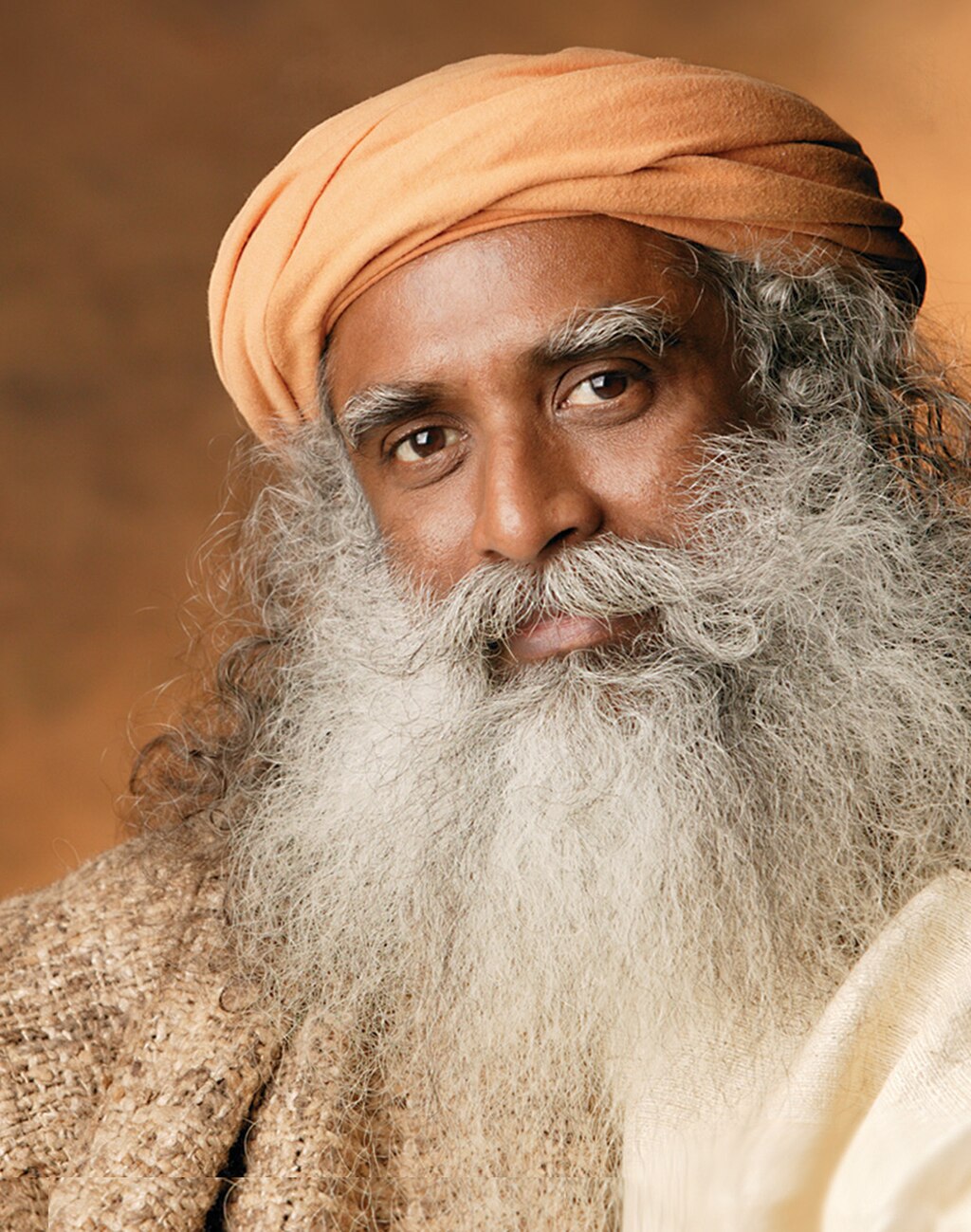
Embracing the Unchangeable: The Path to Inner Peace
“Make peace with whatever is.” This profound statement by Sadhguru invites us to cultivate a deep acceptance of our present circumstances, regardless of their nature. In a world often characterized by chaos and uncertainty, the ability to find peace amidst turmoil is not merely a luxury; it is a necessity for spiritual growth and emotional well-being. This teaching urges us to confront our resistance to reality and to embrace the present moment as it is, fostering a sense of tranquility that transcends external conditions.
At its core, this quote challenges us to reconsider our relationship with acceptance. It suggests that peace is not something we achieve by changing our circumstances but rather by altering our internal landscape. The practice of making peace with what is requires a profound shift in perspective, one that acknowledges the impermanence of life and the futility of clinging to expectations. By embracing this teaching, we can navigate the complexities of existence with grace and resilience, ultimately leading to a more harmonious life.
The image / the metaphor
The phrase “make peace” evokes a sense of active engagement, suggesting that peace is not a passive state but a conscious choice we must cultivate. The verb “make” implies creation, an intentional act of shaping our inner world in response to the outer one. The imagery of peace conjures a serene landscape, perhaps a still lake reflecting the sky, undisturbed by the winds of change. This metaphor invites us to envision our minds as that lake, capable of remaining calm and clear even when external storms rage.
In the speaker's tradition
Sadhguru's teachings are deeply rooted in the yogic tradition, which emphasizes the importance of acceptance as a pathway to liberation. Concepts such as dharma, or living in accordance with one’s true nature, resonate with the essence of this quote. In yoga philosophy, acceptance is often linked to the practice of non-attachment (aparigraha), which encourages individuals to let go of their desires and expectations. This alignment with the natural flow of life fosters a sense of peace that is intrinsic to the yogic path.
Moreover, this teaching echoes the Buddhist concept of sunyata, or emptiness, which invites practitioners to recognize the transient nature of all things. Just as the Buddha taught that clinging to desires leads to suffering, Sadhguru’s message emphasizes that peace arises when we release our attachment to outcomes. In this light, the practice of acceptance becomes a profound act of surrender, allowing us to experience life in its fullness without the burden of resistance.
Living the teaching
Consider a modern scenario where this teaching can be applied: a professional facing unexpected job loss. The initial reaction may be one of panic and despair, as the individual grapples with uncertainty about the future. However, by embracing Sadhguru’s teaching to make peace with this situation, the person can begin to shift their perspective. Instead of viewing the job loss as a catastrophe, they might see it as an opportunity for growth, exploration, and new beginnings. This acceptance can lead to a more constructive response, opening doors to possibilities that were previously obscured by fear.
In the realm of relationships, this teaching can also find profound application. Imagine a couple navigating a difficult phase in their partnership, marked by misunderstandings and conflict. By choosing to make peace with the current state of their relationship, they can foster an environment of open communication and understanding. This acceptance allows them to address their issues without the weight of blame or resentment, creating a space for healing and reconnection. In both scenarios, the act of making peace becomes a transformative practice that nurtures resilience and fosters deeper connections.
A reflection
As we contemplate Sadhguru’s invitation to “make peace with whatever is,” we are called to examine our own lives and the areas where we resist acceptance. What circumstances are we struggling to embrace? In what ways might our resistance to reality be causing us suffering? By reflecting on these questions, we can begin to uncover the layers of attachment and expectation that hinder our peace. Ultimately, the journey toward acceptance is a personal one, inviting us to cultivate a deeper understanding of ourselves and our relationship with the world around us.