Embracing the Inner Landscape: The Call to Responsibility
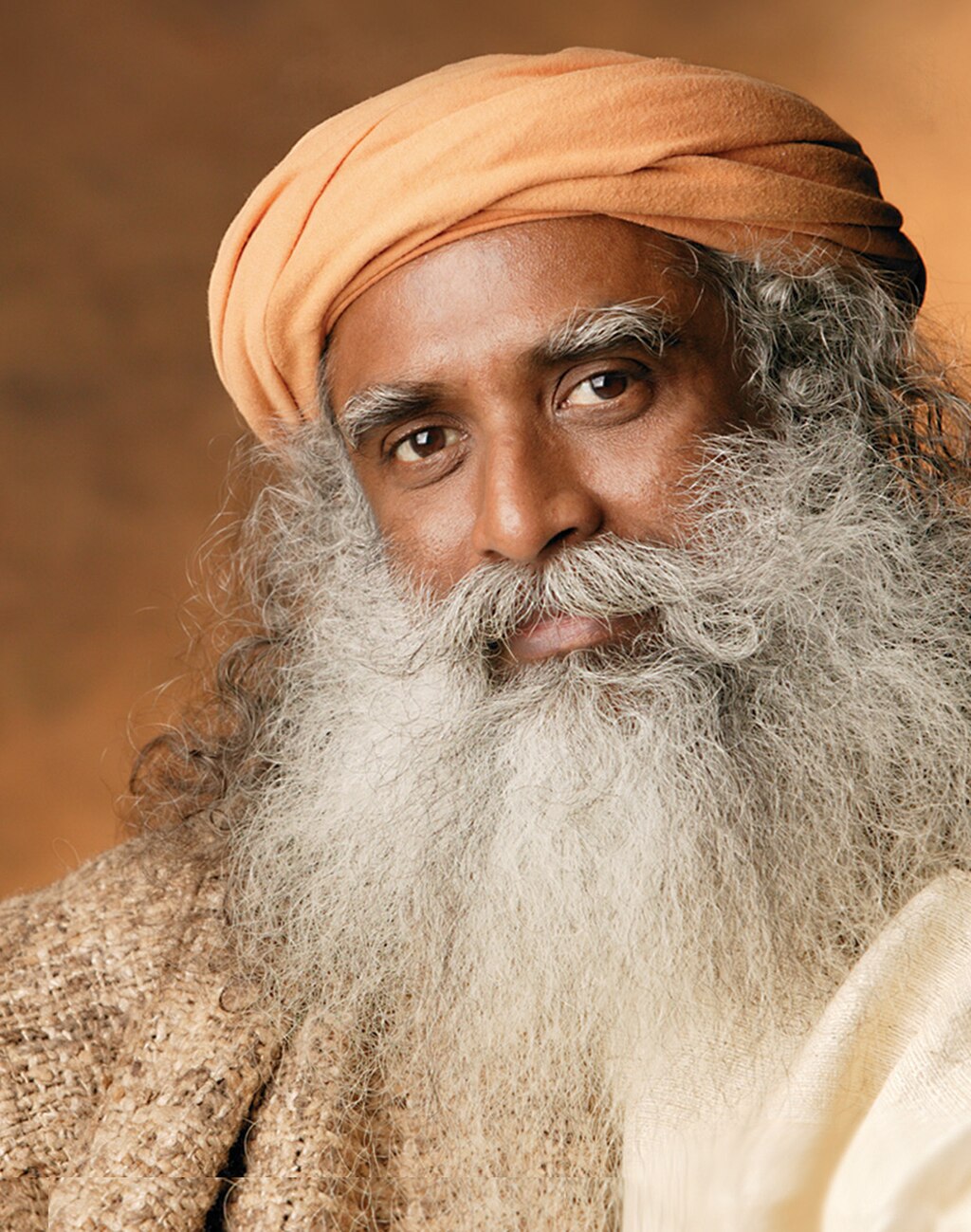
The quote by Sadhguru, "Take responsibility for your inner state. Nobody else can," invites us to acknowledge the profound truth that our emotional and mental landscapes are ours alone to navigate. In a world often filled with external pressures and influences, this statement serves as a powerful reminder of the importance of personal agency. It emphasizes that our inner peace, joy, and overall well-being are not contingent upon external circumstances or the actions of others, but rather stem from our own choices and perceptions.
Delving deeper into this notion, we find that the responsibility for our inner state is not merely a call to self-reliance; it is an invitation to cultivate a rich inner life. This journey requires introspection, self-awareness, and a willingness to confront the complexities of our emotions and thoughts. By taking ownership of our inner experiences, we empower ourselves to transform our reactions and responses, ultimately shaping our reality in a more meaningful way. This teaching resonates profoundly in our contemporary lives, where the tendency to blame external factors for our discontent can often overshadow the potential for personal growth.
The image / the metaphor
At its core, Sadhguru's quote evokes a vivid image of an inner landscape that is uniquely ours to tend. The verbs "take" and "responsibility" suggest an active engagement with our emotional and mental states, as if we are gardeners of our own psyche. This imagery implies that just as a garden requires care, attention, and nurturing to flourish, so too does our inner world demand our conscious involvement. The felt sense of this responsibility is both liberating and daunting; it calls us to recognize that we hold the keys to our emotional well-being.
Going deeper into the metaphor, we can envision our inner state as a vast terrain filled with various landscapes—some lush and vibrant, others barren and rocky. The act of taking responsibility is akin to choosing which areas to cultivate and which to let go of. It invites us to explore the depths of our emotions, to understand the roots of our discontent, and to consciously decide how we wish to respond to life's challenges. This metaphor of inner gardening encourages us to embrace the process of growth, understanding that it is through our own efforts that we can create a flourishing inner environment.
In the speaker's tradition
Within the rich tapestry of yoga philosophy, Sadhguru's teaching resonates with the concept of dharma, which emphasizes the importance of individual responsibility in aligning with one's true nature. The practice of yoga itself is a journey toward self-realization, where one learns to navigate the complexities of the mind and emotions. This idea of ownership over one's inner state is also reflected in the notion of prajna, or wisdom, which encourages us to cultivate discernment in our thoughts and actions. By taking responsibility for our inner experiences, we engage in a profound act of self-discovery that aligns with the essence of yoga.
A relevant text that echoes this sentiment is the Bhagavad Gita, where Lord Krishna imparts wisdom on the importance of self-awareness and personal duty. In Chapter 2, Verse 47, Krishna states, "You have the right to perform your prescribed duties, but you are not entitled to the fruits of your actions." This teaching underscores the significance of focusing on our inner state and actions rather than becoming entangled in the outcomes, reinforcing Sadhguru's message of personal responsibility.
Living the teaching
Consider a modern scenario where this teaching can be applied: imagine a workplace filled with stress and competition. It is easy to feel overwhelmed and to blame colleagues or external pressures for our anxiety. However, by embracing Sadhguru's teaching, we can shift our focus inward, recognizing that our reactions to stress are within our control. This shift allows us to cultivate resilience and emotional intelligence, enabling us to navigate challenges with grace and composure, rather than succumbing to external pressures.
Another application of this teaching can be found in personal relationships. In moments of conflict, it is common to point fingers and assign blame to the other person. Yet, by taking responsibility for our inner state, we can approach these situations with empathy and understanding. This practice encourages us to reflect on our own emotions and triggers, fostering healthier communication and deeper connections. By owning our feelings, we create space for healing and growth, both for ourselves and for those we engage with.
A reflection
As we contemplate Sadhguru's profound words, we are invited to reflect on our own lives: In what areas do we find ourselves relinquishing responsibility for our inner state? This question encourages us to examine our emotional landscapes and consider how we might reclaim our power to shape our experiences. By embracing the responsibility for our inner world, we open the door to transformation, allowing us to cultivate a life that resonates with authenticity and peace.