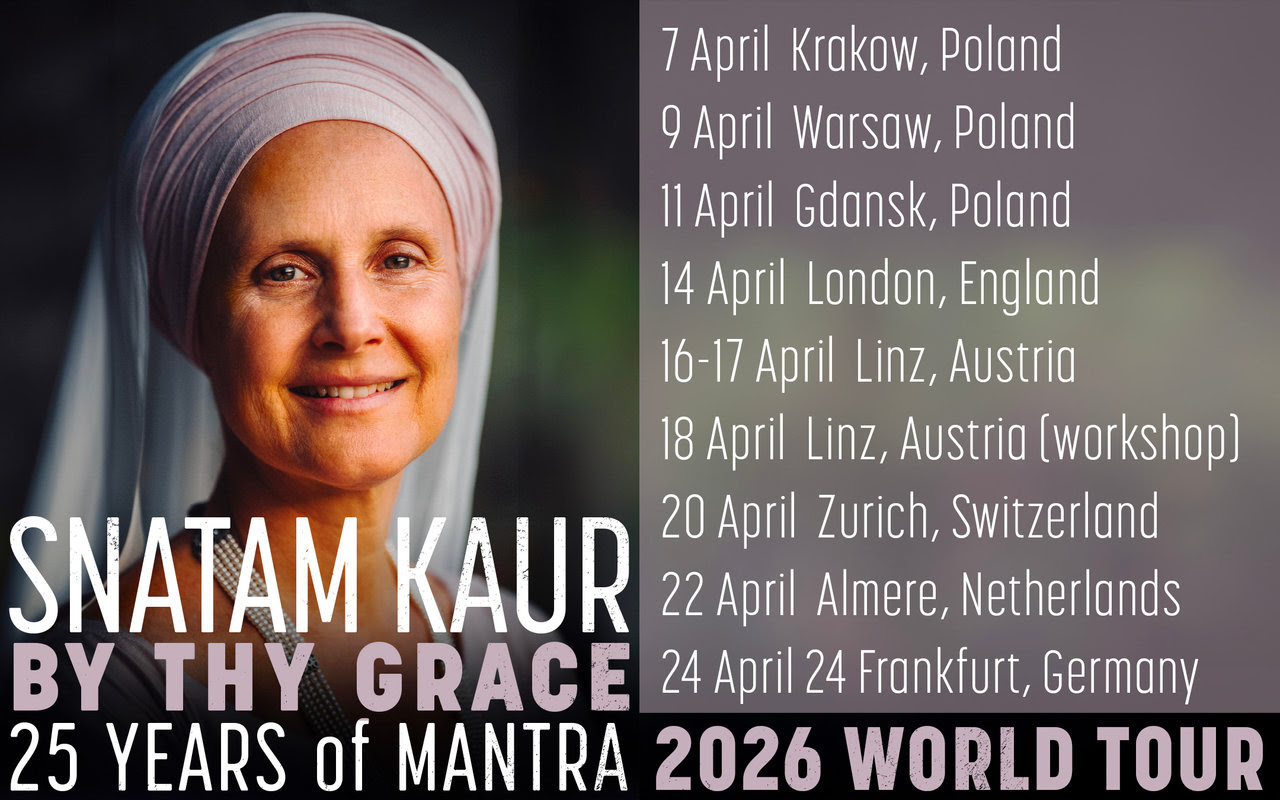
In the quote, "In the dawn-prayer, the world is renewed," Snatam Kaur invites us to consider the profound connection between the act of prayer and the cyclical nature of renewal that dawn represents. This moment of transition, when night gives way to day, serves as a metaphor for spiritual awakening and rejuvenation. The significance of this renewal is not merely personal; it resonates with the collective experience of humanity, suggesting that through prayer, we can engage in a transformative process that revitalizes our spirits and the world around us.
As we delve deeper into this quote, we recognize that dawn is not just a time of day but a symbol of hope and possibility. It embodies the promise of new beginnings, a chance to shed the burdens of yesterday and embrace the light of today. Prayer, in this context, becomes a sacred practice that aligns us with this rhythm of renewal, allowing us to tap into a deeper sense of purpose and connection. The act of engaging in dawn-prayer thus becomes a ritual of awakening, inviting us to participate in the ongoing creation of our lives and the world.
The image / the metaphor
The imagery of dawn in Kaur's quote evokes a sense of freshness and clarity, as the first light of day breaks through the darkness of night. The choice of the word "renewed" suggests a profound transformation, a cleansing of the spirit that occurs when we engage in prayer at this sacred hour. The dawn-prayer serves as a bridge between the stillness of night and the vibrancy of day, encapsulating the essence of hope and the potential for change. This moment is not merely a transition; it is a powerful invitation to reflect, to connect, and to awaken to the possibilities that lie ahead.
Delving deeper into the metaphor, we can see that dawn represents more than just a physical time; it symbolizes the inner awakening that occurs when we engage with our spiritual practices. The act of prayer at dawn can be seen as a ritual that aligns our intentions with the natural rhythms of the universe. It is a moment when the heart opens, allowing us to receive the blessings of the day and to release what no longer serves us. In this way, dawn-prayer becomes a transformative act, a sacred space where the mundane meets the divine, and where renewal is not just a possibility but a reality.
In the speaker's tradition
Snatam Kaur's teachings are deeply rooted in Sikhism, a tradition that emphasizes the importance of prayer, community, and the pursuit of truth. The concept of dharma, or righteous living, is central to Sikh philosophy, and dawn-prayer can be seen as a practice that aligns with this principle. In Sikhism, the act of prayer is not merely a personal endeavor; it is a communal experience that fosters connection and unity. By engaging in dawn-prayer, individuals participate in a collective renewal that echoes the teachings of the Gurus, who emphasized the importance of spiritual practice in everyday life.
Moreover, the notion of renewal resonates with the Sikh concept of "sangat," or community, which underscores the idea that spiritual growth is often nurtured in the presence of others. The Guru Granth Sahib, the central religious scripture of Sikhism, contains numerous hymns that speak to the transformative power of prayer and the importance of aligning oneself with the divine. In this context, dawn-prayer serves as a reminder that renewal is not solely an individual pursuit but a shared journey that connects us to one another and to the divine source of all creation.
Living the teaching
Consider a modern scenario where the teaching of dawn-prayer can be applied: the hectic morning routine of a busy professional. In the rush to meet deadlines and fulfill responsibilities, it is easy to overlook the sacredness of the day ahead. By intentionally setting aside a few moments at dawn for prayer or meditation, one can create a space for reflection and renewal. This practice not only cultivates a sense of calm but also sets a positive tone for the day, allowing the individual to approach challenges with a renewed spirit and clarity of purpose.
In a different context, imagine a relationship facing difficulties. The weight of past grievances can cloud communication and understanding. By engaging in a shared dawn-prayer, both partners can experience a moment of renewal, allowing them to release old patterns and invite fresh perspectives into their relationship. This practice can serve as a powerful tool for healing, fostering an environment where love and understanding can flourish anew, echoing the essence of Kaur's message about the transformative power of prayer.
A reflection
As we contemplate the quote, "In the dawn-prayer, the world is renewed," we are invited to reflect on our own practices of renewal. How do we create sacred moments in our lives that allow for transformation and awakening? In what ways can we engage with the rhythms of nature and spirituality to foster a deeper connection with ourselves and the world around us? These questions encourage us to explore the potential for renewal that exists within each dawn, inviting us to embrace the light of possibility that awaits us each day.