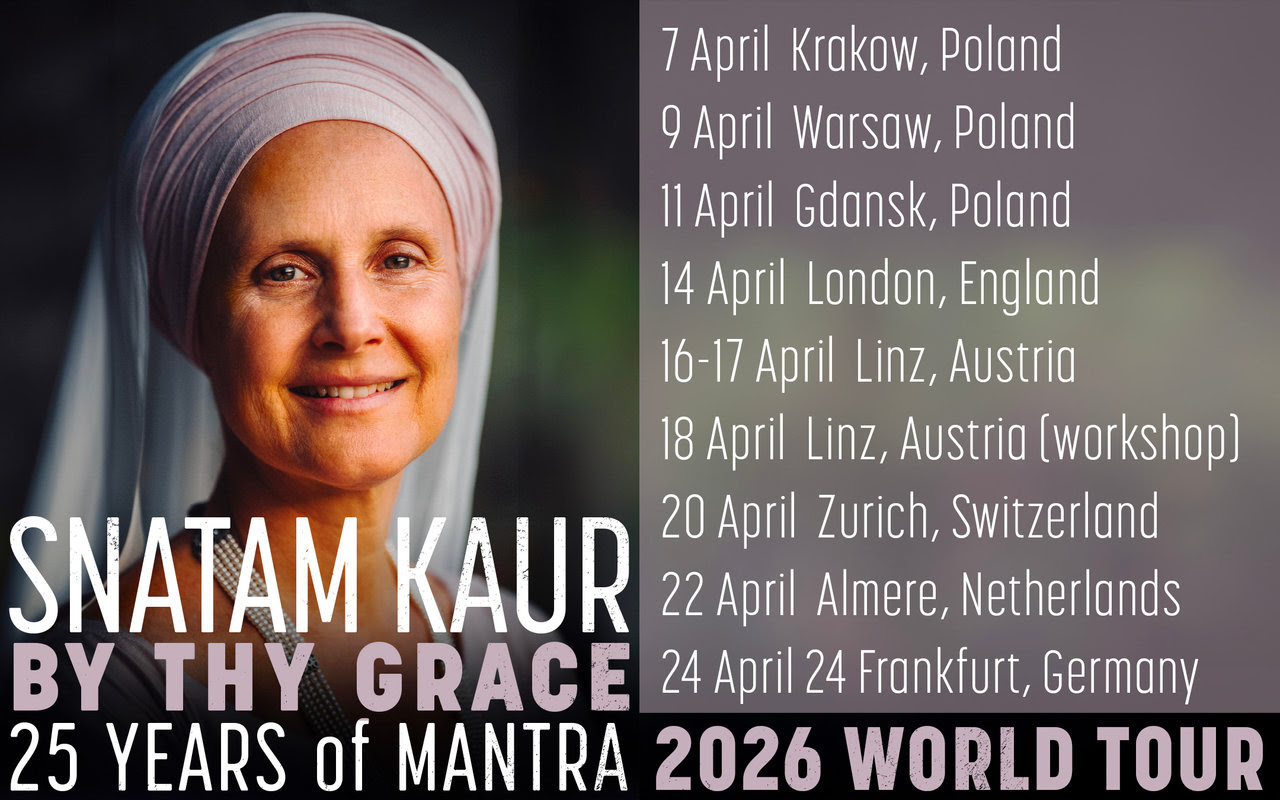
Snatam Kaur's poignant assertion, "In the kirtan, the heart beats with the divine," invites us to explore the profound connection between our inner emotional landscape and the sacred vibrations of kirtan, a form of devotional singing in Sikhism. This statement emphasizes the transformative power of music and mantra, suggesting that through the act of kirtan, we can align our hearts with a higher spiritual frequency. Understanding this connection is essential, as it reveals how our emotional states can be elevated through communal and individual practices that resonate with the divine.
Delving deeper, Kaur's words suggest that kirtan is not merely an act of singing; it is a sacred practice that engages the heart in a rhythmic dialogue with the divine. This interaction transcends mere auditory experience, inviting participants to immerse themselves in a collective heartbeat that echoes the essence of the universe. In this way, kirtan becomes a bridge between the mundane and the sacred, allowing us to experience a profound sense of unity and connection with something greater than ourselves.
The image / the metaphor
The imagery in Kaur's quote evokes a vivid sense of rhythm and vitality. The heart, often seen as the seat of emotions and spiritual awareness, is depicted as pulsating in harmony with the divine. This metaphor suggests a dynamic interplay between the individual and the universal, where the act of singing becomes a conduit for divine energy. The use of the verb "beats" implies a living, breathing connection, emphasizing that this relationship is not static but rather an ongoing, vibrant exchange.
Going deeper into the metaphor, we can see that the heart's beat symbolizes the essence of life itself. Just as the heart pumps blood to sustain the body, the divine pulse of kirtan nourishes the soul. This connection implies that through kirtan, we are not only expressing our devotion but also receiving spiritual sustenance, allowing us to flourish in our spiritual journeys. The heart's rhythm becomes a sacred metronome, guiding us toward a deeper understanding of our place within the cosmos.
In the speaker's tradition
Snatam Kaur's insights are deeply rooted in Sikhism, a tradition that emphasizes the importance of community, devotion, and the pursuit of truth. The concept of bhakti, or devotional love, is central to this practice, highlighting the intimate relationship between the devotee and the divine. In kirtan, this devotion is expressed through music and song, creating a space where individuals can experience a sense of oneness with the divine presence. This aligns with the Sikh understanding of dharma, which calls for living in harmony with the universe and recognizing the divine in all aspects of life.
Moreover, the practice of kirtan can be likened to the concept of kenosis, or self-emptying, found in various spiritual traditions. In engaging with kirtan, practitioners are invited to let go of their ego and personal desires, allowing themselves to be filled with divine love and presence. This echoes the teachings found in the Guru Granth Sahib, the central religious scripture of Sikhism, which emphasizes the importance of surrendering to the divine will and experiencing the joy that arises from such surrender.
Living the teaching
Consider a modern scenario where the teaching of Kaur's quote can be applied: a community gathering where individuals come together to participate in kirtan. In this setting, the act of singing and sharing creates a palpable energy that resonates with each participant's heart. As the melodies weave through the air, individuals may find themselves shedding their daily worries and anxieties, allowing the divine rhythm to envelop them. This shared experience fosters a sense of belonging and connection, illustrating how kirtan can serve as a powerful tool for emotional and spiritual healing.
In a different context, imagine a person facing a challenging moment in their life, perhaps grappling with loss or uncertainty. By engaging in kirtan, whether alone or with others, they can find solace in the sacred sounds and rhythms that echo the divine heartbeat. This practice can serve as a reminder that even in times of struggle, there is a greater force at play, inviting them to surrender their burdens and trust in the unfolding of life. Through kirtan, they can cultivate a deeper awareness of their own heart's rhythm, aligning it with the divine and finding peace amidst chaos.
A reflection
As we contemplate Snatam Kaur's profound statement, we are invited to consider the ways in which our own hearts resonate with the divine. How can we cultivate a practice that allows us to experience this heartbeat more fully in our lives? Reflecting on this question can lead us to explore the various forms of kirtan, music, or meditation that resonate with us, ultimately guiding us toward a deeper connection with the sacred rhythm that underlies our existence.