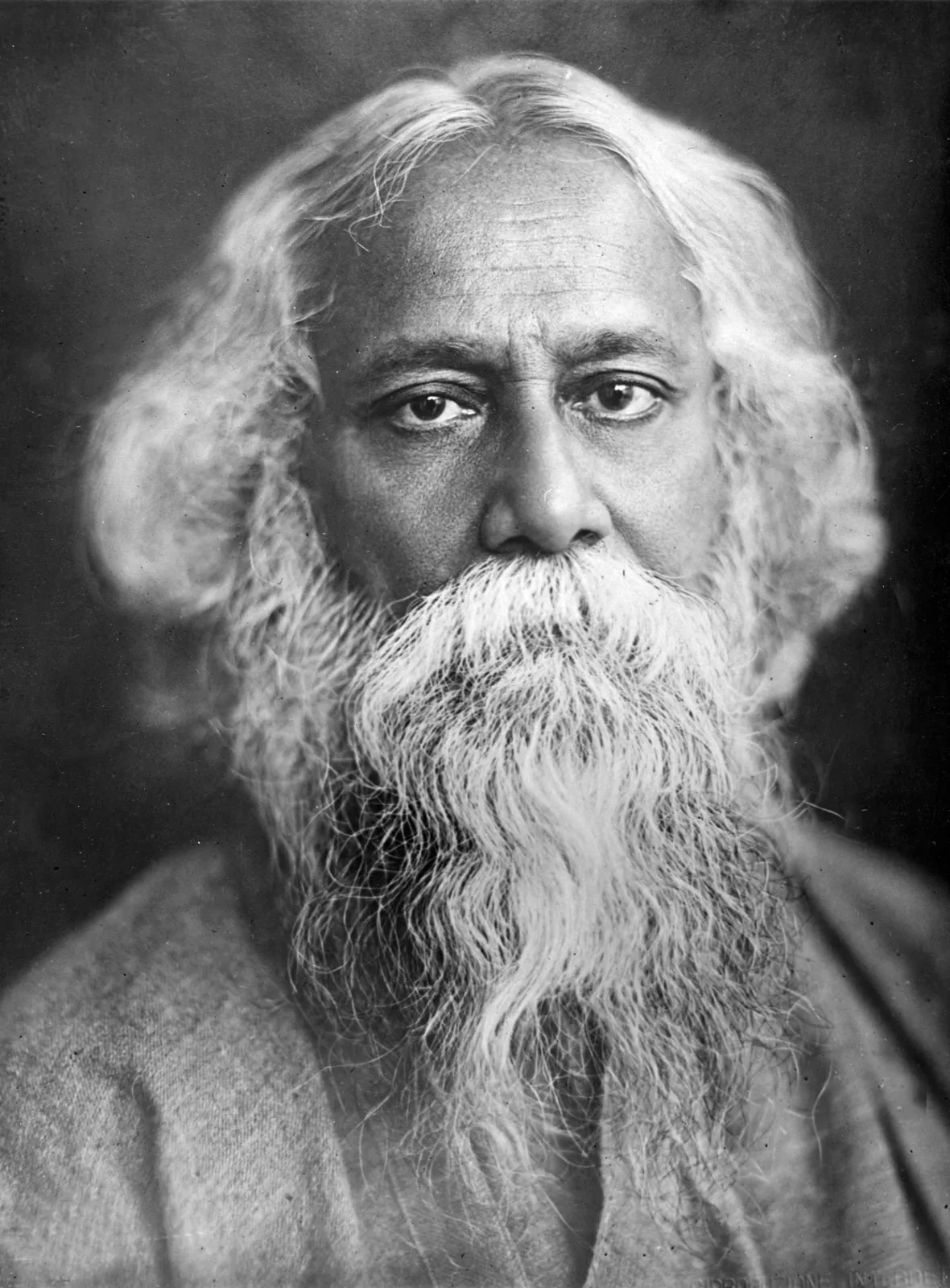
The Beauty of Singular Existence
Rabindranath Tagore's poignant observation, "The flower which is single need not envy the thorns that are numerous," invites us to reflect on the nature of individuality and the inherent value of being unique. In a world often dominated by comparison and competition, this quote serves as a gentle reminder that true worth lies not in the quantity of our attributes but in the quality of our existence. The flower, standing alone, embodies beauty and grace, while the thorns, despite their multitude, serve a different purpose. This distinction is crucial in understanding our own paths and the wisdom that arises from embracing our singularity.
Tagore's words resonate deeply in a society that frequently measures success by external standards. The flower represents those who may feel isolated or different, yet possess a unique beauty that does not require validation from the surrounding thorns. This metaphor encourages us to cultivate self-acceptance and to recognize that our individual journeys are valuable, regardless of how they compare to others. In doing so, we can find peace in our own existence and appreciate the richness of life that comes from embracing our true selves.
The image / the metaphor
The imagery of a solitary flower juxtaposed with numerous thorns evokes a powerful emotional landscape. The flower, often associated with beauty, fragility, and purity, stands as a symbol of individuality, while the thorns represent the challenges and obstacles that can surround us. The choice of the word "envy" is particularly striking; it suggests a deep-seated human tendency to compare ourselves with others, often leading to feelings of inadequacy. Tagore's use of "single" emphasizes the strength found in solitude, inviting us to appreciate the unique qualities that each individual possesses.
Diving deeper into the metaphor, we see that the thorns, despite their abundance, do not detract from the flower's beauty; rather, they highlight it. This relationship speaks to the idea that challenges and difficulties can coexist with beauty and grace. The flower's lack of envy suggests a profound wisdom: that fulfillment comes from within, not from external validation or comparison. In this light, the flower becomes a symbol of self-acceptance and inner strength, reminding us that our worth is not diminished by the presence of others' successes or struggles.
In the speaker's tradition
Rabindranath Tagore's insights are deeply rooted in the Hindu tradition, which emphasizes the concepts of dharma and the interconnectedness of all beings. In this context, the flower's singular existence can be seen as an expression of one's dharma, or duty, to live authentically and honor one's unique path. The thorns, representing societal pressures and expectations, serve as reminders of the distractions that can lead us away from our true selves. Tagore's wisdom encourages us to cultivate a sense of self that is grounded in our own values and experiences, rather than succumbing to the noise of comparison.
Furthermore, Tagore's perspective aligns with the teachings found in texts such as the Bhagavad Gita, where the importance of self-realization and understanding one's true nature is paramount. In the Gita, Krishna advises Arjuna to act according to his own dharma, free from attachment to the fruits of his actions. This echoes Tagore's message that the flower, in its singular beauty, need not seek validation from the thorns, but rather should embrace its own unique role in the tapestry of existence.
Living the teaching
Consider a modern scenario where this teaching resonates: a young artist grappling with self-doubt in a world saturated with talent. Surrounded by peers who seem to excel effortlessly, she may feel the weight of envy creeping in, questioning her own abilities and worth. However, by embracing the essence of Tagore's quote, she can shift her focus from comparison to self-acceptance. Recognizing that her unique perspective and style contribute to the richness of the artistic community, she can find solace in her individuality, allowing her creativity to flourish without the burden of envy.
This teaching can also be applied in relationships, particularly during challenging moments. Imagine a friendship where one person feels overshadowed by the other's achievements. Instead of succumbing to feelings of inadequacy, the individual can reflect on the beauty of their own contributions to the relationship. By acknowledging that each person brings unique strengths and qualities, they can cultivate a deeper appreciation for their bond, fostering a sense of gratitude rather than envy. This practice of recognizing and celebrating individuality can transform relationships, allowing them to thrive in authenticity and mutual respect.
A reflection
As we contemplate Tagore's profound words, we are invited to explore the nature of our own existence. In what ways do we find ourselves comparing our lives to others, and how does this impact our sense of self-worth? By reflecting on this question, we can begin to uncover the layers of envy that may cloud our perception of our own beauty and uniqueness. Ultimately, embracing our singularity can lead to a more fulfilling and authentic life, where we celebrate our own journey without the need for comparison.


