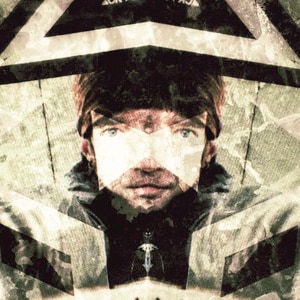
Bruce Lipton is a stem cell biologist and author whose laboratory research into cellular membrane function led him to challenge core assumptions of genetic determinism. Trained in developmental biology, Lipton spent years studying cloned stem cells and observed that genetically identical cells placed in different culture environments exhibited vastly different outcomes, a finding that became the experimental foundation for his later work on epigenetics and the role of environmental signals in gene expression.
Lipton's approach bridges molecular biology and the emerging field of epigenetics, the study of how behavior and environment can influence the way genes are expressed without altering DNA itself. Unlike researchers who frame epigenetics strictly within biochemical pathways, Lipton extends the implications into consciousness studies and mind-body medicine, arguing that perception and belief systems function as environmental signals capable of rewriting cellular behavior. This interpretive leap has positioned him outside mainstream academic biology and inside a niche where scientific materialism meets New Thought philosophy.
His best-known work is the book *The Biology of Belief*, first published in 2005 and later released in a tenth-anniversary edition. The book synthesizes his stem cell research with theories about how thoughts and emotions influence physical health. Other titles include *Spontaneous Evolution*, co-authored with Steve Bhaerman, and *The Honeymoon Effect*, which applies his cellular biology framework to romantic relationships. His fourth book, *Beyond Darwin*, is in progress and is expected to critique neo-Darwinian evolutionary theory through the lens of epigenetic inheritance.
Lipton began his academic career as a researcher and lecturer in anatomy at the University of Wisconsin School of Medicine, where he conducted early experiments on muscular dystrophy and cloned stem cell studies. He later taught at Stanford University School of Medicine, focusing on the molecular mechanisms that control cell behavior. A turning point came when his laboratory findings on how the cell membrane processes environmental information conflicted with the gene-centric model he had been trained in, prompting him to leave conventional academic research and pursue independent writing and speaking.
His lectures and workshops have reached audiences across North America, Europe, and Australia, and *The Biology of Belief* has been translated into more than a dozen languages. Lipton has appeared in documentary films including *The Living Matrix* and has been featured in alternative health and consciousness media outlets such as *Gaia* and *Conscious Life Expo*. While his work is not widely cited in peer-reviewed biological literature, it has found traction in integrative medicine communities, personal development circles, and among readers interested in the convergence of quantum physics metaphors and self-help frameworks.
Lipton continues to lecture internationally and develop new written work. His speaking engagements typically combine PowerPoint slides of cellular diagrams with anecdotes from his laboratory years and commentary on the limitations of pharmaceutical medicine. He also offers online courses and video series that expand on the themes in his books, aiming to make cell biology accessible to non-scientists interested in how physiology and psychology intersect.
For readers and audiences encountering Lipton's work today, his contribution lies in translating technical findings about cellular signaling into a narrative framework that supports agency over biology, offering a scientifically grounded counterpoint to strict genetic fatalism.