What Does "Paddling Against the Current" Really Mean?
The metaphor of paddling against the current captures a core human condition: the tendency to force outcomes through sheer willpower rather than reading the actual conditions available to us. When we paddle against the current, we exhaust ourselves. Energy flows outward in resistance; progress feels glacially slow despite tremendous effort. This isn't laziness—it's a structural misalignment between intention and reality.
In the context of the Oneness teachings, this dynamic extends beyond physical effort. It describes a psychological and spiritual state where the seeker is constantly fighting against what is, rather than working intelligently with it. The illusion at play is that harder effort, more discipline, or greater force of will should automatically produce results. Instead, the opposite often occurs: we burn out, abandon goals, or achieve them at great cost to our peace.
How Does the Illusion of Control Create Suffering?
A core insight in this teaching is that many of us chase illusions—not necessarily false goals, but false methods of reaching them. We believe we must control every variable, outsmart every obstacle, and maintain constant vigilance to achieve what we desire. This vigilance becomes exhausting. The nervous system stays in a state of alert, always bracing, always pushing.
The seeker in this teaching faced exactly this pattern. The challenges he braved were not external alone; they were the internal weight of believing he had to force his way to peace and abundance. When the realization dawned that this approach itself was the obstacle, something shifted. The effort didn't cease—it redirected. Instead of paddling harder against resistance, he began to notice where the river naturally moved toward his destination.
What Is the "Shift to Flow" and How Does It Work?
Flow, in this context, is not passive drift or spiritual bypassing. Rather, it's intelligent alignment with forces already in motion. A skilled paddler doesn't fight the current; she reads it, uses its energy, and positions her boat accordingly. The same intelligence applies to life choices, relationships, work, and inner growth.
The shift involves several recognitions:
- Acceptance of what is: You stop wasting energy denying current conditions and instead work from accurate perception.
- Discernment of direction: You learn to sense where natural momentum exists—what opportunities align with your nature, what relationships feel alive, what work uses your gifts.
- Effort without strain: You act decisively but without the rigid tension of forcing. This effort is sustainable and even enjoyable.
- Trust in unfolding: You recognize that not everything needs to be controlled by the conscious mind; some outcomes emerge through alignment with larger patterns.
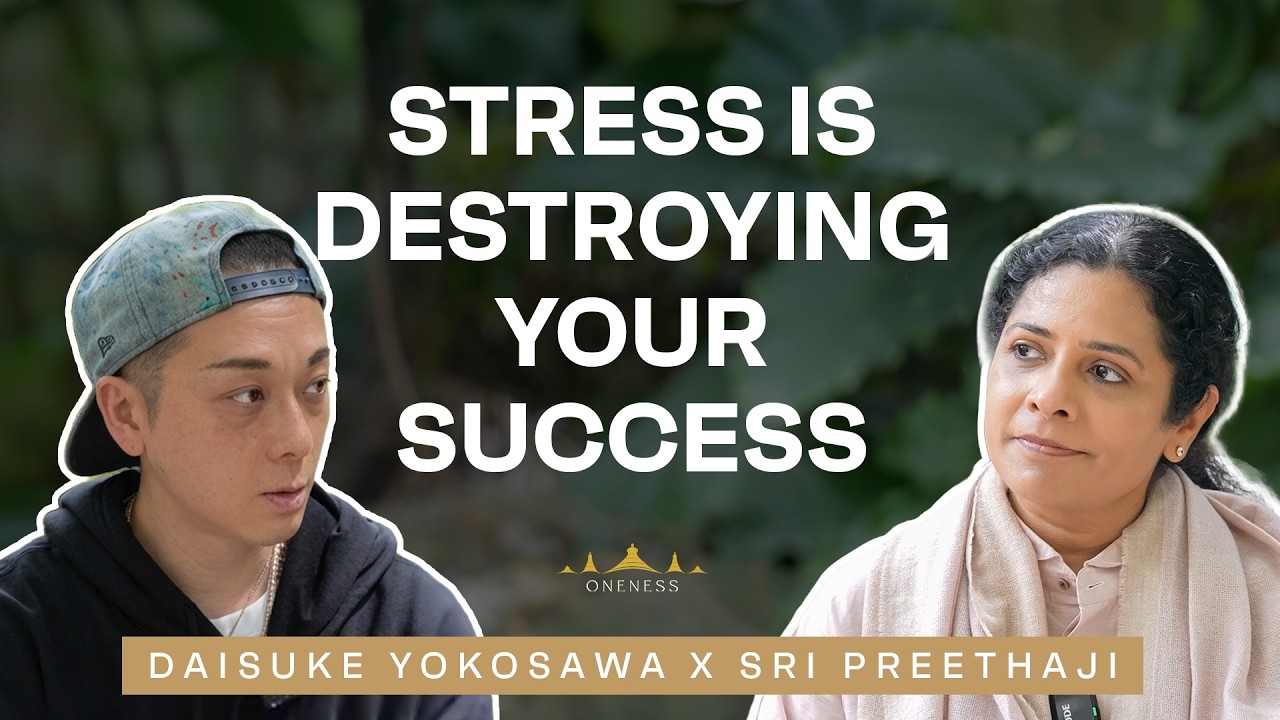
Through the teachings of Sri Preethaji and Sri Krishnaji, the seeker discovered that inner peace wasn't something to achieve through grinding discipline but rather something that emerges naturally when the constant inner resistance relaxes. Abundance, too, began to appear—not as a reward for finally pushing hard enough, but as a natural consequence of being in a state where opportunities could be recognized and received.
What Role Does Transformation Play in This Journey?
The journey described here is one of transformation, not mere self-improvement. Self-improvement assumes the basic structure is sound and just needs upgrading. Transformation means the structure itself shifts. The seeker's relationship to his own striving changed fundamentally.
This transformation didn't happen through intellectual understanding alone. It required facing real challenges—the discomfort of releasing control, the uncertainty of trusting an invisible current, the vulnerability of admitting that the old way wasn't working. The seeker "bravely faced" these challenges, meaning he didn't bypass them or suppress them. Instead, he moved through them with awareness, allowing his understanding to deepen as his experience evolved.
The remarkable sense of fulfillment that emerged isn't the high of achievement through force. It's the deeper contentment that comes from living in alignment with reality rather than fighting it—from paddling with the river rather than against it.
How Does This Teaching Address Inner Peace and Fulfillment?
Inner peace is often understood as the absence of problem, but this teaching suggests something different: peace emerges when you stop demanding that life follow your script. When you release the need to be constantly vigilant, constantly controlling, constantly proving your worth through effort—that's when the nervous system can actually relax.
Fulfillment follows naturally from this state. When you're not exhausted from paddling against the current, you have energy for what genuinely matters to you. When you're not consumed by anxiety about control, you can notice and receive what's already available. When you act from alignment rather than desperation, your actions carry an integrity that draws real responses from the world.
The teaching suggests that the seeker's journey illustrates this directly: through moving from force to flow, he discovered both inner peace and tangible abundance. These aren't contradictory or separate goals—they're two expressions of the same fundamental shift.
Where to Go From Here
If this teaching resonates, the invitation is to examine your own life for places where you're paddling against the current. Notice the areas where effort feels constant and depleting. Ask: Is the resistance coming from external obstacles, or from my approach to those obstacles? What would change if I were willing to read the current rather than force through it?
The Oneness teachings continue to explore these questions through direct practice and community. For deeper engagement with the work of Sri Preethaji and Sri Krishnaji, visit ekam.org/foa to connect with resources, teachings, and the larger community of seekers exploring this transformation from striving to flow.
]]>