EveryGetaway

Ver Todos los Retreats

Find your transformative retreat

retreats

Yoga Retreats
Meditation Retreats
Wellness Retreats
Spiritual Retreats
Adventure Retreats
Creative Retreats
Couples Retreats
Detox & Cleanse
Fitness Retreats
Corporate Retreats
Destinos Populares
BaliSedonaLos AngelesCosta RicaNew YorkSan FranciscoAustinMiamiJoshua TreeTulum
Ver Todas las CategoríasVer Todos los Destinos

Explorar Todas las Características

Herramientas poderosas para hacer crecer tus eventos

Características de la Plataforma

Precios Dinámicos Inteligentes
Categorías de Entradas
Asientos Asignados
Recuperación de Carritos
Recuperación de Visitantes
Donaciones y Escala Móvil
Motor de Afiliados
Escáner de Entradas
Códigos de Cupón
Preguntas Personalizadas
Compartir Entradas
Ventas Adicionales
Análisis e Informes
Secuencias de Email
Lista de Espera / Notificar / Recordar
Personas y Lugares
Retreat LeadersRetreat OrganizersRetreat CentersKnowledge BaseInspiration
Ver Todas las CaracterísticasSobre Nosotros
PreciosBlog
Language
Saved events
Ver Todos los Eventos

retreats

Yoga RetreatsMeditation RetreatsWellness RetreatsSpiritual RetreatsAdventure RetreatsCreative RetreatsCouples RetreatsDetox & Cleanse

Destinos Populares

BaliSedonaLos AngelesCosta RicaNew YorkSan Francisco

Personas y Lugares

Retreat LeadersRetreat OrganizersRetreat CentersKnowledge BaseInspiration

Características de la Plataforma

Precios Dinámicos InteligentesCategorías de EntradasAsientos AsignadosRecuperación de CarritosRecuperación de VisitantesDonaciones y Escala MóvilMotor de AfiliadosEscáner de EntradasCódigos de CupónPreguntas PersonalizadasCompartir EntradasVentas AdicionalesAnálisis e InformesSecuencias de EmailLista de Espera / Notificar / Recordar
Ver Todas las CaracterísticasSobre Nosotros
PreciosBlog
Iniciar sesiónSeekersRetreat leaders
  • Ver Todos los Retreats
  • Para Buscadores
  • Yoga Retreats
  • Meditation Retreats
  • Wellness Retreats
  • Spiritual Retreats
  • Adventure Retreats
  • Creative Retreats
  • Couples Retreats
  • Detox & Cleanse
  • Fitness Retreats
  • Corporate Retreats
  • Retiros
  • Talleres
  • Todas las Categorías →
  • Bali, Indonesia
  • Costa Rica
  • Tulum, Mexico
  • Sedona, Arizona
  • Thailand
  • Portugal
  • India
  • Hawaii
  • Greece
  • Spain
  • California
  • Colorado
  • Sri Lanka
  • Morocco
  • Todas las Ciudades →
  • Para Retreat leaders
  • Para Organizaciones
  • Precios
  • Red de +500K Compradores
  • Recuperación de Carritos
  • Precios Dinámicos Inteligentes
  • Categorías de Entradas
  • Eventos Recurrentes
  • Asientos Asignados
  • Motor de Afiliados
  • Lista de Espera / Notificar
  • Escáner de Entradas
  • Widget Embebido
  • Sindicación de eventos
  • Centro de mensajes
  • Integraciones
  • Reportes
  • Todas las Características →
  • Acerca de
  • El ecosistema
  • Blog
  • Glosario
  • Inspiración
  • Centro de Ayuda
  • Contacto
  • Documentación API
  • Recursos de Marca
  • Carreras
  • Prensa
  • Términos de Servicio
  • Política de Privacidad

Retreats

  • Ver Todos los Retreats
  • Para Buscadores
  • Yoga Retreats
  • Meditation Retreats
  • Wellness Retreats
  • Spiritual Retreats
  • Adventure Retreats
  • Creative Retreats
  • Couples Retreats
  • Detox & Cleanse
  • Fitness Retreats
  • Corporate Retreats
  • Retiros
  • Talleres
  • Todas las Categorías →

Destinos

  • Bali, Indonesia
  • Costa Rica
  • Tulum, Mexico
  • Sedona, Arizona
  • Thailand
  • Portugal
  • India
  • Hawaii
  • Greece
  • Spain
  • California
  • Colorado
  • Sri Lanka
  • Morocco
  • Todas las Ciudades →

Para Retreat leaders

  • Para Retreat leaders
  • Para Organizaciones
  • Precios

Características

  • Red de +500K Compradores
  • Recuperación de Carritos
  • Precios Dinámicos Inteligentes
  • Categorías de Entradas
  • Eventos Recurrentes
  • Asientos Asignados
  • Motor de Afiliados
  • Lista de Espera / Notificar
  • Escáner de Entradas
  • Widget Embebido
  • Sindicación de eventos
  • Centro de mensajes
  • Integraciones
  • Reportes
  • Todas las Características →

Empresa

  • Acerca de
  • El ecosistema
  • Blog
  • Glosario
  • Inspiración
  • Centro de Ayuda
  • Contacto
  • Documentación API
  • Recursos de Marca
  • Carreras
  • Prensa
  • Términos de Servicio
  • Política de Privacidad
EveryGetaway
© 2026 EveryGetaway. Todos los derechos reservados.
Inspire

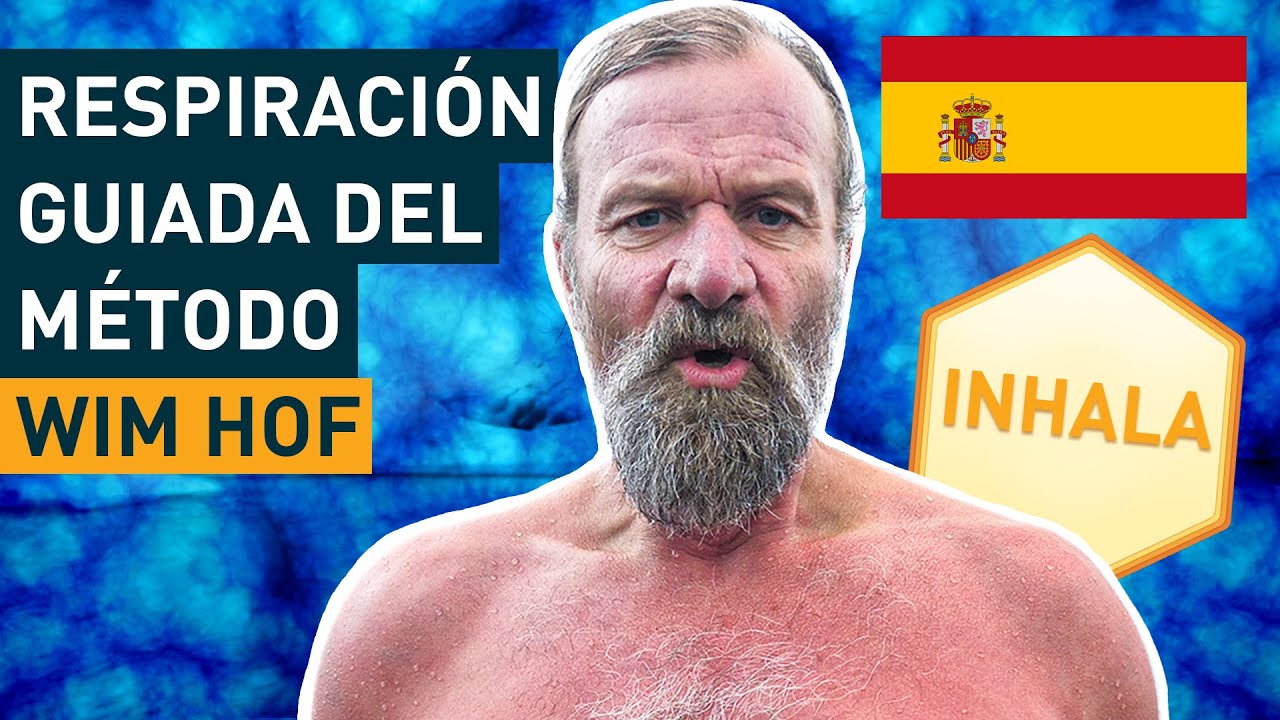
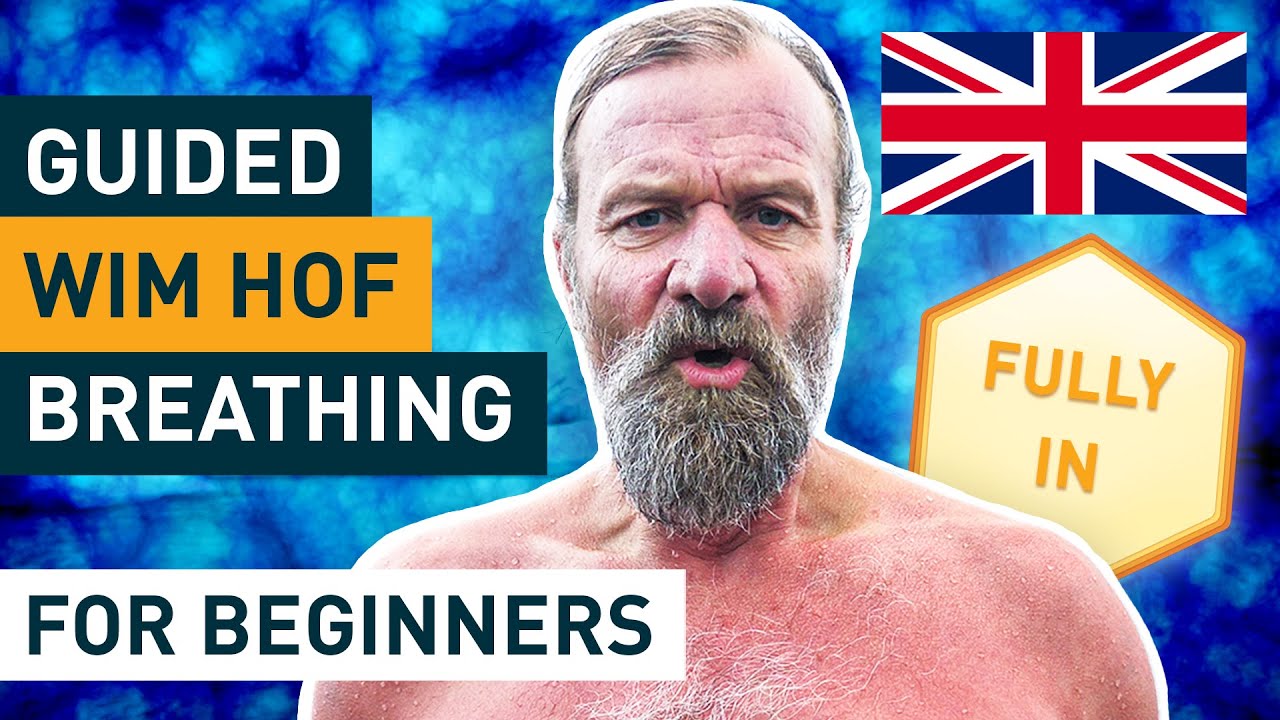
Wim Hof Breathing Method: GuidedPractice for Stress Relief

Wim Hof
Wim Hof
Sep 18, 2020
8 min de lectura
The Wim Hof breathing method is a three-round guided protocol combining rapid, cyclic breathing with progressively longer breath holds and conscious recovery breathing. Each round increases breath-hold duration (30 seconds, 1 minute, 1.5 minutes), triggering physiological changes including altered blood oxygen levels, tingling sensations, and heightened body awareness. The practice requires a safe, seated or lying environment and should never be performed before diving, driving, swimming, or bathing due to shallow-water blackout risk. When practiced as designed, the method produces measurable effects on nervous system regulation and physical sensation.

Leer · 10 secciones

What Is the Wim Hof Breathing Method?

The Wim Hof breathing method is a structured breathing protocol designed to influence the autonomic nervous system and increase physiological control. Unlike meditation or mindfulness breathing, which emphasize calm and stillness, the Wim Hof method employs rapid, forceful breathing cycles followed by extended breath holds—a combination that produces measurable changes in blood chemistry and body state.

The technique consists of three identical rounds, each with the same breathing pattern but progressively longer breath-hold periods. Wim Hof describes the approach in the guided session: "Catch the wave, catch the rhythm—full breath releasing. Just keep going, no pause between inhale and exhale" (0:50). This continuous, rhythmic quality is central to the method's mechanism; the absence of pause between breaths creates a wave-like momentum that accumulates oxygen and carbon dioxide shifts in the bloodstream.

How Does the Three-Round Structure Work?

Each round follows an identical breathing pattern with three distinct phases:

  • Phase 1: Cyclic Breathing – Thirty to forty rapid, full breaths performed in a specific rhythm. The instruction to breathe "into the stomach into the chest and release" (0:50) indicates a full-body breathing pattern, filling the abdomen first and then the chest before releasing completely. This is repeated for approximately 10 cycles, then "another ten full breaths" (1:32), followed by a final set of 5 maximum-effort breaths.
  • Phase 2: Breath Hold – After the final exhale, the breath is held passively for an extended period. Round 1 uses a 30-second hold (2:09), Round 2 extends to 1 minute (3:00–5:00), and Round 3 extends to 1.5 minutes (8:20–9:50). During the hold, Wim instructs practitioners to "feel aware of your body" and explains that "if your arms and legs tingle or you feel your body temperature changing, this is normal" (5:04–5:16).
  • Phase 3: Recovery Breathing – A single deep inhale held for 15 seconds, followed by exhalation. This transitions the nervous system back toward baseline before the next round begins.

What Happens During the Rapid Breathing Cycles?

The rapid, continuous breathing in each round is designed to create a specific blood-chemistry state. By breathing fast and fully without pause, the practitioner increases oxygen intake while simultaneously decreasing carbon dioxide levels through rapid expulsion. This temporary shift—hyperventilation with intention—alkalizes the blood slightly and reduces the CO₂ drive to breathe, which is why the subsequent breath hold becomes possible.

Wim's cue to "just keep going, no pause between inhale and exhale" (1:09) is critical; the continuous rhythm prevents the natural settling that would occur if breath-hold intervals were inserted mid-cycle. The rhythm also creates a meditative focus—watching the bubble expand and contract while syncing breath to its motion anchors attention and prevents distraction.

What Are the Physical Sensations During Practice?

Practitioners commonly experience tingling in the extremities, particularly the hands, feet, and lips. Wim explicitly normalizes this: "If your arms and legs tingle or you feel your body temperature changing, this is normal. You are doing fantastic" (5:04–5:16). These sensations arise from the alkaline shift in blood pH, which alters nerve firing thresholds and muscle tension. The tingling is not dangerous but rather a sign that the method is working as designed.

Other sensations may include a sense of lightness, euphoria, or heightened body awareness. The instruction to "listen to your heartbeat, slow down, and just be in the moment" (2:34–2:51) during the 30-second hold of Round 1 encourages interoceptive attention—noticing what the body is actually doing rather than thinking about it. By Round 3, with a 90-second breath hold, this awareness deepens significantly.

Why Is Safety Emphasized So Strongly?

The guided session opens with a critical safety warning: perform breathing exercises "in a safe environment (e.g., sitting on a sofa/floor)" and "never do this before or during diving, driving, swimming, bathing, or any other environment where it would be dangerous and there is a possibility of losing consciousness." This specificity matters because hyperventilation followed by a prolonged breath hold can cause shallow-water blackout—a loss of consciousness that occurs when blood oxygen becomes critically low, typically in water or when submerged.

The mechanism is counterintuitive: after intense hyperventilation, oxygen saturation remains high for minutes, even as carbon dioxide—the primary trigger for the urge to breathe—stays suppressed. A person can lose consciousness without ever feeling the need to inhale, particularly if they're underwater and the pressure of submersion further delays the CO₂ rebound. The method's website provides specific information: "If you need to breathe before I give the signal, this is normal" (5:16–5:28), but this reassurance applies only to non-aquatic, non-driving, non-submerged environments.

How Should the Breath Holds Progress Across Rounds?

The progression is deliberate and measurable:

  • Round 1 Breath Hold: 30 seconds (2:09–2:29). This is relatively short and allows most practitioners to complete it comfortably on their first attempt. Wim says "great, 30 seconds, breath hold, be in the moment" (2:09), treating this as a baseline.
  • Round 2 Breath Hold: 1 minute (3:00–4:00). Wim notes "hold your breath for one minute, feel aware of your body. If your arms and legs tingle or you feel your body temperature changing, this is normal" (5:00–5:04). By this point, 60 seconds may feel challenging, and the tingling will likely intensify.
  • Round 3 Breath Hold: 1.5 minutes (8:20–9:50). This is the longest and most demanding. Wim offers a crucial option: "Want to extend your breath hold? Pause the video and continue when you feel the urge to breathe" (5:47–5:52). This permission to individualize duration is essential—it acknowledges that nervous system capacity varies and encourages practitioners to respect their own limits.

The progression across rounds serves two purposes. First, it demonstrates increasing respiratory control—the ability to remain calm and present during longer periods of reduced oxygen. Second, it builds confidence and autonomic tone; each successful breath hold reinforces the nervous system's capacity to tolerate stress and change without panic.

What Is the Role of the Audiovisual Bubble?

The video employs a visual breathing bubble that expands and contracts, serving as both a timing mechanism and a focal point. Wim explains: "Just observe how the bubble expands and contracts, and sync your breathing. You'll hear Wim breathing alongside you, and the engaging background sounds help set your environment, allowing you to focus only on your breathing." This multi-sensory approach—visual (bubble), auditory (Wim's breathing and ambient music), and proprioceptive (felt breath and body sensation)—creates an immersive container that reduces external distraction.

The bubble's rhythm is consistently paced, ensuring that all practitioners move through the rapid-breathing phase at the same tempo. This standardization is important for safety and efficacy; an idiosyncratic pace might result in insufficient hyperventilation or, conversely, excessive stress to the nervous system.

How Does Recovery Breathing Transition Between Rounds?

After each breath hold, Wim cues recovery breathing: "Breathing recovery in five, four, three, two, one. Take a deep breath and hold it for 15 seconds. Exhale in three, two, one, release" (2:34–2:45). This phase is critical for nervous system recalibration. The deep inhale re-oxygenates blood rapidly, while the 15-second hold allows that fresh oxygen to distribute to tissues. The exhale then signals the body to return toward parasympathetic (rest-and-digest) tone.

This recovery is also where the distinction between the three rounds becomes subtle but significant. By Round 3, having just completed a 90-second breath hold, the recovery breathing feels more necessary and more restorative—the system has been pushed closer to its edge, and the controlled rebound is palpable.

What Should Happen After the Session Ends?

After Round 3 concludes, Wim instructs: "Let your breathing return to normal. When you have finished the round, move your body little by little, starting with your fingers and toes. Let your breathing normalize" (10:12–10:24). This gradual re-integration prevents dizziness or disorientation that might occur if someone stood suddenly after a 90-second breath hold.

The entire protocol—including all three rounds and recovery—takes approximately 11 minutes. The effect, however, extends beyond the session; practitioners often report sustained calm, mental clarity, or increased energy for hours afterward, depending on their baseline state and sensitivity to the practice.

Where to Go from Here

The guided video is an entry point, not a complete system. The Wim Hof Method includes additional practices: cold-water exposure, meditation, and exercise protocols that synergize with breathing work. The official website and free mobile app provide video courses, longer guided sessions, and a community structure for progressively deeper engagement. For those curious about the science, the method has been studied in peer-reviewed research examining its effects on immune function, stress hormones, and voluntary control of the autonomic nervous system. The key—always emphasized in Wim's instructions—is to practice safely, respect individual capacity, and allow the effects to unfold without forcing or straining.

]]>
Comments

Loading the conversation…

Transcript

[0:00] Hi people welcome to the

[0:04] guided breathing session deeply relax

[0:08] lie down or sit all you need is to

[0:12] relax

[0:14] you are ready

[0:16] starting round number 1

[0:21] inhale exhale inhale

[0:26] exhale just go with the flow of

[0:30] your breath

[0:35] inhale-exhale inhale-exhale

[0:46] inhale-exhale

[0:48] [music]

[0:50] into the stomach into the chest and release catch the wave

[0:57] catch the rhythm

[1:00] full breath releasing

[1:05] just keep going

[1:09] no pause between inhale and exhale

[1:20] [music]

[1:32] another ten full breath and releasing

[1:42] [music]

[1:52] another 5 let's give it our all

[1:56] [music]

[2:03] and the last full breath

[2:09] and release great 30 seconds

[2:14] breath hold be in the moment

[2:21] let your bodies do what they need to

[2:27] listen to your heartbeat slow down and

[2:31] just be in the moment good

[2:36] breathing recovery in five four three two

[2:39] one

[2:43] take a deep breath and hold it

[2:45] for 15 seconds exhale in three two

[2:59] one release round number 2

[3:07] inhale-exhale

[3:11] inhale-exhale

[3:12] [music]

[3:23] [music] inhale exhale inhale

[3:25] exhale inhale exhale stomach

[3:37] chest and release like a wave

[3:42] catch the rhythm

[3:44] [music]

[3:47] full house and let go just continue

[3:54] no pause between inhale and exhale

[3:58] [music]

[4:06] [music]

[4:19] and 10 more full house and let go good

[4:25] deep cyclical inhales

[4:37] 5 more let's give it our all

[4:46] [music]

[4:52] last full breath and on the exhale stop

[5:00] hold your breath for one minute

[5:04] feel aware of your body if your

[5:10] arms and legs tingle or you feel

[5:13] your body temperature changing this is

[5:16] normal you are doing fantastic if

[5:28] you need to breathe before I give

[5:31] the signal this is normal

[5:32] [music]

[5:41] you are almost there

[5:47] want to extend your breath hold pause the

[5:49] video and continue

[5:52] when you feel the urge to breathe

[5:58] when you are ready at the tank inhale and

[6:02] hold for 15 seconds exhale after three two

[6:13] one release round number three

[6:25] get back into the rhythm inhale exhale inhale exhale inhale

[6:29] exhale

[6:48] into stomach into chest and release like a wave

[6:55] catch the rhythm full breath and releasing

[7:03] just continue no pause between

[7:08] inhale and exhale

[7:11] [music]

[7:38] ten more full breaths and let go

[7:45] good deep cyclical breaths

[7:56] another 5 let's give it our all

[8:06] [music]

[8:10] and the last full breath and on the exhale

[8:16] column from this point hold your breath

[8:20] for a minute and a half

[8:23] [music]

[8:31] we

[8:34] are aware that the blood is flowing through your veins

[8:38] your heart is beating feel

[8:43] [music]

[9:18] 30 seconds left

[9:21] [music]

[9:28] you are almost there

[9:35] want to extend the breath hold

[9:38] pause the video and continue

[9:41] when you feel the urge to inhale inhale

[9:49] and hold for 15 seconds

[9:55] [music]

[10:02] exhale after three two one let

[10:06] go let your breathing return

[10:12] to normal when you have finished the round

[10:15] move your body little by little starting with your

[10:18] fingers and toes

[10:21] let your breathing normalize if

[10:27] you enjoyed this guided

[10:30] breathing session there is much more for you

[10:33] we have a free app on our

[10:36] website

[10:37] download it it's great stuff thank you

[10:41] for your time and I wish you good

[10:43] night or a good day and a good life

[10:47] all the love all the

[10:49] strength

Wim Hof
ArtistWim Hof

Dutch extreme athlete known as 'The Iceman' for his ability to withstand extreme cold. Developed the Wim Hof Method combining breathing techniques, cold exposure, and meditation, w…

Ver perfilSitio web
Explorar temas
Wim-hof-methodBreathing-exercisesBreath-workAutonomic-nervous-systemStress-relief

¿Tienes Preguntas?

Preguntas Frecuentes

The Wim Hof method is a three-round breathing protocol combining rapid cyclic breathing (30-40 breaths per round) with progressively longer breath holds (30 seconds, 1 minute, 1.5 minutes). The rapid breathing hyperventilates the bloodstream, reducing CO₂ and allowing extended breath-holds without the urge to breathe. Each round concludes with deep recovery breathing to re-oxygenate before the next cycle.
Yes, tingling in the hands, feet, and lips is a normal physiological response to the alkaline shift in blood pH that occurs during rapid breathing. Wim explicitly states this is expected and indicates the method is working as designed. Temperature changes and other bodily sensations are also normal and not cause for concern in a safe environment.
The method creates a condition called shallow-water blackout when combined with water immersion. Hyperventilation suppresses CO₂ (the body's primary urge-to-breathe signal), so a person can lose consciousness underwater without feeling the need to breathe. This is why the method must only be practiced sitting or lying down in a safe, non-aquatic environment.
A complete three-round session, including cyclic breathing, breath holds, and recovery phases, takes approximately 11 minutes. Round 1 involves a 30-second breath hold, Round 2 involves 1 minute, and Round 3 involves 1.5 minutes, with progressive increases in intensity and physiological demand.
Yes, Wim explicitly offers the option to pause the video and extend breath holds beyond the timed duration. However, this should only be done if you feel comfortable and are still in a safe environment. The suggested timings (30 seconds, 1 minute, 1.5 minutes) are designed for most practitioners and should be respected until you have significant experience.
The expanding and contracting bubble serves as a visual metronome that synchronizes your breathing with Wim's rhythm. Combined with ambient sounds and Wim's audible breathing, it creates a multi-sensory container that minimizes distractions and ensures all practitioners move through the cycles at the same standardized pace for safety and consistency.
Wim's instruction to breathe 'into the stomach, into the chest' describes a full-body breathing pattern where the diaphragm and abdominal organs expand first, followed by rib-cage expansion. This maximizes the volume of each breath and the amount of oxygen intake during the rapid-breathing phase, deepening the physiological effect compared to shallow chest-breathing alone.

Seguir leyendo

More from Wim

Ver Todo
Wim Hof Breathing Exercises: Guided 3-Round Protocol for Beginners
Inspire

Wim Hof Breathing Exercises: Guided 3-Round Protocol for Beginners

Learn the three-round Wim Hof breathing technique at a slower pace, progressing from 30-second to 90-second breath holds for nervous system …

1 min read
Wim Hof Method Breathing for Beginners: 3-Round Slow-Pace Guide
Inspire

Wim Hof Method Breathing for Beginners: 3-Round Slow-Pace Guide

Learn the Wim Hof Method's three-round breathing technique designed for beginners, progressing from 30-second to 90-second breath holds with…

1 min read
Jaw Clenching: The Body's Honest Stress Signal
Inspire

Jaw Clenching: The Body's Honest Stress Signal

Jaw clenching during meditation shows what you don't realize about your stress levels. The body's wisdom reveals gaps between perceived and …

1 min read
You Are Not the Body: Understanding Your True Nature
Inspire

You Are Not the Body: Understanding Your True Nature

Eckhart Tolle explores the distinction between physical form and deeper consciousness, arguing that your essence transcends bodily existence…

1 min read

Sigue explorando

Continúa tu camino

Más sabiduría y encuentros de todo el directorio de BrightStar.

Más artículos

Recorre la biblioteca completa de enseñanzas, entrevistas y guías.

Ver todos los artículos →

Maestros y artistas

Explora los linajes, músicos y guías del mundo consciente.

Explorar artistas →

Encuentra un evento

Kirtan, retiros, baños de sonido, breathwork, festivales — muy pronto.

Ver eventos →