
EveryGetaway

Ver Todos los Retreats

Find your transformative retreat

retreats

Yoga Retreats
Meditation Retreats
Wellness Retreats
Spiritual Retreats
Adventure Retreats
Creative Retreats
Couples Retreats
Detox & Cleanse
Fitness Retreats
Corporate Retreats
Destinos Populares
BaliSedonaLos AngelesCosta RicaNew YorkSan FranciscoAustinMiamiJoshua TreeTulum
Ver Todas las CategoríasVer Todos los Destinos

Explorar Todas las Características

Herramientas poderosas para hacer crecer tus eventos

Características de la Plataforma

Precios Dinámicos Inteligentes
Categorías de Entradas
Asientos Asignados
Recuperación de Carritos
Recuperación de Visitantes
Donaciones y Escala Móvil
Motor de Afiliados
Escáner de Entradas
Códigos de Cupón
Preguntas Personalizadas
Compartir Entradas
Ventas Adicionales
Análisis e Informes
Secuencias de Email
Lista de Espera / Notificar / Recordar
Personas y Lugares
Retreat LeadersRetreat OrganizersRetreat CentersKnowledge BaseInspiration
Ver Todas las CaracterísticasSobre Nosotros
PreciosBlog
Language
Saved events
Ver Todos los Eventos

retreats

Yoga RetreatsMeditation RetreatsWellness RetreatsSpiritual RetreatsAdventure RetreatsCreative RetreatsCouples RetreatsDetox & Cleanse

Destinos Populares

BaliSedonaLos AngelesCosta RicaNew YorkSan Francisco

Personas y Lugares

Retreat LeadersRetreat OrganizersRetreat CentersKnowledge BaseInspiration

Características de la Plataforma

Precios Dinámicos InteligentesCategorías de EntradasAsientos AsignadosRecuperación de CarritosRecuperación de VisitantesDonaciones y Escala MóvilMotor de AfiliadosEscáner de EntradasCódigos de CupónPreguntas PersonalizadasCompartir EntradasVentas AdicionalesAnálisis e InformesSecuencias de EmailLista de Espera / Notificar / Recordar
Ver Todas las CaracterísticasSobre Nosotros
PreciosBlog
Iniciar sesiónSeekersRetreat leaders
  • Ver Todos los Retreats
  • Para Buscadores
  • Yoga Retreats
  • Meditation Retreats
  • Wellness Retreats
  • Spiritual Retreats
  • Adventure Retreats
  • Creative Retreats
  • Couples Retreats
  • Detox & Cleanse
  • Fitness Retreats
  • Corporate Retreats
  • Retiros
  • Talleres
  • Todas las Categorías →
  • Bali, Indonesia
  • Costa Rica
  • Tulum, Mexico
  • Sedona, Arizona
  • Thailand
  • Portugal
  • India
  • Hawaii
  • Greece
  • Spain
  • California
  • Colorado
  • Sri Lanka
  • Morocco
  • Todas las Ciudades →
  • Para Retreat leaders
  • Para Organizaciones
  • Precios
  • Red de +500K Compradores
  • Recuperación de Carritos
  • Precios Dinámicos Inteligentes
  • Categorías de Entradas
  • Eventos Recurrentes
  • Asientos Asignados
  • Motor de Afiliados
  • Lista de Espera / Notificar
  • Escáner de Entradas
  • Widget Embebido
  • Sindicación de eventos
  • Centro de mensajes
  • Integraciones
  • Reportes
  • Todas las Características →
  • Acerca de
  • El ecosistema
  • Blog
  • Glosario
  • Inspiración
  • Centro de Ayuda
  • Contacto
  • Documentación API
  • Recursos de Marca
  • Carreras
  • Prensa
  • Términos de Servicio
  • Política de Privacidad

Retreats

  • Ver Todos los Retreats
  • Para Buscadores
  • Yoga Retreats
  • Meditation Retreats
  • Wellness Retreats
  • Spiritual Retreats
  • Adventure Retreats
  • Creative Retreats
  • Couples Retreats
  • Detox & Cleanse
  • Fitness Retreats
  • Corporate Retreats
  • Retiros
  • Talleres
  • Todas las Categorías →

Destinos

  • Bali, Indonesia
  • Costa Rica
  • Tulum, Mexico
  • Sedona, Arizona
  • Thailand
  • Portugal
  • India
  • Hawaii
  • Greece
  • Spain
  • California
  • Colorado
  • Sri Lanka
  • Morocco
  • Todas las Ciudades →

Para Retreat leaders

  • Para Retreat leaders
  • Para Organizaciones
  • Precios

Características

  • Red de +500K Compradores
  • Recuperación de Carritos
  • Precios Dinámicos Inteligentes
  • Categorías de Entradas
  • Eventos Recurrentes
  • Asientos Asignados
  • Motor de Afiliados
  • Lista de Espera / Notificar
  • Escáner de Entradas
  • Widget Embebido
  • Sindicación de eventos
  • Centro de mensajes
  • Integraciones
  • Reportes
  • Todas las Características →

Empresa

  • Acerca de
  • El ecosistema
  • Blog
  • Glosario
  • Inspiración
  • Centro de Ayuda
  • Contacto
  • Documentación API
  • Recursos de Marca
  • Carreras
  • Prensa
  • Términos de Servicio
  • Política de Privacidad
EveryGetaway
© 2026 EveryGetaway. Todos los derechos reservados.
Retreats

Kindness as theCurrency of Becoming

1440 Multiversity
1440 Multiversity
Oct 3, 2018
6 min de lectura
Ver · 5

Kindness, as most understand it, is something simple—a gesture offered, a courtesy extended. But Naomi Shihab Nye's poem "Kindness" demolishes that surface reading entirely. What emerges instead is a path through devastation, a hard-won arrival at compassion only after the ground beneath us has given way completely. The poem doesn't describe kindness as virtue. It describes kindness as the surviving architecture of a self that has been stripped bare.

The piece opens with a paradox: "Before you know what kindness really is / you must lose things." This is not metaphorical loss—not the loss of innocence or illusions, though those may come. Nye is speaking of concrete, felt deprivation. "What you held in your hand / what you counted and carefully / saved this must go." The repetition—held, counted, saved—accumulates the weight of attachment, the particular American anxiety about possession and security. And then the instruction: this must go. Not should go. Not will eventually go. Must. There is no negotiation with loss in Nye's geography. It is a prerequisite, not a punishment.

What makes this poem so unsettling—and so true—is that it refuses sentimentality about suffering. The desolation that follows loss isn't presented as ennobling or clarifying in any immediate way. Instead, Nye describes the bleakness of transition: "how desolate the landscape can be / between the regions of kindness." Notice the phrase: between the regions. Kindness isn't a single state you arrive at. It's a geography with inhabited zones and wasteland passages. You don't skip from loss to compassion. You traverse a desert in between.

Leer · 4 secciones

The Weight of Witness

The second movement of the poem pivots to witness. "Before you learn the tender gravity of kindness / you must travel where the Indian in a white poncho / lies dead by the side of the road." This is no longer abstraction. Nye grounds the spiritual practice of kindness in the specificity of real suffering—a particular man, a particular garment, a particular place of abandonment. The detail matters. The white poncho is not generic. It carries cultural specificity; it marks the man as indigenous, as "other," as the kind of person whose death by the roadside might go unmarkcd.

"You must see how this could be / you." This line is the hinge of the entire poem. Kindness is not pity from a distance. It is the collapse of that distance. It is the recognition that you and the dead man are not ontologically separate—that circumstances, chance, and the fragility of breath are the only differences between observer and observed. This is the "tender gravity" Nye names: the weight that pulls you down when you truly understand that the other's vulnerability is also your own.

The poem continues: "he too was someone who journeyed / through that night with plans / and the simple breath that kept him alive." Here is the radical humanizing move. Not sentimentality, but fact. The dead man had plans. He had breath. He had the same basic equipment for consciousness that you do. And it wasn't enough to save him. This is not a comforting realization. It's the ground of real compassion—not the idea that everyone is essentially good, but that everyone is essentially mortal, vulnerable, and engaged in the same impossible project of staying alive.

Sorrow as the Gateway to Knowing

The third and final movement asks for something harder still: "Before you know kindness as the deepest thing inside / you must know sorrow as the other deepest thing." This is the poem's most radical claim. Sorrow is not a barrier to kindness. Sorrow is its twin. You cannot know one without the other because they share the same root: the recognition that we are not invulnerable, and that others are not invulnerable either.

What follows is a prescription for how one truly knows sorrow: "you must wake up with sorrow / you must speak to it till your voice catches / the thread of all sorrows / and you see the size of the cloth." Wake up with it, not from it—sorrow as a companion through the day. And then the extraordinary move: speaking to it until your voice "catches the thread of all sorrows." This is the moment when personal grief becomes universal. You are no longer mourning your own losses. You are touching the vast tapestry of human suffering. You see "the size of the cloth"—the immensity of what has been lost and broken across time and place.

Only from that vantage point does kindness make sense. "Then it is only kindness that makes sense anymore / only kindness that ties your shoes and sends you out into the day." Notice the domesticity of this act. It's not noble or grand. Kindness ties your shoes. It gets you dressed. It propels you, practically, into the world. It is both transcendent and utterly ordinary.

Kindness as Recognition

The poem's final image is haunting and luminous: "only kindness that raises its head from the crowd of the world / to say it is I / you have been looking for / and then goes with you everywhere like a shadow or a friend." Kindness is what looks back at you from the crowd—not as stranger but as recognition. It is what you have been seeking, perhaps without knowing it. And once encountered, it doesn't vanish. It becomes as constant as a shadow, as intimate as a friend.

What Nye has written is not a sentimental poem about being nice to people. It is a phenomenology of how consciousness itself must be reconstructed after loss and sorrow. Kindness is not an impulse or a moral virtue. It is what remains when everything else has been burned away—the irreducible human capacity to see another and know: this could be me. And from that knowledge, to act.

The poem speaks to something essential about spiritual maturity: it cannot be rushed. There are no shortcuts to real compassion. You must lose, you must witness, you must grieve. Only then does kindness become not an idea but a way of moving through the world—"like a shadow or a friend," inseparable from your own becoming.

Where to go from here

If Nye's poem has struck you, consider sitting with your own relationship to loss and sorrow. Not to wallow, but to recognize their role in your own capacity for compassion. What have you lost that you once carefully saved? Whose death or struggle have you witnessed that changed how you see the fragility in yourself? These are not comfortable questions, but they are the ones Nye insists we ask if we want to understand kindness not as sentiment but as truth.
Comments

Loading the conversation…

Transcript

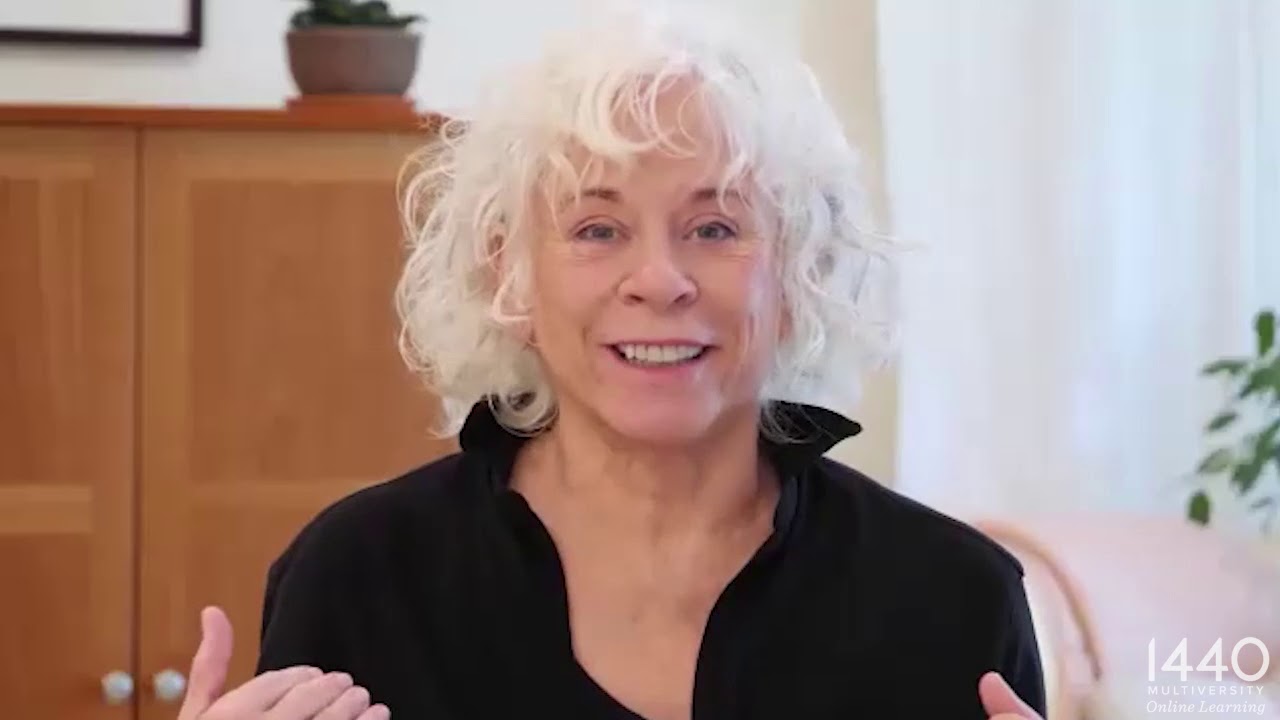
[0:06] kindness before you know what kindness

[0:11] really is you must lose things feel the

[0:14] future dissolve in a moment like salt in

[0:18] a weakened broth what you held in your

[0:21] hand what you counted and carefully

[0:24] saved this must go so you know how

[0:29] desolate the landscape can be between

[0:33] the regions of kindness how you ride and

[0:37] ride thinking the bus will never stop

[0:40] the passengers eating maize and chicken

[0:44] will stare out the window forever before

[0:49] you learn the tender gravity of kindness

[0:52] you must travel where the Indian in a

[0:56] white poncho lies dead by the side of

[0:59] the road you must see how this could be

[1:02] you he too was someone who journeyed

[1:07] through that night with plans and the

[1:10] simple breath that kept him alive before

[1:15] you know kindness as the deepest thing

[1:18] inside you must know sorrow as the other

[1:23] deepest thing you must wake up with

[1:26] sorrow you must speak to it till your

[1:30] voice catches the thread of all sorrows

[1:34] and you see the size of the cloth then

[1:40] it is only kindness that makes sense

[1:43] anymore only kindness that ties your

[1:46] shoes and sends you out into the day to

[1:50] gaze at bread only kindness that raises

[1:55] its head from the crowd of the world to

[1:58] say it is I you have been looking for

[2:01] and then goes with you everywhere like a

[2:06] shadow or a friend

[2:11] you

1440 Multiversity
Artist1440 Multiversity

1440 Multiversity is a 75-acre nonprofit learning retreat in the redwoods of Scotts Valley, California, founded by philanthropists Joanie and Scott Kriens and opened in May 2017. N…

Ver perfilSitio web
Explorar temas
KindnessSorrowCompassionLossWitness

¿Tienes Preguntas?

Preguntas Frecuentes

Nye argues that real kindness cannot exist as an abstract virtue—it requires lived experience of loss and deprivation. Only when you have lost what you carefully held and saved can you truly understand vulnerability and connect with others' suffering in a non-sentimental way.
Nye uses the image of witnessing a dead man to collapse the distance between self and other. Kindness, in her view, requires recognizing that the other person's mortality and vulnerability are your own—that 'this could be you'—not as pity but as fundamental human recognition.
Rather than opposing kindness, sorrow is presented as its twin root. You must know sorrow deeply—waking with it, speaking to it until your voice 'catches the thread of all sorrows'—to understand the universal human vulnerability that kindness addresses.
This phrase grounds kindness in the practical, domestic realm rather than presenting it as an abstract ideal. Kindness is what gets you moving through the world after loss and grief—ordinary, necessary, and inseparable from how you live day to day.
Nye suggests kindness is something that emerges or reveals itself through specific experiences—loss, witness, sorrow—rather than something we develop through effort. It's more like recognition: 'it is I you have been looking for,' already present but only visible after the journey through devastation.
Rather than presenting kindness as a simple choice or moral imperative, Nye describes it as a hard-won arrival that requires genuine suffering and the collapse of ego. There's no sentimentality or bypass of grief—kindness emerges only after you've been stripped down by loss.

Seguir leyendo

More on Retreats

Ver Todo
How to Stop Retelling Your Story of Suffering
Inspire

How to Stop Retelling Your Story of Suffering

Gangaji explores how our unnecessary suffering stems from repetitive storytelling—and how meeting a true teacher can reveal the peace alread…

1 min read
Beyond the Story: Freedom Begins With Stillness
Inspire

Beyond the Story: Freedom Begins With Stillness

Gangaji explores how our repeated narratives create unnecessary suffering—and how the choice to stop, listen, and open reveals what's alread…

1 min read
Govinda Jaya: How Sacred Sound Awakens the Heart
Inspire

Govinda Jaya: How Sacred Sound Awakens the Heart

Radhika Das channels the liberating power of mantra through a luminous kirtan performance at Medicine Festival, invoking divine names to pur…

1 min read
Spiritual Imagination: Breaking Free from Fear's Grip
Inspire

Spiritual Imagination: Breaking Free from Fear's Grip

When fear takes over, imagination contracts into division. Spiritual imagination grounded in presence opens us to healing, shared humanity, …

1 min read

Sigue explorando

Continúa tu camino

Más sabiduría y encuentros de todo el directorio de BrightStar.

Más artículos

Recorre la biblioteca completa de enseñanzas, entrevistas y guías.

Ver todos los artículos →

Maestros y artistas

Explora los linajes, músicos y guías del mundo consciente.

Explorar artistas →

Encuentra un evento

Kirtan, retiros, baños de sonido, breathwork, festivales — muy pronto.

Ver eventos →