What is IDM?
IDM—short for Intelligent Dance Music—is a style of electronic music that emerged in the early 1990s, defined by experimental sound design, intricate rhythms, and a listening-focused aesthetic rather than dancefloor functionality. Unlike its electronic dance music (EDM) predecessors designed for club environments, IDM prioritizes sonic exploration, textural complexity, and what Warp Records termed “electronic listening music.” The genre combines influences from ambient techno, acid house, Detroit techno, and breakbeat, layering glitchy percussion, analog synthesizer melodies, and atmospheric soundscapes to create immersive auditory experiences. In spiritual and wellness contexts, IDM has gained traction as a medium for meditation, psychedelic therapy, and brainwave entrainment due to its capacity to induce altered states of consciousness without traditional instrumentation.
Origins & Lineage
The term IDM originated with the 1992 Warp Records compilation Artificial Intelligence, released on July 6, 1992. The album’s sleeve notes invited listeners: “Are you sitting comfortably? Artificial Intelligence is for long journeys, quiet nights and club drowsy dawns.” Sheffield-based Warp co-founder Steve Beckett described the release as music “you could sit down and listen to like you would a Kraftwerk or Pink Floyd album,” marking a deliberate departure from rave culture’s kinetic imperative. The compilation featured Aphex Twin (as The Dice Man), Autechre, Speedy J, and The Orb, among others.
The acronym “IDM” itself emerged in 1993 when Brian Behlendorf founded an electronic mailing list to discuss artists from the Artificial Intelligence compilation. The term quickly spread through nascent internet communities, though it was never officially adopted by Warp and has been widely rejected by artists themselves. Aphex Twin commented in 1997: “It’s basically saying ‘this is intelligent and everything else is stupid.’ It’s really nasty to everyone else’s music.”
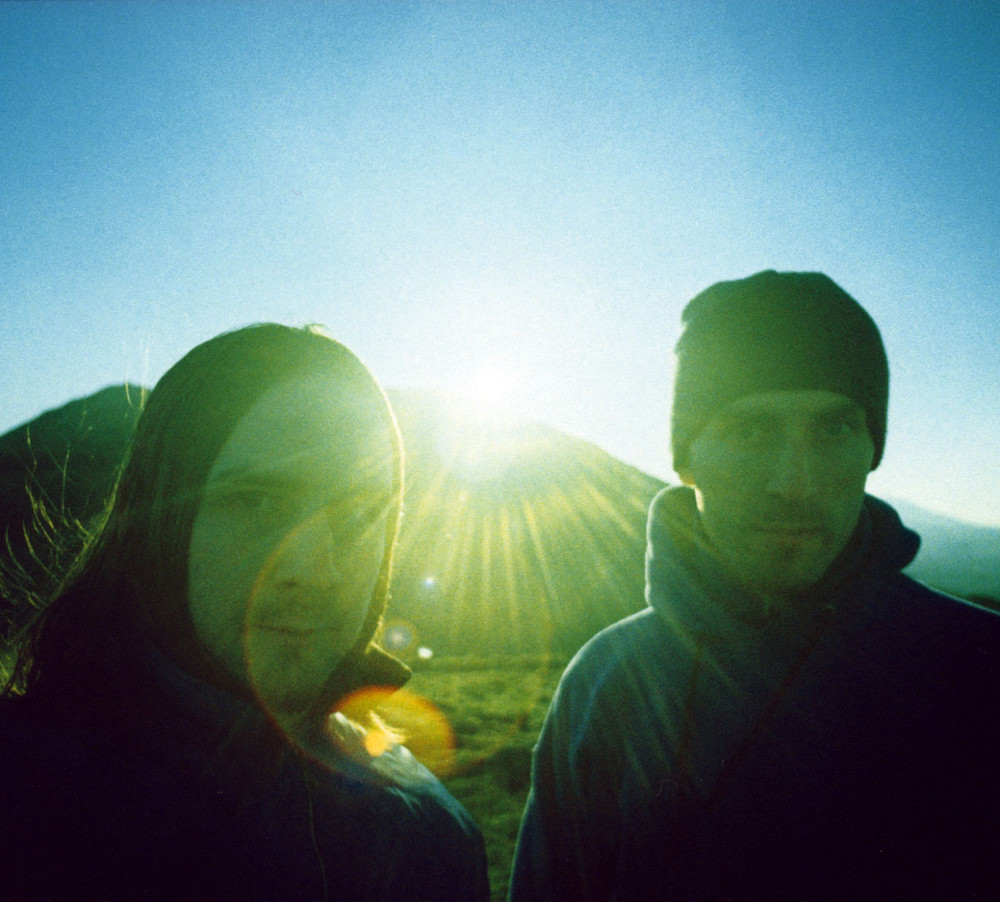
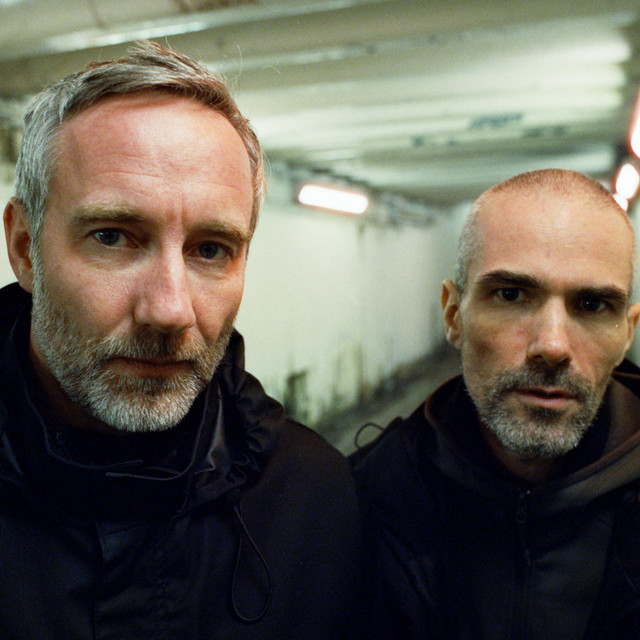
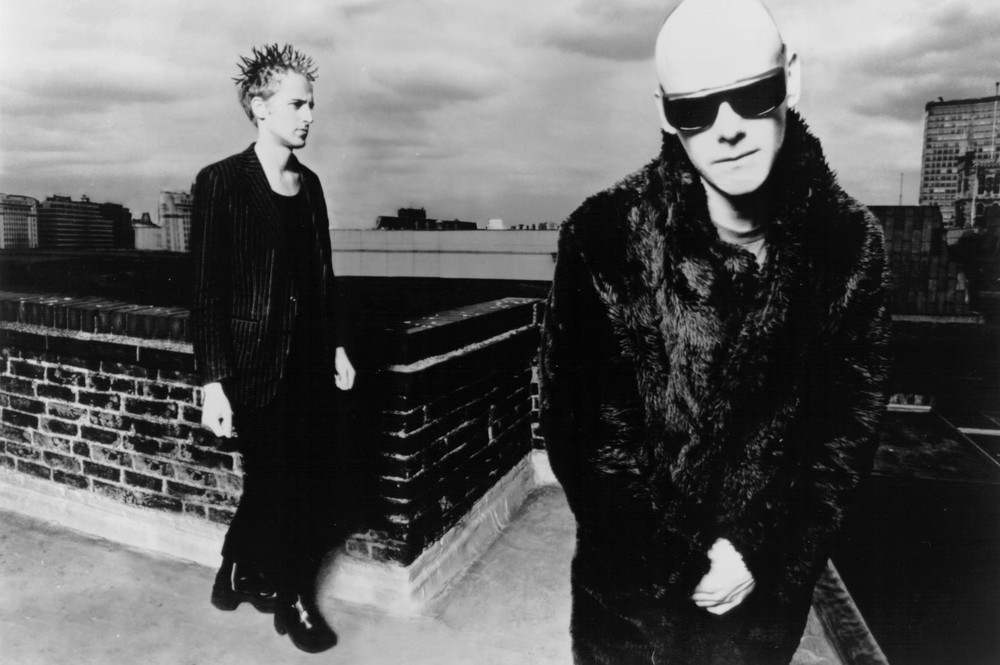
Key pioneering figures include Richard D. James (Aphex Twin), whose 1992 Selected Ambient Works 85-92 helped define the genre’s ambient-techno hybridity; British duo Autechre (Rob Brown and Sean Booth), known for algorithmic complexity; and Boards of Canada, whose nostalgic, pastoral electronica expanded IDM’s emotional range. The genre evolved through the 1990s alongside the decline of UK rave culture, positioning itself as post-rave introspective music.
How It’s Practiced
In spiritual contexts, IDM functions as a sonic container for inner work. Practitioners use the genre’s repetitive-yet-evolving structures to anchor attention during seated meditation, movement practices, or psychedelic journeys. The music’s characteristic features—mid-tempo rhythms (typically 90-130 BPM), absence of lyrics, and gradual textural shifts—facilitate what meditation teacher Belinda Matwali calls the “meditation bandwidth,” a state of relaxed alertness conducive to contemplative absorption.
Modern applications include:
- Active meditation classes pairing faster IDM/techno tracks with somatic shaking (inspired by practices like Osho Dynamic Meditation), followed by ambient IDM for deep relaxation
- Psychedelic therapy sessions using albums like Jon Hopkins’ Music for Psychedelic Therapy (2021) to guide set and setting
- Brainwave entrainment leveraging IDM’s rhythmic patterns and bass frequencies to induce gamma or theta brainwave states
- Ecstatic dance and conscious clubbing events where DJs curate IDM sets for non-substance-altered transcendence
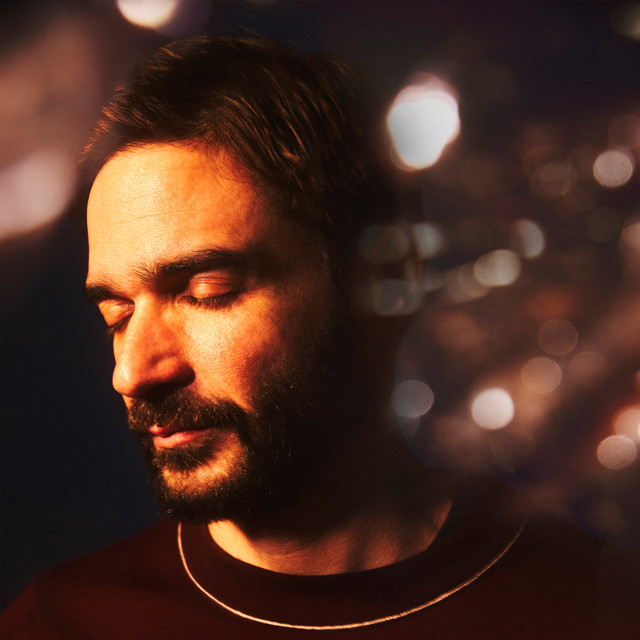
Artists like Jon Hopkins explicitly create for meditative contexts; his playlists for “meditations and psychedelic journeys” have been publicly shared since 2020. The genre’s “hypnotic quality established through repetition”—a trait scholar Richard Trombley links to minimalist composition and psychedelic culture—makes it functionally similar to traditional drone-based practices from Tantric or Sufi traditions, adapted for digital-age listeners.
IDM Today
Seekers encounter IDM through multiple channels: streaming playlists tagged “ambient meditation” or “psychedelic therapy”; wellness festivals where Electronic Music Meditation classes combine breathwork with tracks by Four Tet, Burial, or Floating Points; and retreat centers incorporating “sound journey” sessions. The genre has merged with wellness infrastructure—apps like MEYA partner with DJs like Lee Burridge to offer IDM-based meditation programs, while yoga studios soundtrack slow-flow classes with Boards of Canada or Tycho.
Contemporary artists bridging IDM and consciousness work include Hopkins, whose 2024 album Ritual was designed for ceremonial use; Rival Consoles; and labels like Leaving Records, which position releases within harm-reduction and healing frameworks. The genre’s adoption into institutional contexts—university counseling centers, psychedelic-assisted therapy clinics—marks its transition from fringe rave offshoots to legitimate modality.
Common Misconceptions
IDM is not universally “intelligent” or superior; the term is a historical artifact of 1990s marketing and internet culture, rejected by most practitioners. It is not synonymous with all ambient or downtempo music—classical ambient (Brian Eno) or new age lacks IDM’s rhythmic complexity and experimental edge. It is not inherently spiritual; most IDM was created for aesthetic experimentation, not metaphysical aims. The recent wellness appropriation represents one interpretive thread, not the genre’s essence.
IDM is not easily categorized—boundaries blur with glitch, microsound, ambient techno, and “electronica.” Purists debate whether artists like Burial or James Blake qualify. The term’s elitism and Eurocentrism have been critiqued; African diasporic contributions to Detroit techno (Carl Craig, Jeff Mills) are sometimes erased in IDM narratives.
How to Begin
Start with foundational listening: Aphex Twin’s Selected Ambient Works Volume II (1994) for pure ambient drift; Boards of Canada’s Music Has the Right to Children (1998) for melody and nostalgia; Autechre’s Tri Repetae (1995) for rhythmic abstraction. For meditation-specific applications, Jon Hopkins’ Music for Psychedelic Therapy offers structured 41-minute soundscapes designed for therapeutic journeys.
Explore Electronic Music Meditation classes (taught by Belinda Matwali and others) that guide participants through embodied IDM listening. Experiment with personal practice: select a 60-90 minute DJ mix or playlist, use over-ear headphones, and sit or lie in a quiet space. Let the music’s repetition and texture guide attention without forcing concentration. Notice how complex rhythms and evolving timbres mirror the mind’s own fluctuations.
For deeper context, read Simon Reynolds’ Energy Flash (1998) on rave culture’s transformation, or explore Warp Records’ Artificial Intelligence series. Engage critically: recognize IDM as a cultural artifact shaped by specific historical and technological conditions, not a timeless spiritual technology.