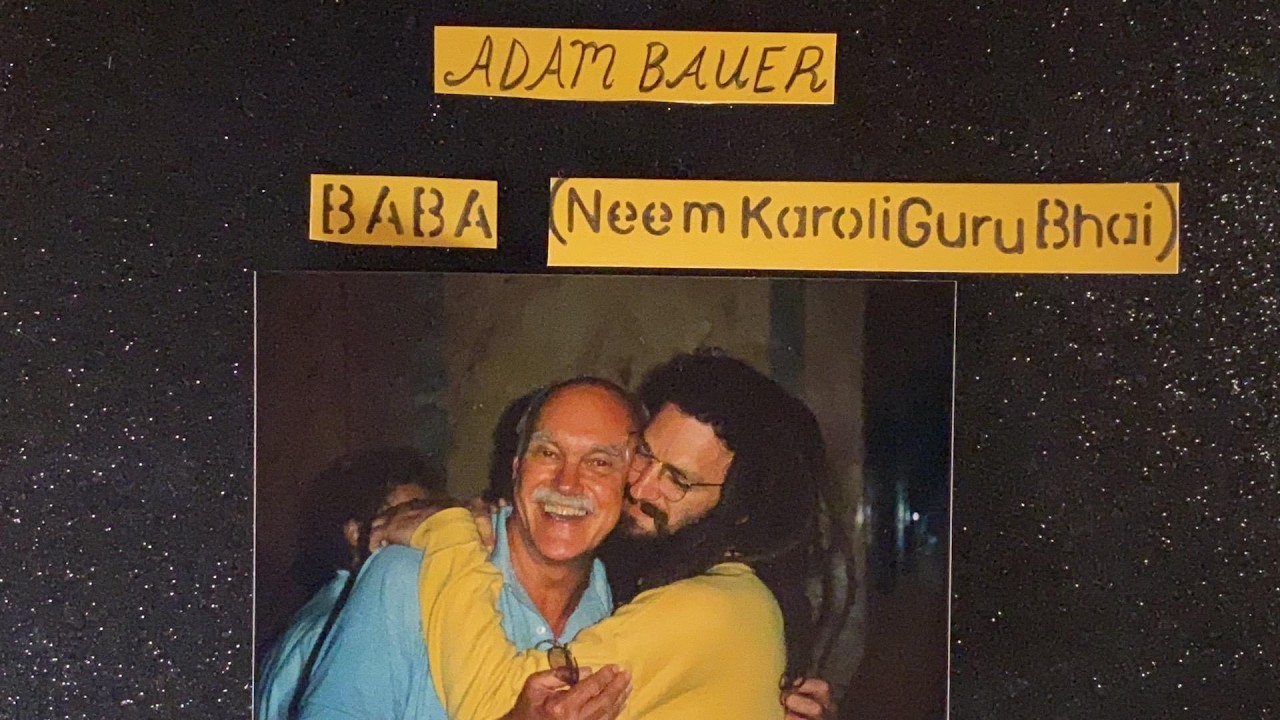
Neem Karoli Baba's profound assertion, "In every act of love, God is present," invites us to explore the sacredness woven into our everyday interactions. This statement serves as a reminder that love is not merely an emotion or a fleeting sentiment; it is a manifestation of the divine itself. Recognizing this presence can transform our understanding of love, urging us to see it as a spiritual practice that connects us to something greater than ourselves. In a world often marked by division and disconnection, this perspective holds the potential to cultivate unity and compassion.
Delving deeper into this quote, we find that it challenges us to reconsider our relationship with love and the divine. It suggests that love is not just an isolated experience but a continuous thread that links us to God and to one another. This understanding compels us to approach our interactions with mindfulness and reverence, acknowledging that each act of kindness, compassion, or affection is imbued with divine significance. In this light, love becomes a pathway to spiritual awakening, a means through which we can experience the presence of the divine in our lives.
The image / the metaphor
The imagery in Neem Karoli Baba's quote evokes a sense of intimacy and immediacy. The phrase "every act of love" encompasses a wide range of human experiences, from the simplest gestures of kindness to profound acts of sacrifice. The verb "is" suggests a state of being, indicating that God's presence is not a distant reality but an ever-present force in our lives. This notion invites us to feel the warmth of divine love in our daily interactions, encouraging us to recognize the sacredness in what might otherwise be seen as mundane.
Going deeper into the metaphor, we can see that love acts as a bridge between the human and the divine. Each act of love becomes a sacred offering, a moment where the material world intersects with the spiritual. This perspective encourages us to engage in our relationships with a sense of purpose and intention, understanding that through love, we are participating in a divine dance. The presence of God in these moments serves as a reminder that we are never alone; rather, we are continuously supported and guided by a higher power as we navigate the complexities of human connection.
In the speaker's tradition
Neem Karoli Baba's teachings are deeply rooted in the bhakti tradition, which emphasizes devotion and love as pathways to experiencing the divine. In bhakti, the concept of love transcends mere emotion; it becomes a form of worship, a way to express our connection to God. This tradition teaches that through acts of love, we can cultivate a sense of oneness with the divine, echoing the principles of dharma and the selfless love exemplified by figures like Hanuman. The idea of kenosis, or self-emptying, resonates here, as love often requires us to let go of our ego and open ourselves to the needs of others.
In the context of bhakti literature, we can draw parallels to the teachings found in the *Bhagavad Gita*, where love and devotion are portrayed as essential elements of spiritual practice. The Gita emphasizes that surrendering to God through love leads to liberation and enlightenment. Similarly, Neem Karoli Baba's assertion reinforces the idea that love is not only a personal experience but a universal force that connects all beings to the divine. This interconnectedness invites us to see every act of love as a reflection of our spiritual journey, urging us to embody the qualities of compassion and selflessness.
Living the teaching
Consider a modern scenario where this teaching can be applied: a simple act of kindness, such as helping a neighbor carry groceries. In this moment, we can consciously choose to infuse our actions with love, recognizing that this small gesture is a manifestation of the divine. By approaching such interactions with mindfulness, we not only uplift others but also deepen our own spiritual practice. This awareness transforms the act from a mundane chore into a sacred opportunity to connect with God and express our love for humanity.
Another application of this teaching can be found in the dynamics of a challenging relationship. When faced with conflict, we can choose to respond with love rather than anger or resentment. By doing so, we create a space for healing and understanding, allowing God's presence to permeate the situation. This approach requires us to practice patience and empathy, recognizing that even in difficult moments, love can serve as a powerful force for transformation. In these instances, we embody the essence of Neem Karoli Baba's teaching, allowing love to guide our actions and interactions.
A reflection
As we contemplate Neem Karoli Baba's profound statement, we are invited to reflect on our own lives: How can we cultivate a deeper awareness of God's presence in our acts of love? This question encourages us to examine our daily interactions and consider how we can infuse them with intention and reverence. By doing so, we not only enrich our own spiritual journey but also contribute to a more compassionate and loving world.