EveryGetaway

Parcourir tous les Retreats

Find your transformative retreat

retreats

Yoga Retreats
Meditation Retreats
Wellness Retreats
Spiritual Retreats
Adventure Retreats
Creative Retreats
Couples Retreats
Detox & Cleanse
Fitness Retreats
Corporate Retreats
Destinations populaires
BaliSedonaLos AngelesCosta RicaNew YorkSan FranciscoAustinMiamiJoshua TreeTulum
Voir toutes les catégoriesVoir toutes les destinations

Explorer toutes les fonctionnalités

Des outils puissants pour développer tes événements

Fonctionnalités de la plateforme

Tarification dynamique intelligente
Catégories de billets
Places assignées
Récupération des paniers abandonnés
Récupération des visiteurs
Dons & Prix variables
Système d'affiliation
Scanner de billets
Codes promo
Questions personnalisées
Partage de billets
Ventes additionnelles & Options
Analyses & Rapports
Séquences d'emails
Liste d'attente / Notifier / Rappeler
Personnes & Lieux
Retreat LeadersRetreat OrganizersRetreat CentersKnowledge BaseInspiration
Voir toutes les fonctionnalitésÀ propos
TarifsBlog
Language
Saved events
Parcourir tous les événements

retreats

Yoga RetreatsMeditation RetreatsWellness RetreatsSpiritual RetreatsAdventure RetreatsCreative RetreatsCouples RetreatsDetox & Cleanse

Destinations populaires

BaliSedonaLos AngelesCosta RicaNew YorkSan Francisco

Personnes & Lieux

Retreat LeadersRetreat OrganizersRetreat CentersKnowledge BaseInspiration

Fonctionnalités de la plateforme

Tarification dynamique intelligenteCatégories de billetsPlaces assignéesRécupération des paniers abandonnésRécupération des visiteursDons & Prix variablesSystème d'affiliationScanner de billetsCodes promoQuestions personnaliséesPartage de billetsVentes additionnelles & OptionsAnalyses & RapportsSéquences d'emailsListe d'attente / Notifier / Rappeler
Voir toutes les fonctionnalitésÀ propos
TarifsBlog
ConnexionSeekersRetreat leaders
  • Parcourir tous les Retreats
  • Pour les chercheurs
  • Yoga Retreats
  • Meditation Retreats
  • Wellness Retreats
  • Spiritual Retreats
  • Adventure Retreats
  • Creative Retreats
  • Couples Retreats
  • Detox & Cleanse
  • Fitness Retreats
  • Corporate Retreats
  • Retraites
  • Ateliers
  • Toutes les catégories →
  • Bali, Indonesia
  • Costa Rica
  • Tulum, Mexico
  • Sedona, Arizona
  • Thailand
  • Portugal
  • India
  • Hawaii
  • Greece
  • Spain
  • California
  • Colorado
  • Sri Lanka
  • Morocco
  • Toutes les villes →
  • Pour Retreat leaders
  • Pour les organisations
  • Tarifs
  • Réseau de 500K+ acheteurs
  • Récupération des paniers abandonnés
  • Tarification dynamique intelligente
  • Catégories de billets
  • Événements récurrents
  • Places assignées
  • Système d'affiliation
  • Liste d'attente / Notifier
  • Scanner de billets
  • Widget intégrable
  • Diffusion d'événements
  • Messagerie
  • Intégrations
  • Rapports
  • Toutes les fonctionnalités →
  • À propos
  • L'écosystème
  • Blog
  • Glossaire
  • Inspiration
  • Centre d'aide
  • Contact
  • Documentation API
  • Ressources de marque
  • Carrières
  • Presse
  • Conditions d'utilisation
  • Politique de confidentialité

Retreats

  • Parcourir tous les Retreats
  • Pour les chercheurs
  • Yoga Retreats
  • Meditation Retreats
  • Wellness Retreats
  • Spiritual Retreats
  • Adventure Retreats
  • Creative Retreats
  • Couples Retreats
  • Detox & Cleanse
  • Fitness Retreats
  • Corporate Retreats
  • Retraites
  • Ateliers
  • Toutes les catégories →

Destinations

  • Bali, Indonesia
  • Costa Rica
  • Tulum, Mexico
  • Sedona, Arizona
  • Thailand
  • Portugal
  • India
  • Hawaii
  • Greece
  • Spain
  • California
  • Colorado
  • Sri Lanka
  • Morocco
  • Toutes les villes →

Pour Retreat leaders

  • Pour Retreat leaders
  • Pour les organisations
  • Tarifs

Fonctionnalités

  • Réseau de 500K+ acheteurs
  • Récupération des paniers abandonnés
  • Tarification dynamique intelligente
  • Catégories de billets
  • Événements récurrents
  • Places assignées
  • Système d'affiliation
  • Liste d'attente / Notifier
  • Scanner de billets
  • Widget intégrable
  • Diffusion d'événements
  • Messagerie
  • Intégrations
  • Rapports
  • Toutes les fonctionnalités →

Entreprise

  • À propos
  • L'écosystème
  • Blog
  • Glossaire
  • Inspiration
  • Centre d'aide
  • Contact
  • Documentation API
  • Ressources de marque
  • Carrières
  • Presse
  • Conditions d'utilisation
  • Politique de confidentialité
EveryGetaway
© 2026 EveryGetaway. Tous droits réservés.
Inspiration

Ezra Laderman's Fantasy for SoloCello: Performance & Compositional Insight

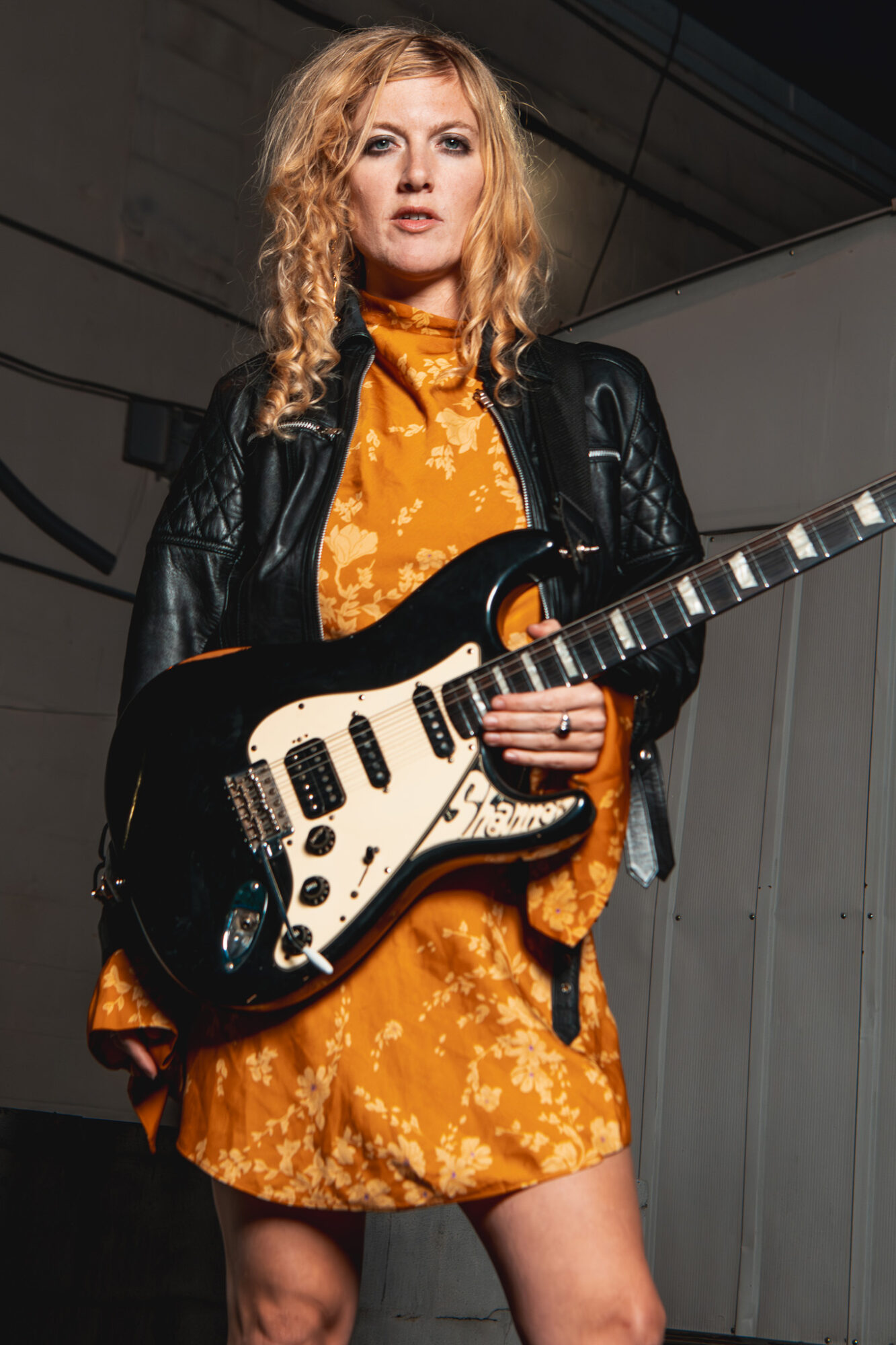
Shannon Hayden
Shannon Hayden
Jun 9, 2011
5 min de lecture

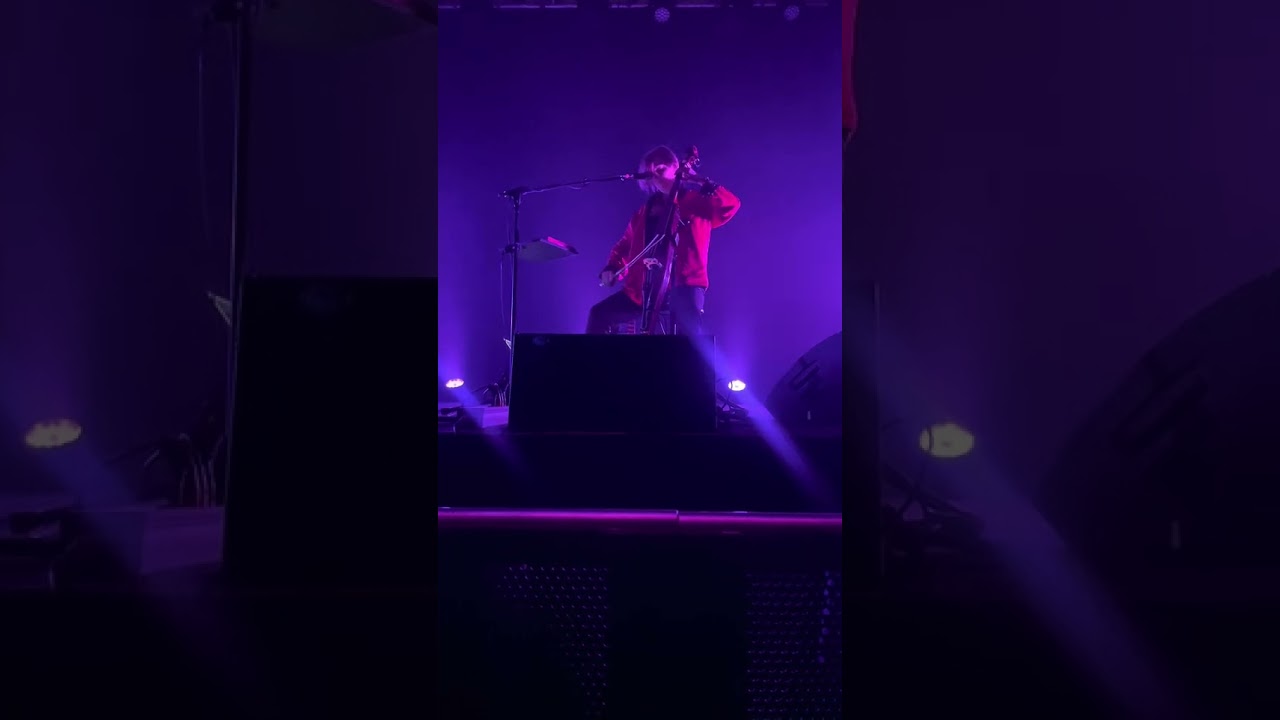
This video captures cellist Shannon Hayden performing the second part of Ezra Laderman's Fantasy for solo cello, a work that sits at the intersection of contemporary classical composition and virtuosic instrumental performance. The piece demands technical precision, tonal control, and interpretive depth—qualities essential to understanding how 20th-century composers extended the cello repertoire beyond traditional Romantic forms.

Lecture · 6 sections

What is Ezra Laderman's Fantasy for Solo Cello?

Ezra Laderman (1924–2011) was an American composer whose works often bridged tonality and modernist techniques. His Fantasy for solo cello belongs to the post-war era of chamber music, when composers sought to revitalize the solo cello repertoire with new formal structures and harmonic language. Unlike the Romantic concertos that dominated earlier cello literature, Laderman's Fantasy employs a more compressed, episodic structure—a form that mirrors the improvisatory nature suggested by the title itself.

The Fantasy genre in classical music traditionally implied freedom from strict meter and harmonic constraint, allowing composers to explore introspection and technical virtuosity in equal measure. Laderman's approach combines this conceptual freedom with carefully controlled harmonic progressions and rhythmic phrases that reveal modernist sensibilities.

Performance Context: Graduate Degree Recital at Yale

This performance comes from Shannon Hayden's graduate degree recital at Yale University, one of the premier institutions for classical music training in North America. Graduate recitals represent a critical threshold in a musician's development—they require the performer to demonstrate technical mastery, interpretive maturity, and the ability to command a diverse repertoire ranging from canonical works to contemporary pieces.

The inclusion of Laderman's Fantasy in a degree recital signals intentionality. Rather than defaulting to safer, well-known works, Hayden selected a piece that demands both precision and artistic sensitivity—a choice that reflects serious engagement with 20th-century chamber music. Laderman's work, while not as widely performed as Bach's Suites or Elgar's Concerto, occupies an important place in the contemporary cello canon.

Technical and Interpretive Demands of the Piece

The cello's role in Laderman's Fantasy is fundamentally different from its role in Romantic-era concerti. Rather than serving as a vehicle for sweeping melodies and display passages, the instrument functions as an exploration of timbral possibilities and harmonic depth. The performer must navigate rapid position changes, varied articulations, and shifts between sustained singing tone and more percussive, rhythmically precise passages.

Solo cello repertoire composed after 1945 often reflects what composers learned from Bartók and Stravinsky about the instrument's full range of sonic colors. Laderman's writing for the cello likely incorporates:

  • Extended range: utilizing the full spectrum of the cello from low C to high registers rarely explored in earlier repertoire
  • Multiple articulations: contrasting legato phrases with pizzicato, col legno (striking with the bow wood), and other non-traditional techniques
  • Harmonic complexity: intervals and chord structures that reflect mid-20th-century compositional language rather than functional tonality
  • Rhythmic independence: avoiding strict metrical alignment in favor of flexible phrasing that evokes the "fantasy" title

Hayden's performance of "part 2" suggests the work either has distinct movements or substantial formal divisions. The second part would typically contrast with what preceded it—perhaps introducing new material, heightening technical demands, or shifting emotional trajectory. Navigating this transition while maintaining interpretive coherence is part of what makes recital performance challenging.

The Solo Cello Renaissance in 20th-Century Composition

The cello enjoyed a remarkable expansion in its solo repertoire during the 20th century. Composers like Benjamin Britten, Witold Lutosławski, and Krzysztof Penderecki created works that fundamentally expanded what the instrument could express. These pieces moved beyond display and sentiment into territories of structural innovation and sonic experimentation.

Laderman's generation of American composers—including Elliott Carter, Milton Babbitt, and George Perle—approached composition with rigorous formal thinking while remaining engaged with lyrical expression. The Fantasy likely reflects this balance: a work that is intellectually coherent yet emotionally communicative, technically demanding yet musically coherent.

What Makes a Successful Contemporary Cello Performance?

Playing unfamiliar contemporary works requires interpretive choices that differ from performing established canonical pieces. With Bach or Elgar, performers inherit centuries of recorded tradition and written analysis. With a work like Laderman's Fantasy, the performer must:

  • Study the score with meticulous attention to every marking, since contemporary composers often use notation with specific intent
  • Make informed decisions about tempo flexibility and phrasing without relying on established performance tradition
  • Achieve technical security in passages that may feel unfamiliar or awkward under the fingers
  • Communicate the piece's emotional and structural logic to an audience that may be encountering it for the first time

Hayden's choice to perform this work at such a significant threshold in her training suggests she undertook this interpretive responsibility seriously.

Where to Go from Here

If you're interested in exploring more contemporary cello repertoire, begin with foundational 20th-century works: Britten's Cello Suites, which deliberately echo Bach while extending the instrument's language; Lutosławski's Cello Concerto, which showcases compositional innovation; and works by American composers such as George Crumb, whose Ghosts for solo cello expands the instrument's sonic palette even further. Laderman's Fantasy fits naturally into this lineage—neither as radical as Crumb nor as traditionally rooted as Britten, but a thoughtful middle ground that rewards close listening and serious performance.

For performers, this video models how to approach unfamiliar repertoire: with technical preparation, interpretive thoughtfulness, and respect for the composer's intention.
Comments

Loading the conversation…

Shannon Hayden
ArtistShannon Hayden

Multi-instrumentalist composer and music teacher who blends folk, classical, and experimental music to create transformative sonic experiences that foster healing and self-expressi…

Voir le profilSite web
Explorer les thèmes
Solo-celloContemporary-classicalEzra-ladermanChamber-music20th-century-composition

Des questions ?

Questions fréquemment posées

Ezra Laderman (1924–2011) was an American composer who bridged tonality and modernist techniques. He created chamber works that extended traditional instrumental repertoire, including his Fantasy for solo cello, which reflects mid-20th-century compositional thinking while maintaining lyrical expression.
Contemporary cello works like Laderman's Fantasy prioritize timbral exploration, extended techniques, and harmonic complexity over sweeping melodies and display passages. They demand virtuosity in navigating position changes, varied articulations, and rhythmic flexibility rather than pure virtuosic display.
Including contemporary works demonstrates serious engagement with the evolving cello repertoire and shows interpretive maturity. It signals the performer's willingness to undertake the challenge of bringing unfamiliar music to life with technical security and artistic coherence.
A fantasy traditionally implies freedom from strict meter and harmonic constraint, allowing composers to explore improvisatory expression and structural innovation. Laderman's Fantasy combines this conceptual freedom with carefully controlled harmonic progressions and modernist sensibilities.
Benjamin Britten, Witold Lutosławski, Krzysztof Penderecki, and George Crumb all expanded the solo cello repertoire in the 20th century with works that incorporate extended techniques, harmonic complexity, and structural innovation beyond traditional Romantic forms.
Performers must study the score with meticulous attention to the composer's markings, make informed tempo and phrasing decisions independently, achieve technical security in unfamiliar passages, and communicate the piece's structure and intent to audiences encountering it for the first time.

Continuer la lecture

More from Shannon

Voir tout
Void to Matter: Live Sound Performance at Ventura Music Hall
Inspire

Void to Matter: Live Sound Performance at Ventura Music Hall

Shannon Hayden explores the relationship between emptiness and physical form through a live sound performance at Ventura Music Hall.…

1 min read
When the Violin: Contemporary Choral Music and Spiritual Expression
Inspire

When the Violin: Contemporary Choral Music and Spiritual Expression

Shannon Hayden and University Singers perform Reena Esmail's "When the Violin," a contemporary choral work exploring the intersection of mus…

1 min read
Minimal Vocalization as Spiritual Practice: Power in Simplicity
Inspire

Minimal Vocalization as Spiritual Practice: Power in Simplicity

A brief live vocal interlude demonstrates how devotional sound—stripped to its essence—can invoke presence and transformation through pure r…

1 min read
Govinda Jaya: How Sacred Sound Awakens the Heart
Inspire

Govinda Jaya: How Sacred Sound Awakens the Heart

Radhika Das channels the liberating power of mantra through a luminous kirtan performance at Medicine Festival, invoking divine names to pur…

1 min read

Continue d’explorer

Poursuis ton chemin

Plus de sagesse et de rassemblements dans tout l’annuaire BrightStar.

Plus d’articles

Parcours toute la bibliothèque d’enseignements, d’entretiens et de guides.

Retour à tous les articles →

Enseignants et artistes

Découvre les lignées, les musiciens et les guides du monde conscient.

Explorer les artistes →

Trouver un événement

Kirtan, retraites, bains sonores, breathwork, festivals — bientôt près de chez toi.

Parcourir les événements →