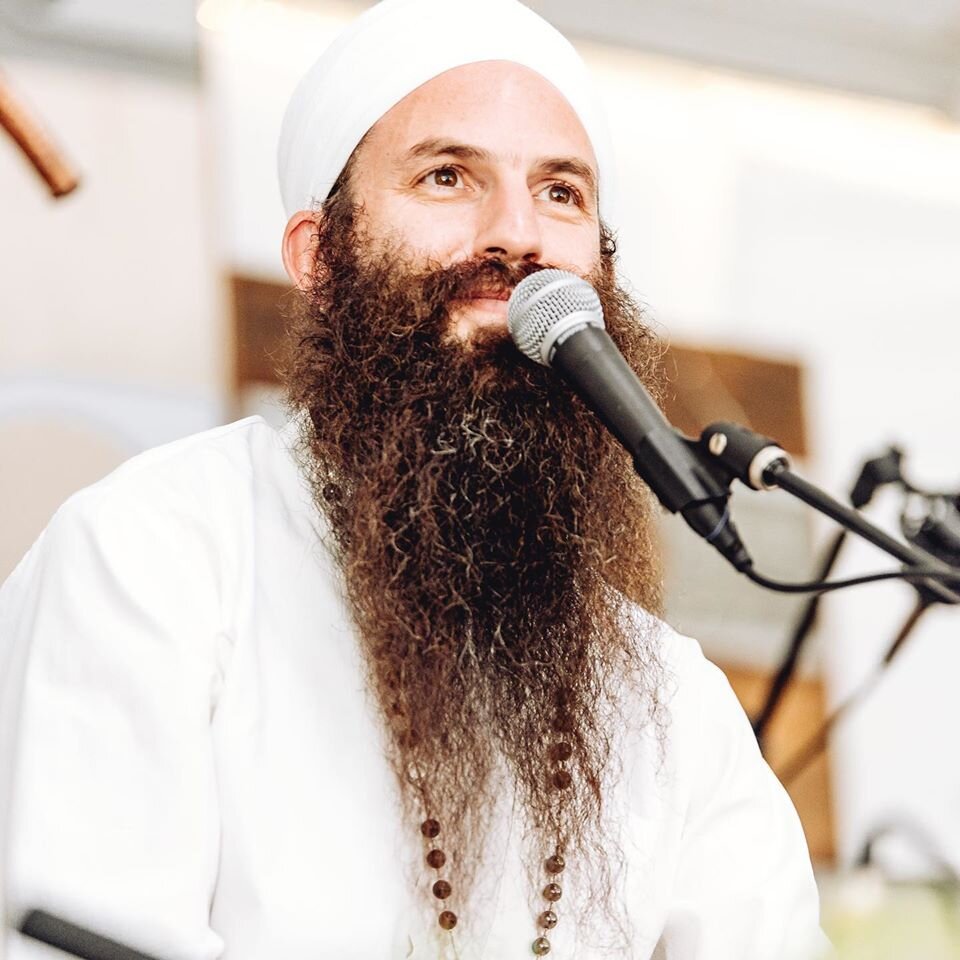
Guru Purnima is a sacred observance celebrating the spiritual teacher and the fullness of consciousness that resides within each person. Rather than external worship alone, this tradition invites practitioners to recognize and honor the guru principle—the dispeller of darkness and ignorance—both in the form of an external teacher and as the inner light of wisdom and completeness that already dwells within.
What Is Guru Purnima?
Guru Purnima is a full moon celebration rooted in Hindu, Buddhist, and yogic traditions that honors the guru, the spiritual teacher or master. The word "guru" literally means "dispeller of darkness"—one who removes ignorance and illuminates the path of truth. Celebrated on the full moon day in the month of Ashadha (typically May or June in the Western calendar), Guru Purnima has been observed for thousands of years as a day to express gratitude to those who guide us on the spiritual path.
The observance is not limited to honoring an external teacher alone. At its heart, Guru Purnima invites a deeper recognition: the celebration of the fullness and completeness that exists within every human being. This inner guru—the inner wisdom, intuition, and light—is what ultimately guides us toward freedom, peace, and self-knowledge.
The Fullness Within: Inner Guru Recognition
The central message of Guru Purnima is that fullness is not something distant or separate from you. The inner guru is the principle of consciousness itself—the awareness that perceives, the wisdom that knows what is right, and the compassion that understands all beings. When we celebrate Guru Purnima, we are celebrating this inherent completeness.
Many spiritual traditions teach that the guru's role is to point the way, to reflect back to us our own true nature, and to remove the obstacles that prevent us from recognizing our wholeness. The external guru—whether a teacher, a master, or a guide—serves as a mirror and catalyst. Through their presence, their teachings, and their transmission of wisdom, they help us awaken to what has always been present within us.
This recognition carries profound implications for spiritual practice. Rather than seeking fullness from outside ourselves, we learn to turn inward and discover the resource of completeness that is our birthright. This is the real celebration of Guru Purnima: the acknowledgment that we are not broken, incomplete, or fundamentally lacking, but rather full of potential, wisdom, and light.
Gratitude as a Spiritual Practice
Guru Purnima is also fundamentally a practice of gratitude. Gratitude toward teachers who have guided us, toward the wisdom traditions that have preserved ancient knowledge, and toward the silent support of the universe itself. In expressing gratitude, we acknowledge the role others and our own inner wisdom have played in our growth and awakening.
Gratitude is not merely an emotional sentiment; it is a spiritual practice that shifts our consciousness. When we practice gratitude, especially on a day dedicated to honoring the guru principle, we align ourselves with receiving. We open ourselves to deeper learning, greater clarity, and a more profound sense of connection to the flow of life.
How to Celebrate Guru Purnima
Guru Purnima can be celebrated in many ways, depending on your spiritual practice and tradition:
- Meditation and reflection: Spend time in silence, turning attention inward to recognize the guru principle within yourself. Meditate on the presence of inner wisdom and completeness.
- Service to teachers: If you have received guidance from a spiritual teacher, express gratitude through service, offering, or simply spending time in their presence.
- Study of sacred texts: Engage with spiritual literature or wisdom teachings that illuminate the nature of consciousness and the guru principle.
- Community gatherings: Join with others in celebration, chanting, or group meditation, which amplifies the energy of gratitude and recognition.
- Self-inquiry: Ask yourself: What is the fullness I already possess? How does my inner wisdom guide me? Where do I see the guru principle in my life?
The Deeper Meaning: Removing Ignorance
The Sanskrit root of "guru"—meaning to remove or dispel—points to the fundamental purpose of the guru principle: the dispelling of ignorance, confusion, and delusion. In modern life, we often struggle with a sense of incompleteness, inadequacy, or separation from what we seek. We believe our fulfillment lies in external achievements, acquisitions, or recognition.
Guru Purnima asks us to examine this assumption. What if the fullness we seek is not distant? What if the guru—the remover of darkness—is not just a person but a principle of consciousness that operates within us and around us? What if our task is simply to recognize and align with what is already complete?
This shift in understanding is the real work of Guru Purnima. It invites us to move from seeking outward to recognizing inward. It asks us to trust the wisdom within ourselves while also honoring the teachings and guides who help us awaken to that wisdom.
Where to Go from Here
To deepen your engagement with Guru Purnima and the guru principle, consider establishing a regular practice of inner recognition. Meditation, self-inquiry, and the study of spiritual teachings from authentic sources are time-tested methods for awakening to the fullness within. If you are drawn to celebrate Guru Purnima in community, seek out gatherings with teachers and traditions that resonate with your spiritual path. Remember that the ultimate guru is the principle of consciousness itself—ever present, ever guiding, inviting you to recognize your own completeness.


