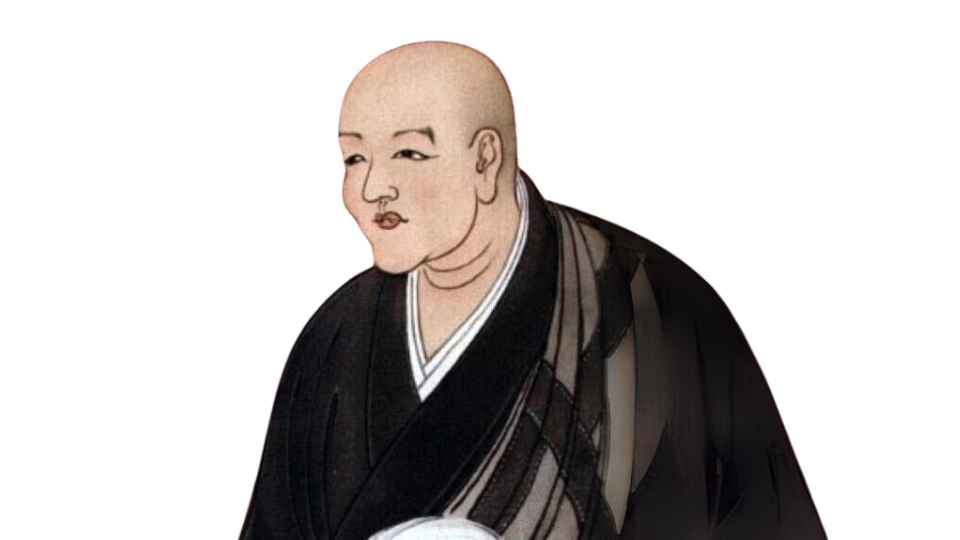
Embracing the Present: The Wisdom of Dōgen
Dōgen's assertion, "Yet, do not suppose that the ash is future and the firewood past," invites us to reconsider our relationship with time and existence. In this profound statement, he challenges the tendency to view life as a linear progression, where the past is merely a collection of memories and the future a realm of possibilities. This perspective is crucial, as it emphasizes the importance of the present moment, urging us to recognize the inherent value of what is now, rather than getting lost in what has been or what might be.
In a world often preoccupied with the past and future, Dōgen's words serve as a gentle reminder to anchor ourselves in the present. The ash and firewood symbolize not just the remnants of what once was, but also the potential that exists in every moment. By understanding that the ash is not merely a sign of what has ended, we can cultivate a deeper appreciation for the continuity of life and the transformative power of presence. This teaching resonates deeply in our daily lives, where the rush of time can obscure the beauty of the now.
The image / the metaphor
The imagery of ash and firewood evokes a visceral understanding of transformation and continuity. Firewood, full of potential energy, represents the moments of our lives that are vibrant and alive, while ash signifies what remains after the fire has burned. Dōgen's choice of these particular elements speaks to the transient nature of existence; the firewood is not merely a past entity, nor is the ash a mere remnant of what once was. Instead, they coexist in a dynamic relationship that reflects the ongoing cycle of life, death, and rebirth.
Dōgen's metaphor extends beyond the physicality of wood and ash to encapsulate the essence of our experiences. The firewood can be seen as the moments of joy, struggle, and growth that we often cling to, while the ash represents the lessons learned and the wisdom gained from those experiences. By recognizing that both elements are integral to our journey, we can cultivate a sense of acceptance and presence, allowing us to engage fully with the current moment without being burdened by the weight of the past or the anxiety of the future.
In the speaker's tradition
Dōgen, a pivotal figure in Zen Buddhism, emphasizes the concept of 'being-time' (ujō) in his teachings, which aligns closely with the essence of this quote. In Zen, the understanding of time is not linear but rather cyclical and interconnected, reflecting the idea that every moment is a manifestation of the whole. This perspective invites practitioners to engage with the present fully, recognizing that each moment is imbued with the richness of existence, much like the firewood and ash that coexist in a single experience.
Living the teaching
Consider a modern scenario where this teaching can be applied: a busy professional who constantly juggles deadlines and future projects may find themselves overwhelmed, often reflecting on past mistakes or worrying about what lies ahead. In such moments, Dōgen's wisdom serves as a grounding force, reminding them that the present moment is where true action and awareness reside. By shifting focus from the burdens of the past and the uncertainties of the future, they can engage more fully with their current tasks, fostering creativity and clarity.
A reflection
As we contemplate Dōgen's profound statement, we are invited to reflect on our own relationship with time and presence. How often do we find ourselves caught in the web of past regrets or future anxieties, neglecting the richness of the present moment? In what ways can we practice being more fully engaged in our current experiences, allowing the ash and firewood of our lives to coexist harmoniously? This contemplation invites us to explore the transformative power of presence in our daily lives.


