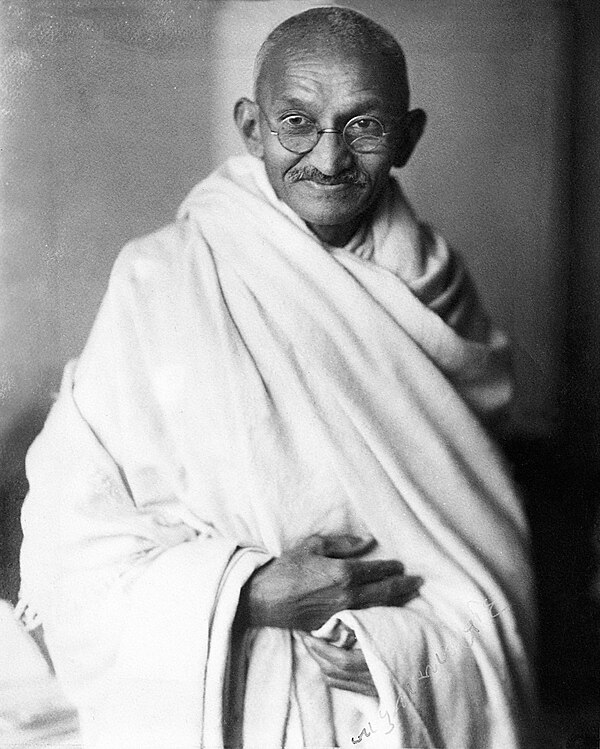
The Tempest Within: Understanding Anger as Madness
“Anger is short madness.” With this succinct yet profound statement, Mahatma Gandhi encapsulates the volatile nature of anger, suggesting that in moments of rage, we lose our rationality and clarity. This quote serves as a reminder of the fragility of our emotional state, emphasizing the importance of self-discipline and mindfulness in navigating our feelings. In a world where anger often manifests as a response to injustice or frustration, Gandhi's insight invites us to reflect on the deeper implications of our emotional reactions and the potential consequences of allowing anger to govern our actions.
Gandhi's assertion resonates deeply in our contemporary society, where anger frequently erupts in personal relationships, political discourse, and social movements. The stakes are high; unchecked anger can lead to destructive behaviors, alienation, and a cycle of conflict that perpetuates suffering. By framing anger as a form of madness, Gandhi urges us to recognize the importance of emotional regulation and the cultivation of inner peace. This teaching is not merely a call for restraint but an invitation to explore the transformative power of discipline in our emotional lives.
The image / the metaphor
At its core, Gandhi's quote employs vivid imagery to convey the fleeting yet intense nature of anger. The term "madness" evokes a sense of loss of control, suggesting that in moments of anger, we become unmoored from our rational selves. The juxtaposition of "anger" and "madness" highlights the urgency and volatility inherent in this emotion, as if to say that anger can swiftly lead us into a chaotic state where reason and compassion are eclipsed. This imagery resonates with anyone who has experienced the overwhelming rush of anger, a feeling that can cloud judgment and lead to regrettable actions.
Diving deeper into the metaphor, we can see that Gandhi is not merely describing anger as a temporary state but rather as a profound disconnection from our true selves. In this light, anger becomes a veil that obscures our capacity for empathy and understanding. When we allow anger to take the reins, we risk losing sight of our values and the interconnectedness of all beings. Thus, the metaphor serves as a cautionary tale, urging us to cultivate awareness and discipline to prevent ourselves from slipping into this state of madness.
In the speaker's tradition
Gandhi's insights on anger are deeply rooted in the Hindu tradition, which emphasizes the importance of self-control and the pursuit of dharma, or righteous living. In this context, anger can be seen as a deviation from one's true path, a distraction that pulls us away from our higher purpose. Concepts such as bhakti, or devotion, and prajna, or wisdom, offer pathways to transcend anger, guiding us toward a more compassionate and understanding approach to life's challenges. By aligning ourselves with these principles, we can cultivate a sense of inner peace that counters the madness of anger.
Moreover, the Bhagavad Gita, a foundational text in Hindu philosophy, speaks to the importance of mastering one's emotions. Arjuna's struggle with anger and despair on the battlefield serves as a poignant reminder of the need for self-discipline and clarity in the face of conflict. The Gita teaches that true strength lies not in the expression of anger but in the ability to act with equanimity and purpose, embodying the very essence of Gandhi's teaching. In this way, Gandhi's perspective on anger is not only a personal reflection but also a call to engage with the broader spiritual teachings of his tradition.
Living the teaching
Consider a modern scenario where this teaching can be applied: a heated discussion at work where differing opinions lead to rising tempers. In such moments, the instinct to react with anger can be overwhelming, yet Gandhi's wisdom reminds us that this reaction is a form of madness that can cloud our judgment and damage relationships. By recognizing the potential for anger to derail constructive dialogue, we can choose to pause, breathe, and respond with clarity and compassion. This conscious choice not only fosters a healthier work environment but also cultivates a sense of personal integrity.
In the realm of personal relationships, Gandhi's teaching on anger can serve as a guiding principle during conflicts with loved ones. When faced with a disagreement, the temptation to lash out or harbor resentment can be strong. However, by embracing the understanding that anger is a fleeting madness, we can approach the situation with a mindset of empathy and understanding. This shift allows us to communicate more effectively, fostering deeper connections and healing rather than perpetuating cycles of hurt. In daily practice, cultivating mindfulness and emotional awareness can help us navigate these challenging moments with grace.
A reflection
As we contemplate Gandhi's assertion that "anger is short madness," we are invited to reflect on our own relationship with anger. How often do we find ourselves reacting impulsively in moments of frustration, losing sight of our values and intentions? In what ways can we cultivate a greater sense of discipline and awareness to transform our emotional responses? By engaging with these questions, we can begin to unravel the complexities of our emotional lives and move toward a more harmonious existence.


