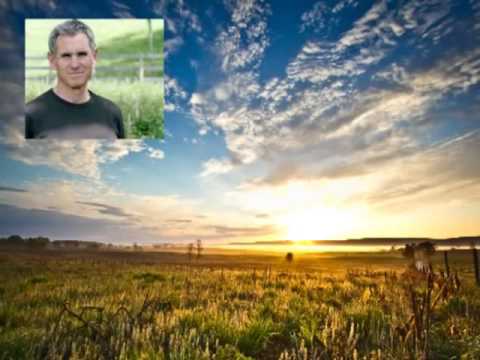
Jon Kabat-Zinn's assertion that "You don't have to escape your life to find peace. You can find it in your life" invites us to reconsider our relationship with the chaos and demands of daily existence. In a world that often glorifies the idea of retreating from our responsibilities and challenges, this quote serves as a gentle reminder that peace is not a distant destination but a state of being accessible in the here and now. The stakes are high; understanding this can transform our approach to stress, anxiety, and the relentless pursuit of happiness.
As we navigate the complexities of modern life, the allure of escape—whether through travel, distraction, or even meditation—can seem like the only viable option for attaining tranquility. However, Kabat-Zinn's words challenge us to cultivate a deeper awareness of our present circumstances. By recognizing that peace can be found amidst the noise and turmoil, we open ourselves to a profound shift in perspective, allowing us to engage more fully with our experiences rather than fleeing from them.
The image / the metaphor
The imagery in Kabat-Zinn's quote evokes a sense of grounding and presence. The verbs "escape" and "find" suggest a journey, yet they also imply a choice. To escape is to run away, to seek refuge from discomfort, while to find indicates a discovery that requires attention and intention. This duality captures the essence of mindfulness: the act of turning inward and embracing our current reality, rather than seeking solace in external circumstances.
In the speaker's tradition
Jon Kabat-Zinn's teachings are rooted in the tradition of mindfulness, which emphasizes the importance of being fully present in each moment. This concept aligns closely with the Buddhist principles of dharma and sunyata, or emptiness, which encourage us to observe our thoughts and feelings without attachment. By practicing mindfulness, we cultivate a sense of awareness that allows us to see the inherent peace within our lives, even amidst chaos.
In his seminal work, "Full Catastrophe Living," Kabat-Zinn draws upon these principles to illustrate how mindfulness can serve as a powerful tool for managing stress and enhancing well-being. He emphasizes that by embracing our experiences—both joyful and painful—we can develop a deeper understanding of ourselves and our place in the world. This approach resonates with the teachings of Thich Nhat Hanh, who often speaks of the importance of mindfulness in transforming suffering into peace.
Living the teaching
Consider a modern scenario where this teaching resonates: a busy professional feeling overwhelmed by the demands of work and family life. The temptation to escape through a weekend getaway or a binge-watching session is strong, yet Kabat-Zinn's wisdom suggests a different approach. Instead of seeking refuge in external distractions, this individual might practice mindfulness by taking a few moments each day to breathe deeply, observe their thoughts, and cultivate gratitude for the small joys in their daily routine. This practice can transform their perception of stress, allowing them to find peace in the midst of their responsibilities.
Another application of this teaching can be found in interpersonal relationships. Imagine a couple facing conflict; the instinct may be to withdraw or to seek solace in solitude. However, by embracing Kabat-Zinn's message, they can choose to engage with one another mindfully, listening deeply and expressing their feelings without judgment. This intentional presence can foster understanding and connection, ultimately leading to a more peaceful resolution of their differences.
A reflection
As we reflect on Kabat-Zinn's profound insight, we are invited to consider: In what ways can I cultivate peace within my current circumstances? This question encourages us to explore our lives with curiosity and openness, recognizing that the path to serenity may not lie in escape but in the embrace of our present reality. By turning inward and engaging with our experiences, we can uncover the peace that has always been available to us.