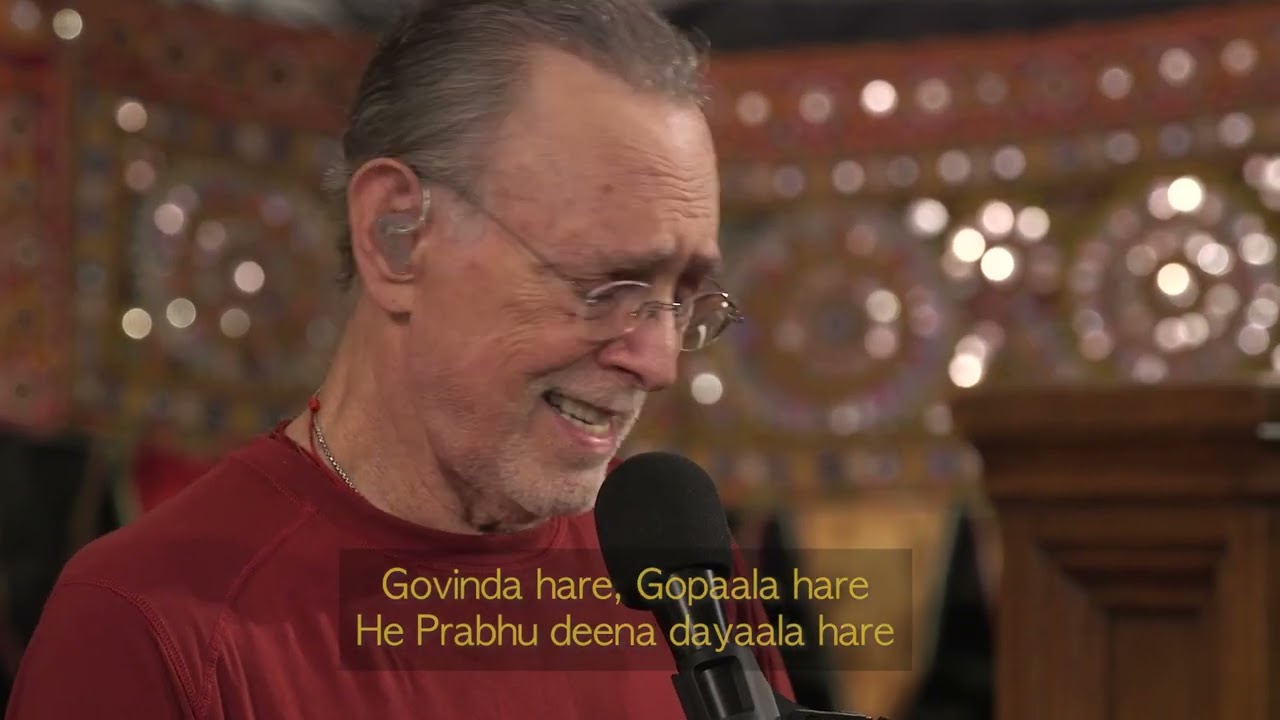
“Open your heart. Then everything follows.” This profound statement by Krishna Das invites us to consider the transformative power of vulnerability and receptivity in our lives. At its core, this quote suggests that by allowing ourselves to be open-hearted, we create a space for love, connection, and understanding to flourish. In a world often marked by division and fear, this teaching serves as a gentle reminder of the essential nature of our hearts and the profound impact that openness can have on our relationships and spiritual journeys.
To open one’s heart is not merely an act of emotional expression; it is a deep, intentional practice that requires courage and commitment. It challenges us to confront our fears, insecurities, and the barriers we erect to protect ourselves from pain. In doing so, we may discover that the very essence of our being is rooted in love and compassion, waiting to be shared with the world. This quote encapsulates a universal truth: when we embrace our authentic selves and allow our hearts to guide us, we unlock the potential for profound transformation in our lives and the lives of others.
The image / the metaphor
The imagery of “opening your heart” evokes a sense of warmth and expansiveness, suggesting a movement from confinement to liberation. The verb “open” implies an active choice, a willingness to let go of the defenses that often keep us isolated. This act of opening is not passive; it requires intention and a deep trust in the process of vulnerability. The heart, often symbolized as the seat of love and compassion, becomes a gateway through which we can experience the fullness of life, connecting us to ourselves and to others.
Diving deeper into this metaphor, we can see that the heart is not merely a physical organ but a symbol of our emotional and spiritual essence. To open one’s heart is to embrace the full spectrum of human experience, including joy, sorrow, love, and loss. It is an invitation to engage with life authentically, allowing our true selves to emerge. In this way, the act of opening our hearts can be seen as a radical act of faith, trusting that by exposing our vulnerabilities, we will find connection and belonging rather than rejection and isolation.
In the speaker's tradition
Krishna Das, a prominent figure in the bhakti tradition, emphasizes the importance of devotion and love in spiritual practice. Bhakti, which translates to “devotion,” encourages practitioners to cultivate a deep, personal relationship with the divine through love and surrender. This tradition teaches that the heart is the primary vessel through which we can connect with the divine, and opening it allows us to experience the fullness of spiritual life. Concepts such as dharma, or righteous living, and prajna, or wisdom, are intertwined with this heart-centered approach, suggesting that true understanding arises from a place of love and openness.
In the context of bhakti, the act of opening one’s heart can be likened to the concept of kenosis, or self-emptying, found in various spiritual traditions. This idea encourages us to let go of our ego-driven desires and fears, creating space for divine love to flow through us. Texts such as the Bhagavad Gita emphasize the importance of surrendering to a higher power, suggesting that when we open our hearts, we align ourselves with the divine will and experience a profound sense of peace and fulfillment.
Living the teaching
Consider a modern scenario where this teaching can be applied: a workplace conflict. Imagine a situation where misunderstandings have led to tension among colleagues. By choosing to open one’s heart, an individual might approach the situation with empathy and a willingness to listen, rather than defensiveness. This openness can pave the way for honest dialogue, fostering a sense of connection and collaboration that transforms the workplace dynamic. In this way, the act of opening one’s heart becomes a catalyst for healing and unity.
Another application of this teaching can be found in personal relationships, particularly during challenging moments. When faced with conflict or emotional pain, the instinct may be to withdraw or build walls. However, if we embrace the practice of opening our hearts, we can choose to communicate our feelings honestly and vulnerably. This act not only deepens intimacy but also invites our loved ones to respond with compassion, creating a safe space for both parties to grow and heal together. In this way, the heart’s openness becomes a powerful tool for nurturing relationships and fostering understanding.
A reflection
As we contemplate the wisdom of Krishna Das’s words, we are invited to reflect on our own lives: What barriers have we constructed around our hearts, and how might we begin to dismantle them? In what ways can we cultivate a practice of openness, allowing love and connection to flow more freely? By engaging with these questions, we can begin to explore the transformative potential of opening our hearts, both for ourselves and for those around us.