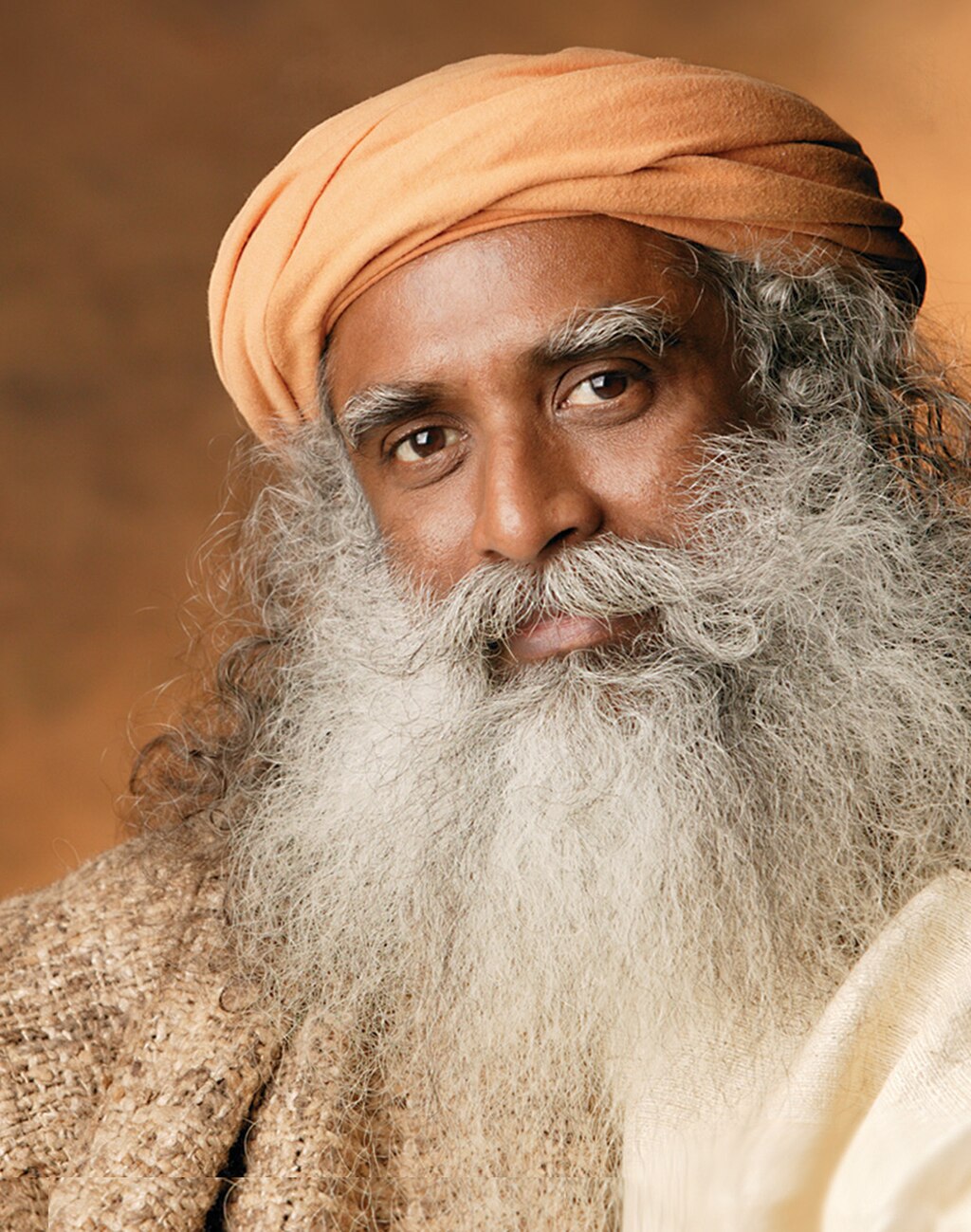
In the words of Sadhguru, "Inclusiveness is the basic dimension of life." This profound statement invites us to reconsider our understanding of existence and our place within it. At its core, inclusiveness transcends mere tolerance; it beckons us to embrace the interconnectedness of all beings. In a world often marked by division and separation, recognizing inclusiveness as foundational can lead to a more harmonious existence, both individually and collectively.
To delve deeper, we must acknowledge that inclusiveness is not merely an ideal but a lived reality that shapes our interactions and relationships. It challenges us to expand our perspectives and dissolve the boundaries that often confine our understanding of self and other. By embracing inclusiveness, we open ourselves to the richness of diverse experiences, fostering a sense of unity that is essential for personal growth and societal well-being. This teaching is not just a philosophical concept; it is a call to action, urging us to cultivate a life that reflects the interconnectedness inherent in our shared humanity.
The image / the metaphor
When Sadhguru speaks of inclusiveness as the basic dimension of life, he evokes a vivid image of a vast tapestry, where each thread represents a unique individual, culture, or experience. The choice of the word "dimension" suggests that inclusiveness is not an optional aspect of life but an essential quality that permeates our existence. It implies depth and breadth, inviting us to explore the layers of connection that bind us to one another. The verbs inherent in this statement—embracing, recognizing, and living—imply an active engagement with the world around us, urging us to participate in the unfolding narrative of life.
Delving deeper into the metaphor, we can see that inclusiveness is akin to a river that flows through the landscape of our lives, nourishing the soil of relationships and fostering growth. Just as a river does not discriminate between the rocks and the banks it touches, inclusiveness invites us to extend our compassion and understanding to all beings, regardless of their differences. This flowing nature of inclusiveness encourages us to let go of rigid boundaries and embrace the fluidity of existence, where every encounter becomes an opportunity for connection and learning.
In the speaker's tradition
Within the tradition of yoga, Sadhguru's emphasis on inclusiveness resonates deeply with the concept of dharma, which encompasses the moral and ethical duties that bind us to one another. Dharma calls us to recognize our interconnectedness and to act in ways that honor the collective well-being. This teaching aligns with the principle of kenosis, or self-emptying, where one relinquishes the ego's need for separation in favor of a more profound unity with all life. By embodying inclusiveness, we practice a form of bhakti, or devotion, that transcends individual desires and aligns us with the greater whole.
Moreover, this idea finds echoes in the Buddhist concept of sunyata, or emptiness, which teaches that the self is not a fixed entity but rather a dynamic interplay of relationships. In this light, inclusiveness becomes a pathway to understanding the nature of reality itself, where the illusion of separateness dissolves into the recognition of oneness. Texts such as the Bhagavad Gita emphasize the importance of seeing the divine in all beings, reinforcing the notion that inclusiveness is not merely a social ideal but a spiritual imperative.
Living the teaching
Consider a modern scenario where inclusiveness plays a crucial role: a workplace grappling with diversity. In such an environment, embracing inclusiveness means actively seeking to understand and appreciate the varied backgrounds and perspectives of colleagues. This approach not only fosters a sense of belonging but also enhances creativity and collaboration. When individuals feel valued for their unique contributions, the collective energy of the team is amplified, leading to innovative solutions and a more cohesive work culture.
In a more personal context, think about a relationship that has become strained due to misunderstandings or differing viewpoints. By applying the principle of inclusiveness, one can approach the situation with empathy and openness, seeking to understand the other person's perspective rather than merely defending one's own. This shift in mindset can transform conflict into an opportunity for deeper connection, allowing both individuals to grow and learn from one another. Daily practices such as mindful listening and compassionate communication can support this journey toward inclusiveness, fostering healthier and more fulfilling relationships.
A reflection
As we contemplate Sadhguru's assertion that "inclusiveness is the basic dimension of life," we are invited to reflect on our own lives and the ways in which we engage with others. Are there areas where we unconsciously uphold barriers of separation? How might our lives transform if we actively embraced inclusiveness in our thoughts, words, and actions? In this moment of reflection, consider this question: What steps can I take today to cultivate a deeper sense of inclusiveness in my interactions with others?