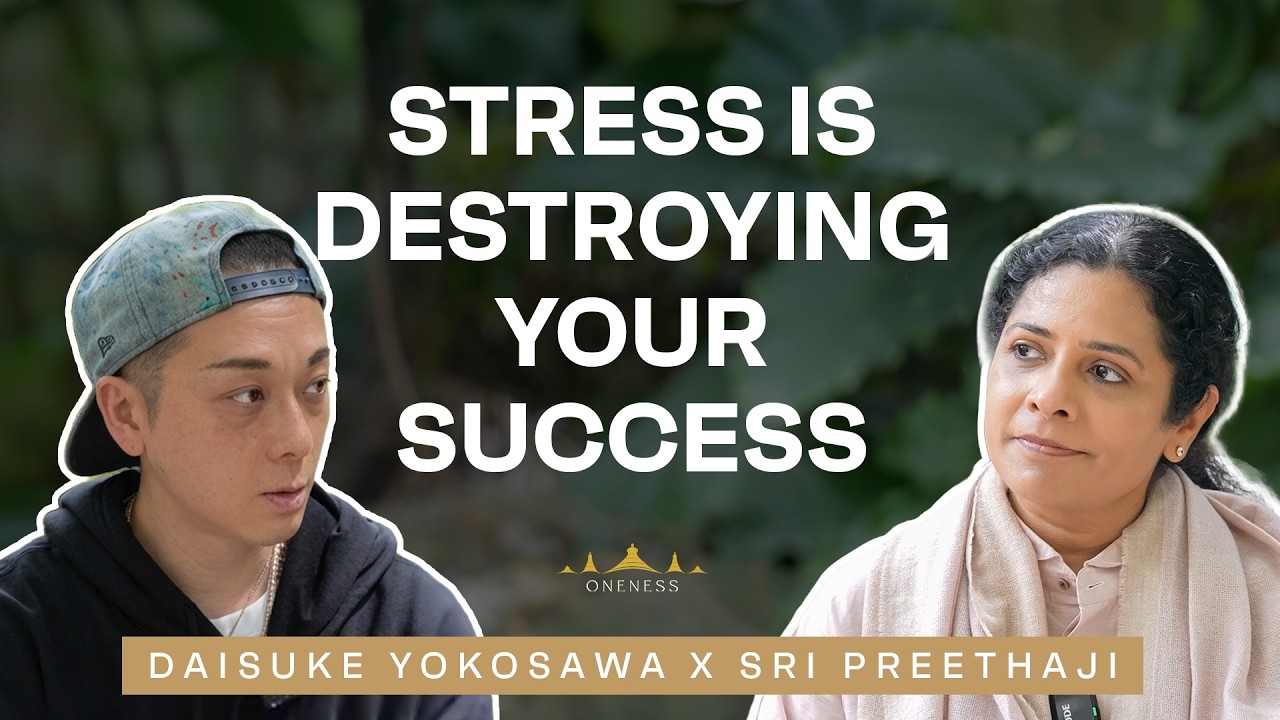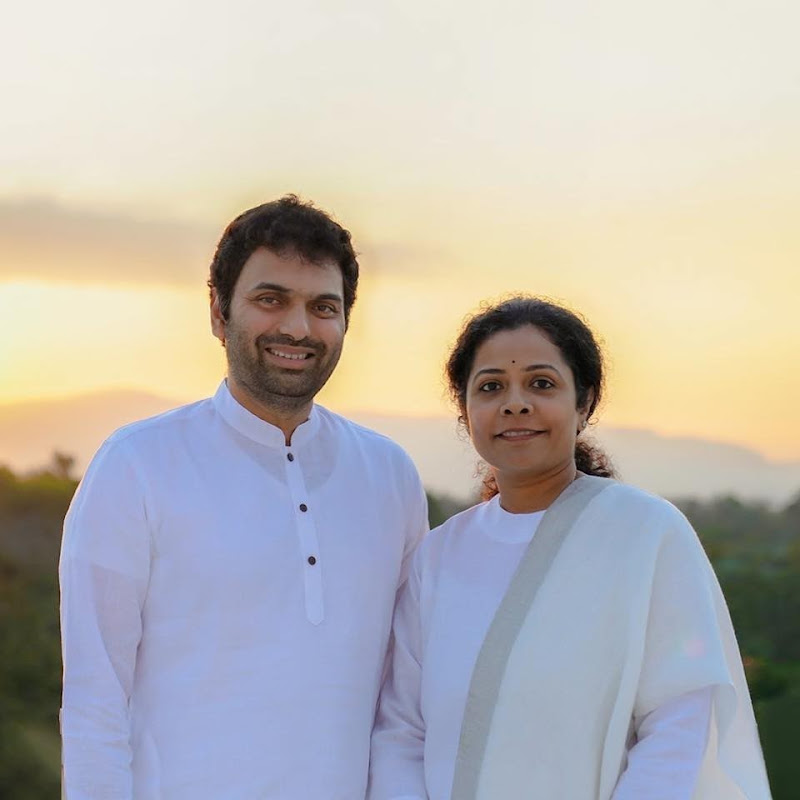
Ekam, presented by Sri Preethaji & Sri Krishnaji of the Oneness Movement, is understood not as a physical location alone but as a conscious field—a space where the boundaries between the sacred and the seeker dissolve. The teaching suggests that within this field, ordinary moments become sacred journeys, and visitors encounter the divine essence of existence through direct transmission and intentional presence. This is less about architectural design and more about a cultivated consciousness that facilitates transformation through dissolution of separation.
What is Ekam as a Field of Consciousness?
Ekam represents a departure from conventional understanding of sacred spaces. Rather than viewing a pilgrimage site merely as geography or buildings, the Oneness Movement frames Ekam as a field of consciousness—an energetic and spiritual atmosphere shaped by intention, practice, and the presence of awakened beings. This field operates on the principle that consciousness itself can be concentrated, refined, and transmitted in particular locations through sustained spiritual work.
The teaching implies that such fields function like tuning forks for human awareness. When a seeker enters this environment, their own consciousness naturally aligns with the frequency held in that space. This is not metaphorical; it suggests a real phenomenon where the collective consciousness of a place, maintained through practice and blessing, creates conditions for rapid inner transformation. The field does not impose change—it creates an opening where change becomes possible.
How Does the Sacred Meet the Seeker in This Space?
The fundamental promise of Ekam is that separation between the sacred and the ordinary dissolves. For most seekers, the divine feels distant, hidden, requiring years of effort to access. Ekam proposes a different architecture: the divine is not hidden at all, but rather the seeker's own consciousness is obscured by barriers—habitual patterns, identification with the mind, separation from wholeness.
In a field of consciousness calibrated toward awakening, these barriers become transparent. A moment sitting in silence, walking through a corridor, or participating in collective practice becomes inherently sacred not because of belief, but because the field supports direct perception. The seeker does not have to manufacture spiritual experience or follow complex protocols; the space itself communicates and invites the consciousness to recognize its true nature.
This teaching aligns with the Oneness Movement's broader understanding that enlightenment is not something to achieve but something to recognize—to see through the illusion of separation that obscures what is already whole. Ekam functions as a kind of accelerated mirror, reflecting the seeker back to themselves, stripped of the usual veils.
What Does It Mean That Every Moment Becomes Sacred?
The description emphasizes that "every moment becomes a sacred journey" within Ekam. This is significant because most spiritual traditions position the sacred as rare, achieved through extraordinary effort. The Oneness teaching inverts this: ordinariness itself is revealed as sacred when the field supports that recognition.
A seeker might experience this as a shift in perception. Mundane activities—eating, walking, sitting—are no longer conducted at the surface level of survival or distraction. Instead, they become instances of conscious presence where the ordinary and the transcendent are not separate. Time itself changes quality; moments expand or compress according to inner availability rather than clock measurement.
This transformation of mundane into sacred is not automatic; it requires openness. The field of consciousness in Ekam creates the conditions, but the seeker must remain available—present, receptive, willing to be surprised by what is revealed when the mind releases its constant narration. In such states, many seekers report a dissolution of the boundary between observer and observed, between self and world, which is the gateway to the divine essence of existence referenced in the teaching.
What Is Meant by Dissolving Barriers?
Barriers in this context refer to the psychological, energetic, and conceptual structures that fragment perception. The human mind creates separation: between self and other, matter and spirit, known and unknown, acceptable and unacceptable. These separations feel real and protective, but they also isolate the individual from wholeness.
In a field of consciousness designed to support awakening, these barriers naturally begin to relax. This can happen through:
- Energetic transmission: The presence of enlightened beings or a space saturated with spiritual practice can catalyze shifts in a seeker's own neurological and energetic state.
- Collective resonance: Being in a group of seekers all oriented toward the same opening amplifies the field and makes individual resistance easier to release.
- Environmental design: The physical space can be arranged—through sacred geometry, materials, architectural principles—to support higher consciousness states.
- Temporal rhythm: Structured practices create a container that guides consciousness through stages of preparation, opening, and stabilization.
The dissolving of barriers is not violent or forced. The Oneness Movement's approach emphasizes grace—the seeker's own consciousness naturally recognizes its fractured state and, given the right conditions, naturally moves toward integration. The field provides permission and support; the seeker provides the willingness.
How Does the Divine Essence of Existence Reveal Itself?
The teaching points toward what many contemplative traditions call the ground of being—the fundamental reality that underlies all apparent multiplicity. When the barriers of fragmented consciousness dissolve, a seeker may recognize:
- That consciousness is not personal but universal—the "I" that perceives is not separate from the whole.
- That what appeared as many objects are expressions of one unified field.
- That the divine is not a distant entity to worship but the living fabric of existence itself, continuously creating, sustaining, and dissolving all forms.
- That one's own deepest nature is inseparable from this divine essence.
This recognition is not intellectual understanding. It is direct perception—a shift in how consciousness experiences itself. In such moments, the traditional categories of seeker and sought, subject and object, begin to seem artificial. There is simply consciousness recognizing itself, aware of its own infinite nature.
Ekam, as a field of consciousness, specializes in creating the conditions for such recognition to occur. This is why it is described not primarily as a location one travels to, but as a meeting place—a threshold where the seeker's individual consciousness and the divine essence of existence become transparently one.
Where to Go from Here
If this teaching resonates, the practical invitation is to explore your own relationship to sacred space and consciousness transmission. This might take several forms:
- Investigate your own barriers: What separations do you habitually reinforce through thought, perception, and identity? Notice which ones feel protective and which feel limiting.
- Seek spaces of higher consciousness: Explore ashrams, temples, retreat centers, or other environments explicitly designed to support awakening. Notice how your awareness shifts in such spaces.
- Study the Oneness Movement's teachings directly: The teachings of Sri Preethaji & Sri Krishnaji offer specific methods for recognizing the divine nature of existence and reducing the veils of separation.
- Experiment with presence: Begin treating ordinary moments as opportunities for sacred recognition. What happens when you approach a meal, a conversation, or a walk with the same quality of attention you would bring to meditation?
- Consider pilgrimage: If Ekam calls you, a direct visit may accelerate recognition in ways that reading or remote engagement cannot. Sacred fields work through presence and proximity.
The core teaching is that you are not separate from the divine essence you seek. The barriers that maintain the illusion of separation are dissolvable. Spaces like Ekam exist to support that dissolution. The question is not whether such spaces are real, but whether you are willing to be transformed by encountering one.