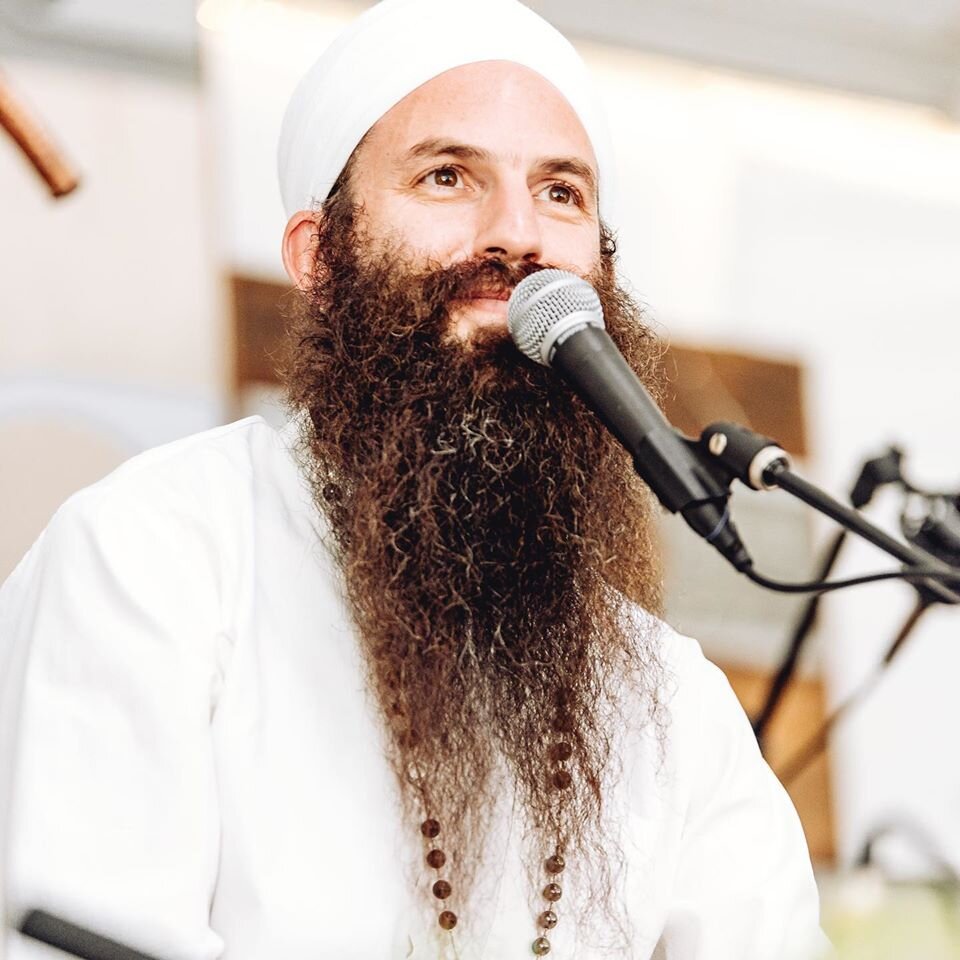
Yoga is not a system of body postures but a practice of unifying all aspects of human consciousness—body, mind, breath, emotions, and identity. The Sanskrit root yuj means "to unite or bring together," and when these multiple parts work in harmony and synchronization, real health, peace, and creativity emerge. This unification can happen through many paths: physical asanas, breathwork, meditation, focused attention on any activity, or even watching a sunset with full presence. Genuine yoga benefits arise when a person gains control over reactive emotional patterns and internal chemistry, transforming life from a series of reactions to external circumstances into a coherent, joyful experience.
Modern culture typically understands yoga as a system of physical postures and flexibility training. Yet the term carries a much deeper meaning rooted in its Sanskrit etymology. The word yoga derives from the root yuj, which means "to unite or bring together" (0:17–0:20). This linguistic foundation points to yoga's core purpose: integrating the multiple dimensions of human existence into a coordinated, harmonious whole.
A person is not simply a body. Identity encompasses a thinking mind, emotional capacities, relationships, memories, and a sense of self built across time. When these various components—physical, mental, emotional, relational—function in unity and synchronization, something fundamental shifts. As the teacher explains, "when I can help to make it work in harmony work in sync that brings great relief great peace and great creativity in my life" (0:40–0:51). This is the essence of yoga: bringing all parts of oneself into alignment so they operate as an integrated system rather than as fragmented, competing forces.
The teacher uses the metaphor of gears to illustrate why integration matters. Just as a mechanical assembly where one gear jams will throw off the entire machine, the human being—made of "multiple smaller pieces"—suffers when any component falls out of alignment (0:51–0:76). This is not abstract philosophy; it describes observable, lived experience:
- Body alone is not enough: The physical form can be perfectly healthy, yet if the breath becomes erratic, illness results (0:70–0:76).
- Breath and body can both be fine: Yet if the mind is disturbed or unsettled, "that creates uneasiness that doesn't give us a sense of health" (0:76–0:84).
- Real health requires harmony: "When all aspects of who we are are united are in harmony that creates real health and this is Yoga" (0:86–0:95).
This understanding reframes health itself. Modern medicine may declare a person physically well, but if the nervous system is dysregulated, emotions are reactive, or the mind churns with anxiety, something essential is broken. Yoga addresses this gap by treating the human being as an integrated whole.
One widespread misconception is that yoga requires physical flexibility or gymnastic ability. The teacher directly challenges this: "yoga is not just for the gymnast it's not only if you have a flexible body that you can really do yoga" (0:151–0:158). Instead, yoga can be achieved through many doorways:
Through postures and breath: The conventional approach—asanas and pranayama—works by "doing some postures just by breathing in a certain way putting the attention on certain parts of the body we're able to actually make yoga happen" (0:98–0:111). These practices anchor the mind and regulate the nervous system, creating the conditions for integration.
Through natural moments of absorption: Yoga also happens without formal practice. "When we have sat and watched a sunset at that time our mind has been there the body has been there the breath has been moving in a certain rhythm" (0:114–0:126). In such moments of aesthetic or natural beauty, the fragmented self temporarily unifies.
Through focused work and attention: "Sometimes when we get so focused and concentrated in what we are doing we so active we so one-pointed with our work yoga has happened" (0:129–0:138). Yoga occurs in any state of genuine absorption, where the entire being is engaged in a single activity without internal conflict or distraction.
Through receptive listening: "When we listening to something and we are so attentive and we're interested and our whole Consciousness comes together yoga has happened" (0:138–0:146). Any practice that brings full presence and unified attention triggers the yoga state.
This multiplicity of paths means yoga is accessible to everyone, regardless of physical capacity, age, or circumstance. The principle remains constant: bring the scattered parts of consciousness into alignment.
One of the most compelling benefits the teacher describes is emotional freedom. Most people experience a troubling pattern: life seems to unfold according to the "whims and fancies of others" (0:184–0:186). A comment triggers immediate anger; a look provokes sadness. The person feels like "a prisoner of my own environment whatever the environment throws at me I start reacting to it" (0:198–0:207).
This reactive loop represents a fundamental lack of integration. The mind, emotions, and will are not aligned; they respond automatically to external stimuli rather than from a centered, conscious place. Yoga disrupts this pattern by harmonizing internal chemistry—not merely the physical biochemistry but "the mental and the emotional all aspects of who we are" (0:215–0:221).
When these layers cohere, a person gains genuine control over how they respond. Rather than being buffeted by circumstance, they develop an inner steadiness that allows choice. This is not suppression or forced emotional control but a natural result of integration: when body, breath, mind, and emotions function as a unified system, reactivity gives way to conscious response.
The benefits of yoga are not mystical but practical and observable. When "everything is in harmony the whole machine works better" (0:160–0:163). The teacher points to a concrete shift: "life becomes a joy life becomes a celebration" (0:165–0:168). This is not spiritual platitude but a description of what happens when the internal experience stabilizes.
Without integration, daily life oscillates between reactivity, stress, and fragmentation. Energy dissipates in internal conflict. With yoga—with the unified state—that energy consolidates. A person is no longer divided against themselves, struggling against their own patterns. Instead, all faculties align toward a coherent purpose, and this alignment produces ease, creativity, and a sense that life is unfolding as intended rather than as a series of battles against one's own nature.
The teacher emphasizes that "the way to do that is not just through the body but it can be through the breath it can be through the mind it can be through so many various practices" (0:227–0:237). This is crucial because it means that someone injured, aging, or physically limited is not excluded from yoga. The integration can be approached through:
- Breathwork and pranayama
- Meditation and mental discipline
- Mindfulness applied to any activity
- Contemplative or devotional practices
- Any sustained attention that brings the whole being into focus
The specifics of the method matter less than the principle: whatever creates unified presence, whatever brings scattered attention back into coherence, whatever makes the various parts of self work together rather than against each other—that is yoga.
This teaching invites a reframing of yoga from an exercise system into a comprehensive approach to wholeness. The logical next steps might include: exploring whether your current yoga or meditation practice emphasizes this integration; noticing moments in daily life when you experience natural yoga states (absorption, presence, harmony); investigating breathwork and pranayama practices that directly regulate the nervous system; and considering how meditation or mindfulness might address the reactive patterns that fragment your experience. The goal is not perfect flexibility or impressive postures but a simple, profound shift: all of who you are functioning in sync, creating health, peace, and freedom.


